Why Wedding Photographers Don't Give Raw Photos
 Mar, 1 2026
Wedding Photo Editing Time Estimator
How Long Does Editing Really Take?
Based on professional standards, wedding photographers spend approximately 15 minutes per image to create high-quality edited photos that capture your emotions and memories.
Estimated Editing Time
For photos:
hours
(or total minutes)
Note: This includes color correction, skin retouching, composition adjustments, and professional finishing that transforms raw moments into cherished memories.
Ever watched your wedding video and felt that one moment-the first kiss, your dad tearing up, the way the light hit your dress-was just perfect? Now imagine that exact frame, untouched, in a folder full of 800 other blurry, overexposed, or awkward shots. That’s what raw photos are. And if you’ve asked your photographer for them, you’ve probably been told no. It’s not about holding back. It’s about delivering what you actually paid for: wedding photography, not raw data.
Raw Files Aren’t Photos-They’re Digital Negatives
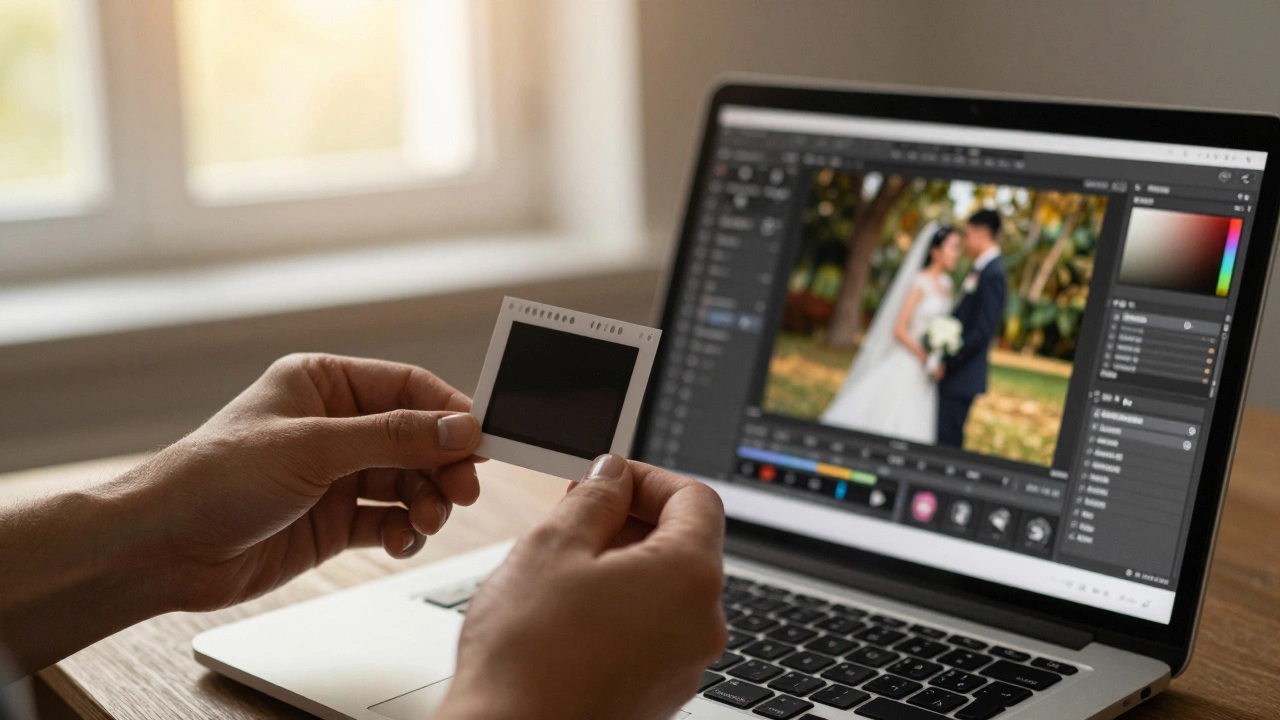
Think of a raw file like a film negative. It’s not meant to be viewed. It’s a digital snapshot of the sensor’s data-no color correction, no contrast, no sharpening. Your camera records this because it captures the most detail possible. But that detail doesn’t look like a photo. It looks flat, dull, and sometimes weirdly green or blue. Without editing, it’s not ready for your album, your wall, or your Instagram.
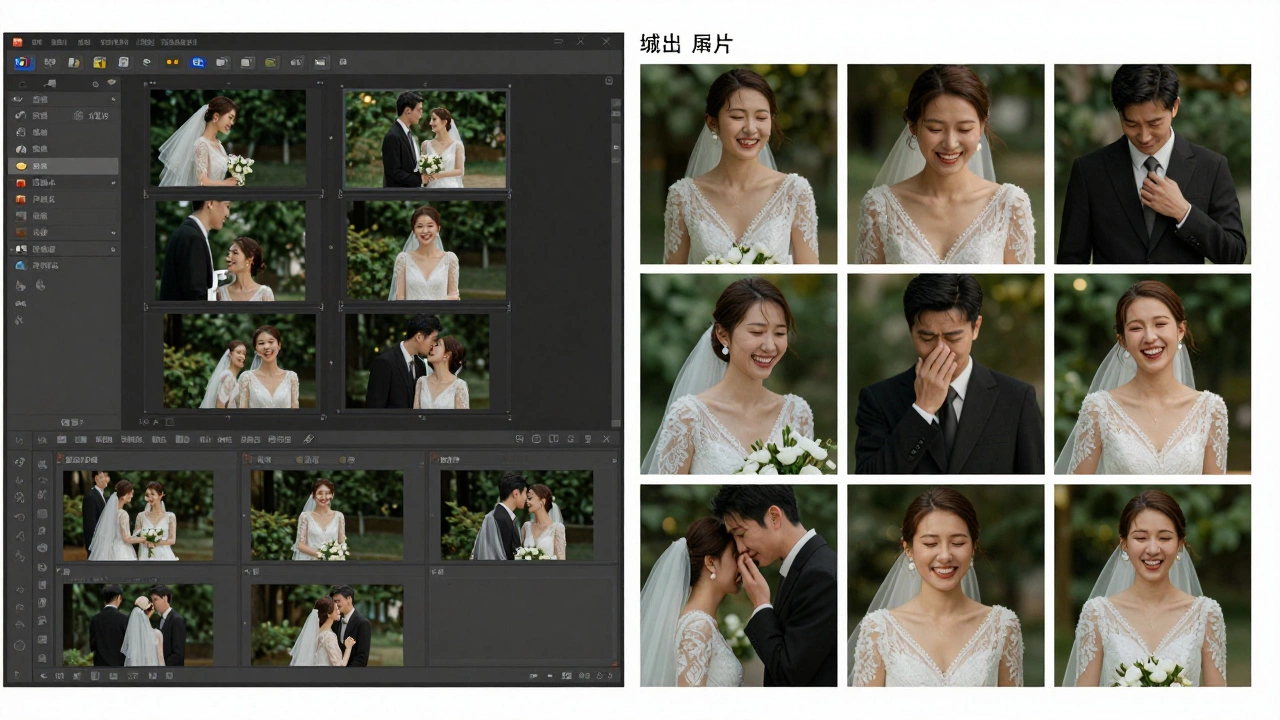
When you hire a wedding photographer, you’re not just paying for the number of shots they take. You’re paying for their eye, their timing, and their skill to turn those raw moments into images that feel like your story. A raw file from your ceremony might have 12 people in the frame, three of them blinking. The photographer picks the one where everyone’s eyes are open, the lighting is soft, and your smile looks real. That’s the art.
Why Editing Is Non-Negotiable
Wedding photography isn’t just about capturing moments-it’s about preserving emotion. That’s why every image you get is edited. Not just cropped. Not just brightened. Edited. Color grading to match the mood of the venue. Skin tones softened so you look like yourself, not a ghost. Backgrounds cleaned up so the focus stays on you. Shadows deepened to add drama. Highlights pulled back so your dress doesn’t turn into a white blob.
One photographer in Melbourne told me about a couple who insisted on raw files after their wedding. They downloaded 700 raw files, opened them in Lightroom, and spent 12 hours trying to fix them. They gave up. The next day, they asked for the edited version anyway. Why? Because editing isn’t optional-it’s the difference between a snapshot and a keepsake.
Professional Standards and Contracts
Most professional wedding photographers include delivery of edited, high-resolution images as part of their standard package. That’s the promise. The contract. The value. Giving out raw files breaks that promise. It’s like hiring a chef to cook you a five-course meal, then asking for the raw ingredients so you can reassemble them yourself.
Photographers also protect their brand. Raw files often include unflattering shots, test frames, or outtakes. If those get shared online, they can damage a photographer’s reputation. Imagine someone posting a blurry, poorly lit image from your wedding and tagging the photographer: "Look at this mess." That’s not fair to them. And it’s not what you want either.
It’s About Time, Not Control
Some photographers say they don’t give raw files because they "own the copyright." That’s misleading. In Australia, you own the rights to your wedding photos. The photographer holds the copyright to the *images* they created-but you still get full usage rights to print, share, and post them. So the real reason isn’t legal control. It’s workflow.
Editing a full wedding takes 20 to 40 hours. That’s not busywork. It’s craftsmanship. A photographer might spend 15 minutes just on one image-adjusting the light on your veil, removing a distracting trash can, matching the color of your bouquet to your dress. If they handed over raw files, they’d be handing over hours of labor they’ve already paid for. And you’d be expected to do the rest.
What You Actually Get Instead
You don’t get raw files. But you do get something better:
- High-resolution edited JPEGs-ready to print, share, or frame
- Web-ready versions-optimized for social media
- Album design-curated sequences that tell your story
- Online gallery-secure, private, easy to download
- Print rights-you can order prints anywhere, anytime
Many photographers even include a second shooter, so you get more angles, more candid moments, and more coverage. All edited. All delivered. No work required on your end.
When You *Can* Get Raw Files (And When You Shouldn’t)
Some photographers do offer raw files-for a fee. Usually $300-$800 extra. Why? Because it’s not just about the files. It’s about the liability. If you mess up the editing, blame them. If you post a bad version online, they get tagged. If you print on a cheap printer and it looks muddy, they’re the one who "failed."
There’s one real reason to ask for raw files: you’re a photographer yourself. Or you’re working with a professional editor. Even then, most pros still prefer the edited version. Why? Because the photographer’s style is part of the memory. You didn’t just hire someone to press a button. You hired someone to see your day the way you’ll remember it.
What to Do If You Really Want Raw Files
If you’re set on having them:
- Ask early-before signing the contract
- Be prepared to pay extra
- Get it in writing-specify exactly which files you’ll receive
- Understand you’ll need editing software (Lightroom, Capture One, etc.)
- Accept that you’re taking on the work they were hired to do
Most couples who ask for raw files end up regretting it. They don’t have the time. They don’t have the skill. They just want the beautiful photos they were promised.
The Real Value: Your Memories, Handled With Care
Your wedding day is one of the most emotional days of your life. You don’t want to spend your honeymoon sorting through 1,200 raw files. You want to look at the images that made you cry, laugh, and feel like yourself. That’s what your photographer delivers. Not a folder. Not a backup. A collection of moments, shaped by skill, care, and experience.
They don’t withhold raw files to be difficult. They withhold them because they care enough to make sure you get the best version of your story. And that’s worth more than a file.
Do wedding photographers own the copyright to my photos?
In Australia, the photographer holds the copyright to the images they create, but you’re granted full usage rights. That means you can print, share, and post them anywhere. You don’t need permission to use them for personal reasons. The photographer can’t stop you from printing your wedding album or posting on Instagram. What they protect is the right to control how their work is presented-like preventing unedited or poorly edited versions from being shared as their own.
Can I edit the photos myself if I get the raw files?
Technically, yes. But raw files require professional software like Adobe Lightroom or Capture One, and editing them well takes time and skill. Most people don’t realize how much work goes into color correction, exposure balancing, and skin retouching. Even experienced photographers often prefer the final edited version because it reflects the original artist’s vision. If you edit them yourself, you risk losing the emotional tone the photographer carefully crafted.
Is it normal to get 500+ edited photos from a wedding?
Yes. A full-day wedding typically results in 500 to 800 edited images. That’s about 50-100 images per hour of coverage. It includes ceremony moments, portraits, reception dances, candid laughs, and details like your rings or cake. The number isn’t about quantity-it’s about capturing every meaningful moment without repetition. A good photographer will remove duplicates, blurry shots, and awkward frames, leaving you with only the best.
Why don’t photographers give unedited versions even if I pay extra?
Most avoid it because unedited photos often include mistakes-blinking eyes, bad lighting, cluttered backgrounds, or awkward poses. These aren’t just flaws; they can damage the photographer’s reputation if shared publicly. Even if you pay extra, many photographers refuse to deliver unedited files because they stand by the quality of their final work. It’s a professional boundary, not a money grab.
What’s the difference between raw files and high-res JPEGs?
Raw files are unprocessed data from your camera’s sensor-they’re large, not viewable without editing software, and lack color or contrast adjustments. High-res JPEGs are fully edited, optimized for printing and sharing, and ready to use. The JPEG you receive is the final product, like a printed photograph. The raw file is like a negative-it’s the starting point, not the end goal.