Why Do They Put Ribbons on Wedding Cars? History, Meaning & Modern Trends
 Aug, 10 2026
Wedding Car Decoration Evolution Timeline
Explore how wedding car decorations have evolved over centuries, from ancient fertility symbols to modern eco-conscious choices.
The Chariot Era
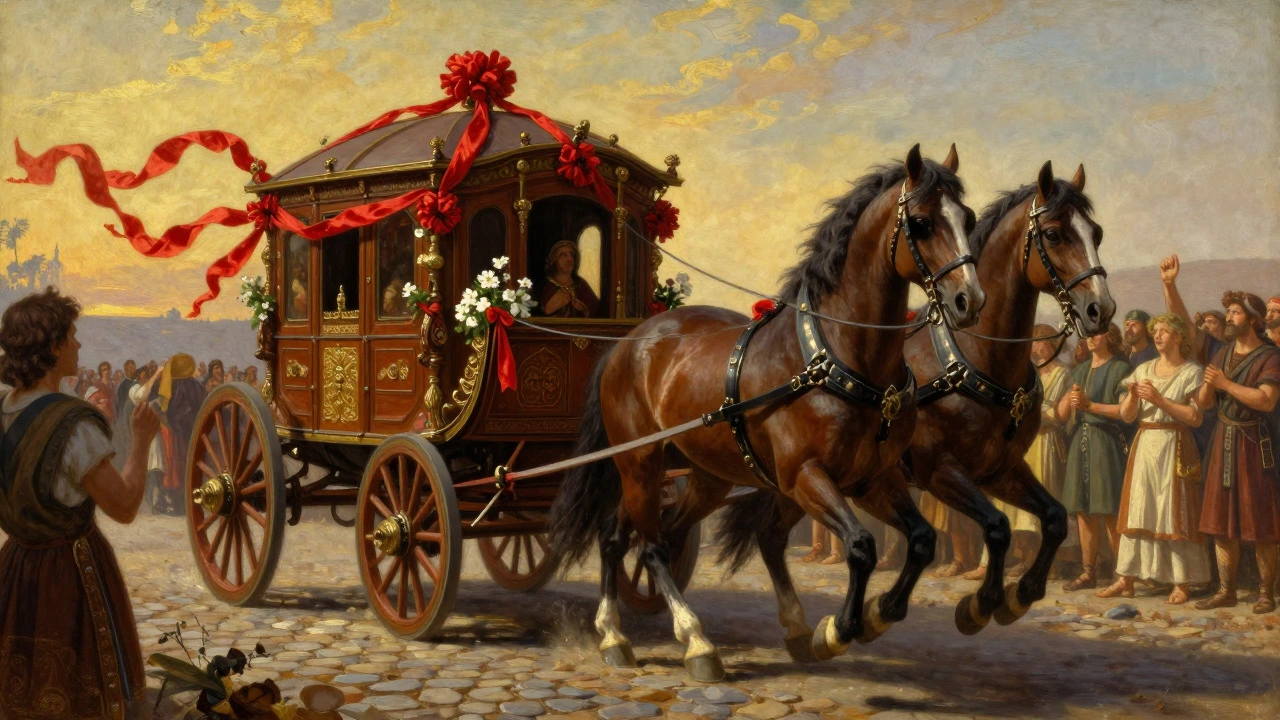
Brides were taken to their new homes in decorated chariots as a public declaration of union.
Horse-Drawn Carriages
Ribbons tied to reins or carriage sides signaled family wealth and celebrated the occasion.
Open-Top Automobiles
As cars replaced horses, decorations adapted to fenders and steering wheels of open vehicles.
The White Wedding Standard
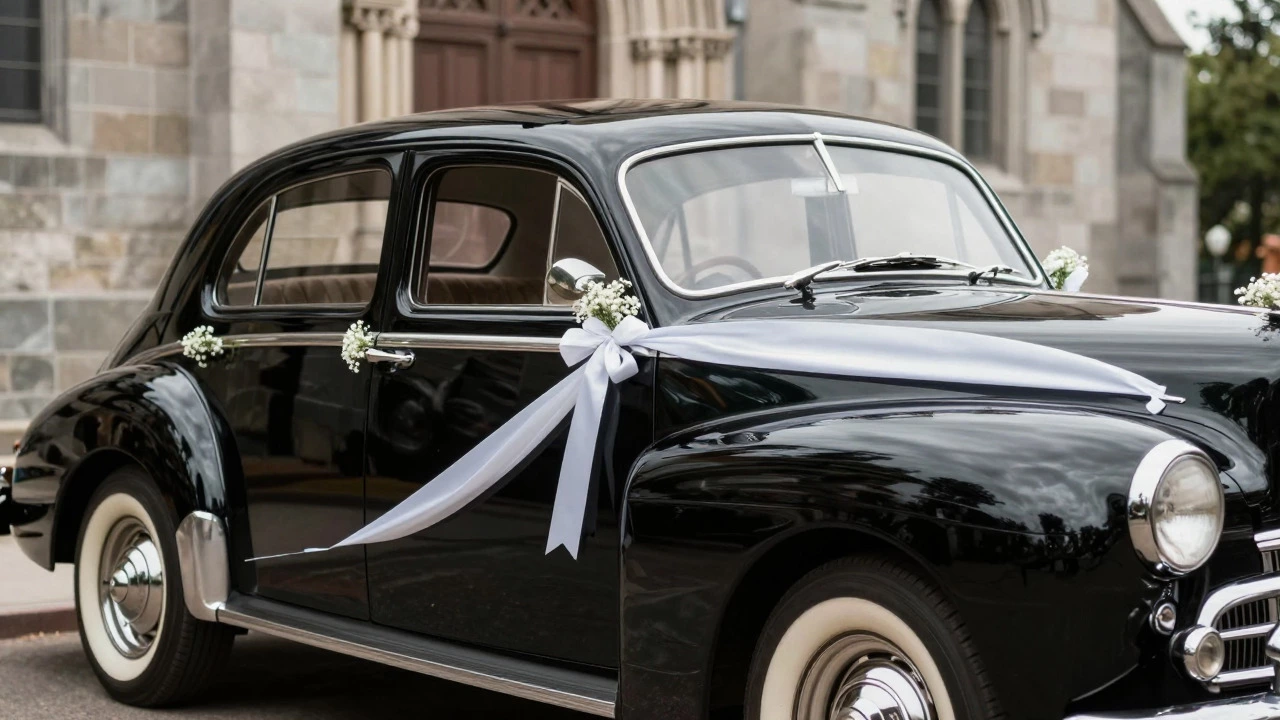
Hollywood stars popularized white satin ribbons on dark luxury sedans for high contrast elegance.
Personalization & Sustainability
Couples choose minimalist, eco-friendly options with magnetic mounts to protect modern vehicles.
You’ve seen it a thousand times. A sleek black sedan or a vintage convertible pulls up to the church, adorned with white satin ribbons and perhaps a few sprigs of baby’s breath. It looks classic, romantic, and undeniably ceremonial. But have you ever stopped to wonder why we do this? Why not just drive in a clean car? The answer isn’t just about aesthetics; it’s a deep dive into superstition, status symbols, and the evolution of how we celebrate marriage.
The Ancient Roots: Chariots and Horses
To understand the ribbon, you have to look back before cars existed. In ancient Rome, the bride was taken to her new home in a chariot. This wasn’t just transportation; it was a public declaration of the union. The chariots were decorated with flowers and ribbons to signify joy and fertility. More importantly, these decorations served as a beacon. In an era without GPS or street signs, brightly colored ribbons helped guests find the procession and follow the couple to their new life together.
Fast forward to the Victorian era, when horse-drawn carriages became the norm for weddings. The tradition of tying ribbons to the reins or the side of the carriage continued. These weren’t just any ribbons; they were often made of expensive silk or velvet, signaling the family’s wealth. If you couldn’t afford gold trim, you used bright colors. The ribbon was a way to say, “Look at us, we are celebrating.” It turned a mode of transport into a mobile stage for the event.
Superstition and Protection
Beyond showing off, there was a darker, more practical reason for the decorations. Superstition played a huge role in wedding traditions. Many cultures believed that evil spirits lurked around newlyweds, eager to steal their luck or cause mischief during the vulnerable transition from single to married life. Bright colors and shiny objects were thought to ward off these bad vibes.
In some European traditions, ribbons were tied to the carriage so that guests could pull them as the couple drove away. Each pulled ribbon represented a wish for good luck or a barrier against evil eyes. While we don’t usually see people ripping ribbons off cars today, the symbolic protection remains embedded in the custom. The ribbon acts as a talisman, ensuring the journey ahead is smooth and free from misfortune.
The Shift to Automobiles
When automobiles replaced horses in the early 20th century, the tradition didn’t die; it adapted. Early cars were open-top, resembling carriages, so attaching ribbons to the fenders or steering wheel was easy. As cars became enclosed and more streamlined, the placement of decorations changed. You started seeing ribbons tied to door handles, mirrors, and later, the bumpers.
During the mid-1900s, the "white wedding" aesthetic popularized by Hollywood stars like Grace Kelly cemented the use of white satin. White symbolized purity, but practically, it also contrasted sharply with the dark paint of most luxury sedans. This high-contrast look became the standard. If you’re looking at photos from the 1950s or 60s, you’ll notice the ribbons were often long and flowing, designed to catch the wind and create a dramatic visual effect as the car sped down the aisle.
| Era | Vehicle Type | Decoration Style | Purpose |
|---|---|---|---|
| Ancient Rome | Chariot | Flowers, Colored Cloth | Visibility, Fertility |
| Victorian Era | Horse Carriage | Silk Ribbons, Velvet | Status, Luck |
| Early 1900s | Open-Top Cars | Streamers, Bunting | Celebration, Tradition |
| Mid-20th Century | Sedans/Convertibles | White Satin, Baby’s Breath | Aesthetics, Purity Symbolism |
| Modern Day (2020s) | Luxury EVs/SUVs | Minimalist Greenery, LED Lights | Personalization, Eco-Consciousness |
Modern Meanings and Personalization
Today, the meaning behind the ribbons has shifted again. For many couples, especially those planning weddings in cities like Melbourne or Sydney, the traditional white satin bow feels a bit dated. There’s a growing trend toward personalization. Instead of generic store-bought bows, couples are using ribbons that match their wedding theme. If your palette is navy and gold, you might see navy blue grosgrain ribbons tied neatly around the mirror caps.
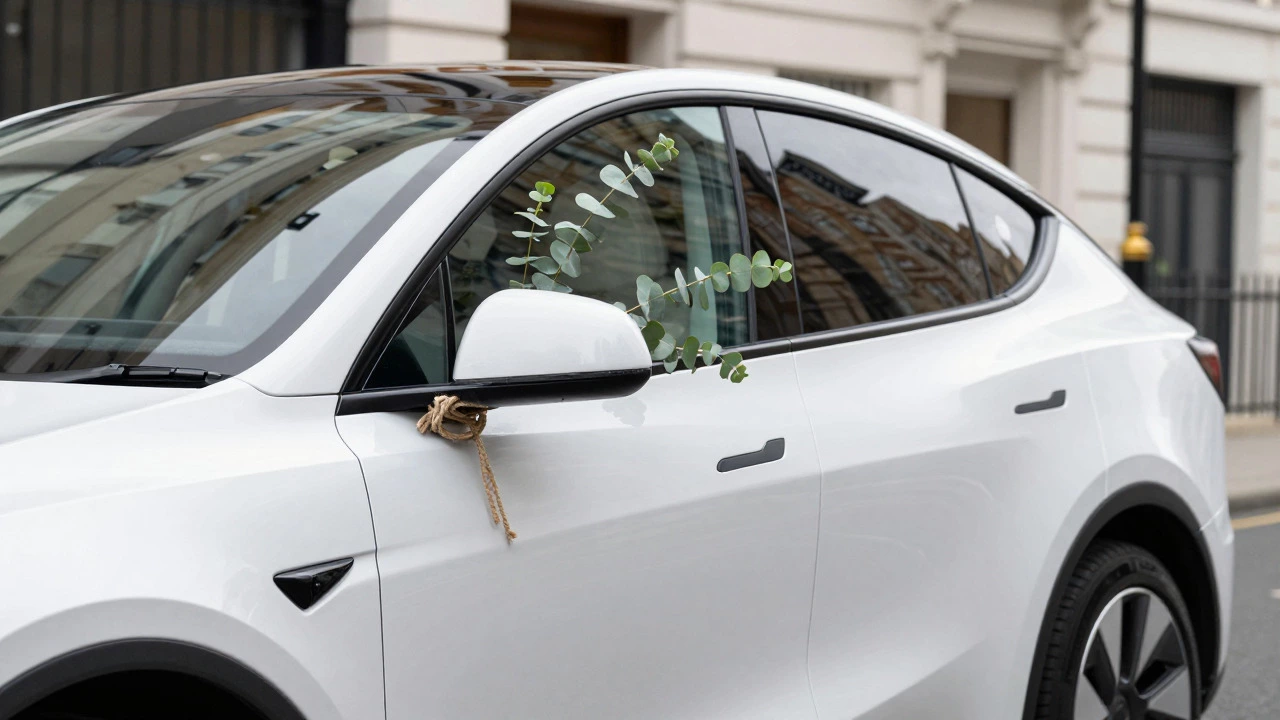
Another significant shift is the move away from excessive plastic and synthetic materials. With environmental concerns rising, many florists and car decorators are opting for biodegradable ribbons or fresh greenery. Eucalyptus branches tied with jute string have become a popular alternative to satin. This reflects a broader change in wedding culture: less about rigid tradition, more about authentic expression and sustainability.
Also, consider the logistics. Modern cars are built with sensors, cameras, and delicate paint jobs. Slapping a giant, sticky bow on the hood can trigger alarm systems or leave residue. Professional wedding car services now use magnetic mounts or non-adhesive clips to attach decorations. This ensures the car looks festive without risking damage to a vehicle that might cost as much as a small house.
Practical Tips for Decorating Your Wedding Car
If you’re planning to decorate your own wedding car, whether it’s a family SUV or a hired vintage Mustang, keep these points in mind:
- Check with the Driver: If you’re hiring a professional chauffeur, ask if they have restrictions. Some companies have strict rules about what can be attached to their vehicles due to insurance or maintenance policies.
- Less is More: Over-decoration can look cluttered. A single elegant bow on each door handle or a small floral arrangement on the trunk is often more striking than covering the entire car in streamers.
- Secure Everything: Wind can be unpredictable. Use strong ties or magnets. Nothing ruins a photo session faster than a ribbon flying off into traffic.
- Consider Visibility: Ensure decorations don’t block the driver’s view or obscure license plates. Traffic laws still apply on your wedding day!
- Match the Vibe: If you’re having a beach wedding, light linen ribbons work better than heavy velvet. Think about the texture and color harmony with your attire.
The Psychological Impact
Why does this small detail matter so much? Psychologically, the decorated car marks the transition. It separates the "before" from the "after." When you step out of a car adorned with ribbons, you are stepping into your new identity as a spouse. It creates a moment of pause and recognition for everyone involved. Guests smile, cameras click, and the atmosphere shifts from preparation to celebration.
It also serves as a focal point. In a sea of guests and vendors, the decorated car stands out. It guides attention to the couple. Even if you skip the ribbons, having *some* form of marking-like a "Just Married" sign or a unique flower choice-fulfills this need for visual distinction.
Alternatives to Traditional Ribbons
Not every couple wants the classic look. That’s perfectly fine. Here are some modern alternatives that carry the same spirit of celebration without the traditional baggage:
- LED Light Strips: For evening weddings, subtle LED lights wrapped around the wheels or undercarriage can create a magical glow.
- Monogram Magnets: Custom magnets with your initials add a personalized touch without adhesive risks.
- Balloon Arches: Attached securely to the roof rack (if safe) or held by attendants, balloons can frame the car entrance.
- No Decoration: Embrace minimalism. A pristine, polished car speaks volumes about elegance and simplicity. Sometimes, the best decoration is confidence.
The bottom line is that the ribbons on wedding cars are more than just pretty accessories. They are a link to centuries of tradition, a shield against bad luck, and a canvas for modern creativity. Whether you choose a massive white bow or a simple sprig of rosemary, the act of decorating your ride is about making your departure memorable. So, tie that knot, and let your car reflect who you are.
Do you put ribbons on the wedding car before or after the ceremony?
Traditionally, ribbons are placed on the car before the ceremony begins, so the vehicle is ready for the grand exit. However, some couples prefer to decorate the car immediately after the ceremony, right before leaving the venue. This depends on your timeline and whether the car is parked at the ceremony site or picked up elsewhere.
Is it bad luck to take the ribbons off too soon?
There is no strict rule about removing ribbons, but traditionally, they stay on until the couple reaches their honeymoon destination or the reception venue. Some superstitious brides save the ribbons as keepsakes, believing they hold good luck for the marriage.
Can I use my own ribbons instead of buying pre-made ones?
Absolutely! Many couples buy bulk satin or lace ribbon and tie their own bows. This allows for perfect color matching and can be a fun DIY activity with friends before the wedding. Just ensure the knots are secure and the length is appropriate for the car model.
What is the most common color for wedding car ribbons?
White is the most traditional and common color, symbolizing purity and elegance. However, ivory, champagne, and pastel shades are also popular. Recently, bold colors like navy blue, burgundy, or even black have gained traction for modern, non-traditional weddings.
Do electric cars require special care for decorations?
Yes, electric vehicles often have sensitive sensors and cameras integrated into the body panels. Avoid placing adhesives near camera lenses or sensor areas. Magnetic attachments are generally safer for EVs, but always check with the manufacturer or rental company first to avoid voiding warranties or triggering alarms.