Who Gets the Groom's Ring? A Clear Guide to Wedding Band Etiquette
 Jul, 20 2026
Wedding Ring Custodian Planner
Step 1: Who will be the primary ring bearer?
Select the person or method responsible for carrying the rings to the altar.
Best Man
The classic choice with historical responsibilityMaid of Honor
Shared responsibility approachGroom Keeps Them
No reliance on othersChild or Pet
Adorable but requires extra precautionsStep 2: Assess Your Setup
Answer these questions to evaluate your ring security level.
Your Ring Security Report
Overall Risk Level
Recommended Backup Plan
Personalized Tips
It’s a classic wedding day panic: you’re standing at the altar, the officiant asks for the rings, and suddenly no one knows who is supposed to have them. Did the best man forget them in his pocket? Is the maid of honor holding onto them? Or did you, the groom, leave them on the bathroom sink back home?
The question "who gets the ring for the groom" isn't just about logistics; it’s about tradition, responsibility, and keeping your big moment smooth. While there are no hard laws written in stone, there are strong cultural norms that guide this process. Understanding these roles helps prevent that split-second awkwardness when the priest or celebrant reaches out an empty hand.
The Traditional Role of the Best Man
In most Western weddings, particularly those following British or American traditions, the best man is the primary custodian of the rings. This role comes with specific expectations beyond just giving a toast. The best man is responsible for ensuring the rings are safe from the morning of the wedding until they are placed on the couple’s fingers.
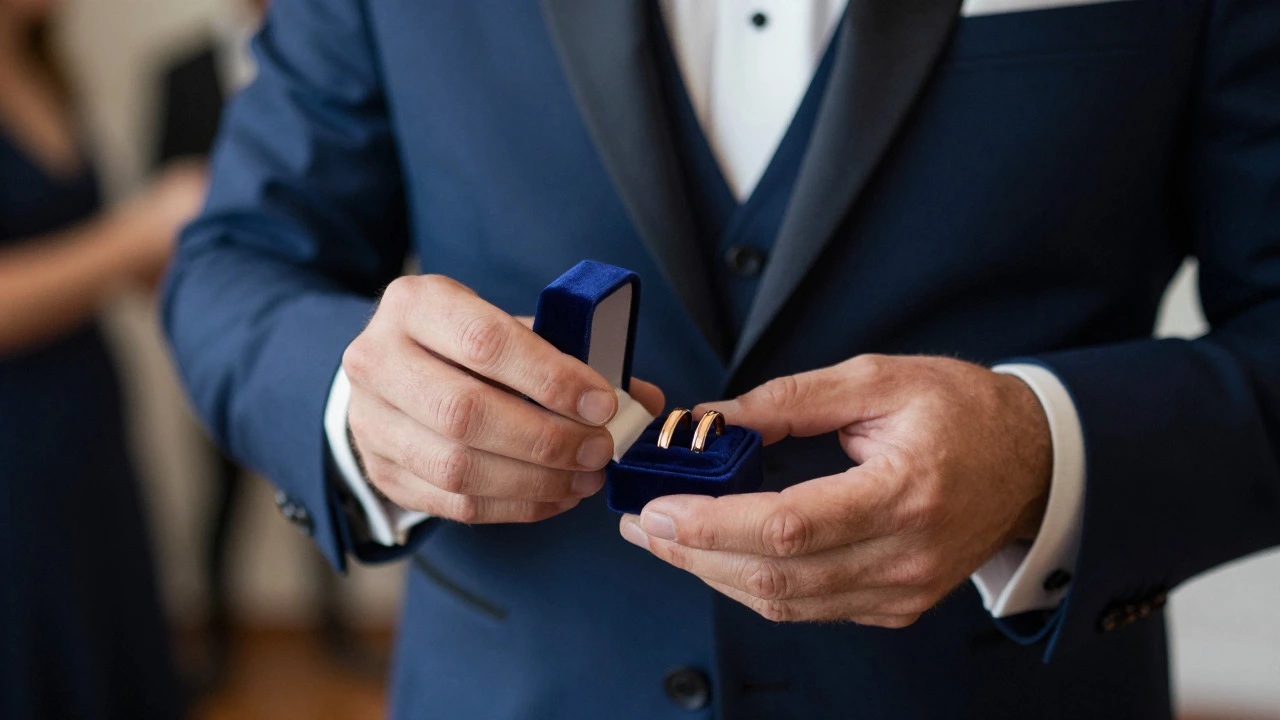
Why the best man? Historically, the best man was chosen to protect the groom during the ceremony (yes, elopements were sometimes violent affairs). Today, that protection translates into logistical support. He carries the rings, often in a dedicated box or pouch, to ensure they aren’t lost in a jacket pocket alongside keys and mints.
- Pre-Ceremony Check: The best man should verify the rings are present before getting dressed.
- Transport: He keeps them on his person while traveling to the venue.
- The Handover: At the altar, he hands the rings to the officiant or directly to the groom, depending on the ceremony script.
If your best man is notoriously forgetful, consider having a backup plan. Some couples ask the maid of honor to carry a spare set or simply keep the rings in the bride’s clutch as a safety net.
When the Maid of Honor Steps In
While the best man is the traditional bearer, modern weddings often share this duty. The maid of honor may carry the rings, especially if the couple prefers gender-neutral distribution of tasks or if the best man has other critical duties, like managing the timeline or handling vendor payments.
In some scenarios, both the best man and maid of honor carry the rings together. They might hold them separately-one has the groom’s ring, the other has the bride’s-or they both hold the same box for redundancy. This approach minimizes risk. If one person drops the box or misplaces it, the other still has the insurance policy for your marriage.
This shared responsibility also reflects the collaborative nature of modern weddings. It’s not just about male or female roles; it’s about who is most reliable and organized on the day.
The Officiant’s Role in the Ring Exchange
Once the rings arrive at the altar, the officiant (whether a priest, rabbi, judge, or secular celebrant) usually takes custody of them. During the vows, the officiant holds the rings up for the congregation to see, symbolizing their sanctity. Then, they hand the appropriate ring to the groom so he can place it on the bride’s finger, and vice versa.
However, some couples prefer a more intimate exchange where the officiant doesn’t handle the rings at all. In this case, the best man or maid of honor passes the rings directly to the groom and bride right before the exchange. Discuss this preference with your officiant during the rehearsal. It saves confusion and ensures everyone knows exactly when to reach into their pockets.

Alternative Options: Pets, Children, and Decor
Tradition is evolving, and many couples are choosing creative alternatives to the standard best-man-handoff. Here are some popular modern approaches:
| Option | Pros | Cons |
|---|---|---|
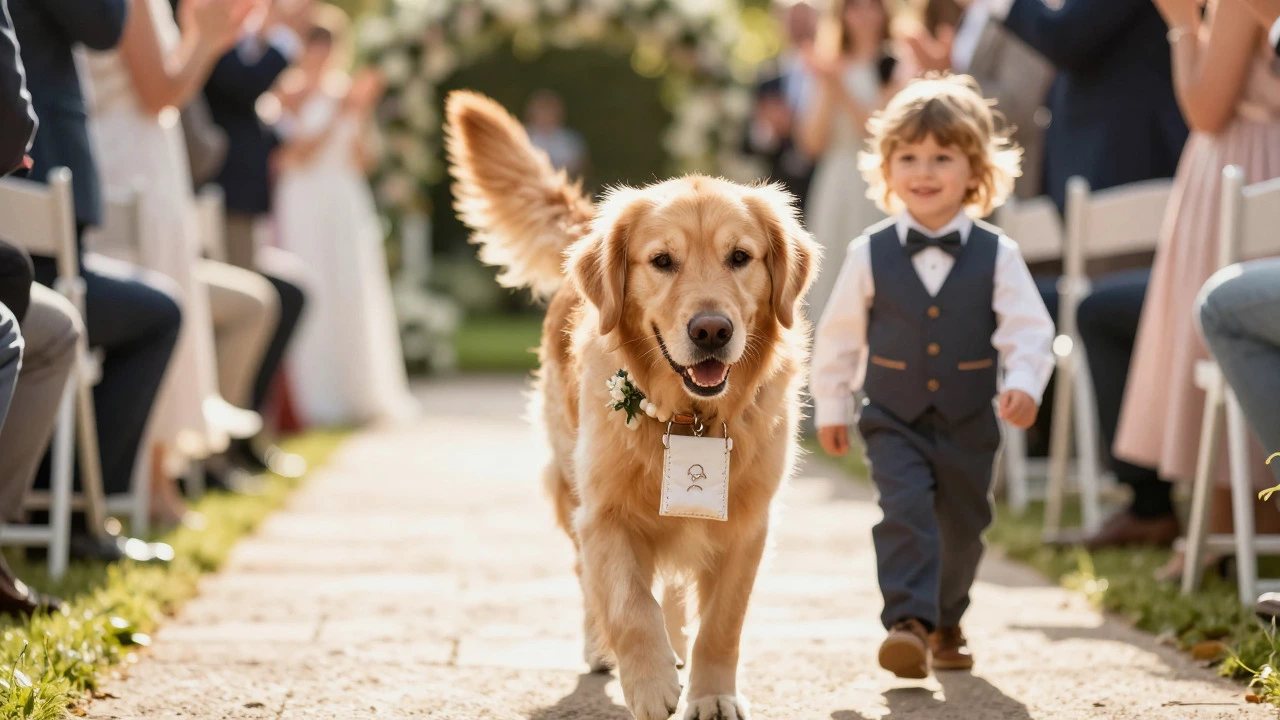
| Pet Dog | Cute photos, personal touch | Dogs can be unpredictable; need a leash handler |
| Young Child | Adorable, involves family | High risk of dropping or losing rings |
| Ring Pillow/Box | Elegant, traditional look | Must be held by someone reliable |
| Groom Keeps Them | No reliance on others | Risk of forgetting before ceremony |
If you choose a pet, attach the rings securely to a collar or harness. Never rely on a dog’s memory. For young children, use fake rings for the walk down the aisle and have an adult swap them for the real ones at the altar. These tricks preserve the charm without the stress.
What If No One Has the Rings?
Let’s face it: things go wrong. Maybe the best man left the rings in the hotel room. Maybe the taxi driver took the bag with the rings. If this happens, stay calm. Most ceremonies can proceed without the physical rings. You can do a symbolic exchange using placeholders (like bracelets or even nothing at all) and have a private ring exchange later once the originals are found.
To avoid this nightmare, follow these pro tips:
- Rehearse the Handoff: Practice passing the rings during the wedding rehearsal. It sounds silly, but muscle memory helps.
- Use a Dedicated Box: Don’t toss rings in a pocket. Use a small, distinct box that’s easy to spot.
- Double-Check Morning Of: Have the person carrying the rings confirm they have them via text message before leaving for the venue.
- Backup Plan: Keep a second set of bands (or cheap costume jewelry) in the bride’s purse just in case.
Connecting Rings to Your Groom Suit
Your choice of groom suit can influence how you manage the rings. If you’re wearing a tuxedo with a cummerbund or vest, you have built-in secure storage. Many tuxedos come with inner breast pockets designed specifically for wallets, phones, and yes, ring boxes. Tailors often reinforce these pockets to prevent sagging.
If you’re opting for a slim-fit suit with minimal pockets, you’ll need to be more strategic. Consider a money clip or a small leather pouch that clips to your belt loop inside the trousers. This keeps the rings accessible but hidden from view. Avoid putting rings in outer jacket pockets-they shift, bulge, and are easy targets for pickpockets or accidental spills.
Additionally, coordinate with your tailor to ensure any pocket you intend to use is deep enough to hold a ring box securely. A shallow pocket increases the risk of the box slipping out when you move your arms during the ceremony.
FAQ
Who traditionally carries the wedding rings?
Traditionally, the best man carries the wedding rings. However, the maid of honor, officiant, or even a designated friend can take on this role depending on the couple's preferences.
Can the groom carry his own ring?
Yes, the groom can carry his own ring, but it’s risky. If he forgets it or loses it, the ceremony is delayed. It’s safer to have a trusted person hold it until the last moment.
What if the best man forgets the rings?
If the best man forgets the rings, remain calm. Proceed with the ceremony using placeholders or skip the physical exchange temporarily. Arrange a private ring exchange later once the rings are located.
Should I use a ring pillow?
A ring pillow is optional. It adds a traditional aesthetic but requires someone to hold it securely. Many couples now prefer small boxes or pouches for better security and easier handling.
How do I secure rings in my groom suit?
Use inner breast pockets or reinforced trouser pockets. Avoid outer jacket pockets. Consider a small leather pouch clipped to your belt for added security and easy access.