What is a Wedding Cake Maker Called? Understanding Pastry Chefs and Bakers
 Aug, 31 2026
Wedding Cake Professional Finder
Answer a few questions about your dream wedding cake to find out which type of professional is best suited for your needs.
Recommended Professional Type
Next Steps Checklist:
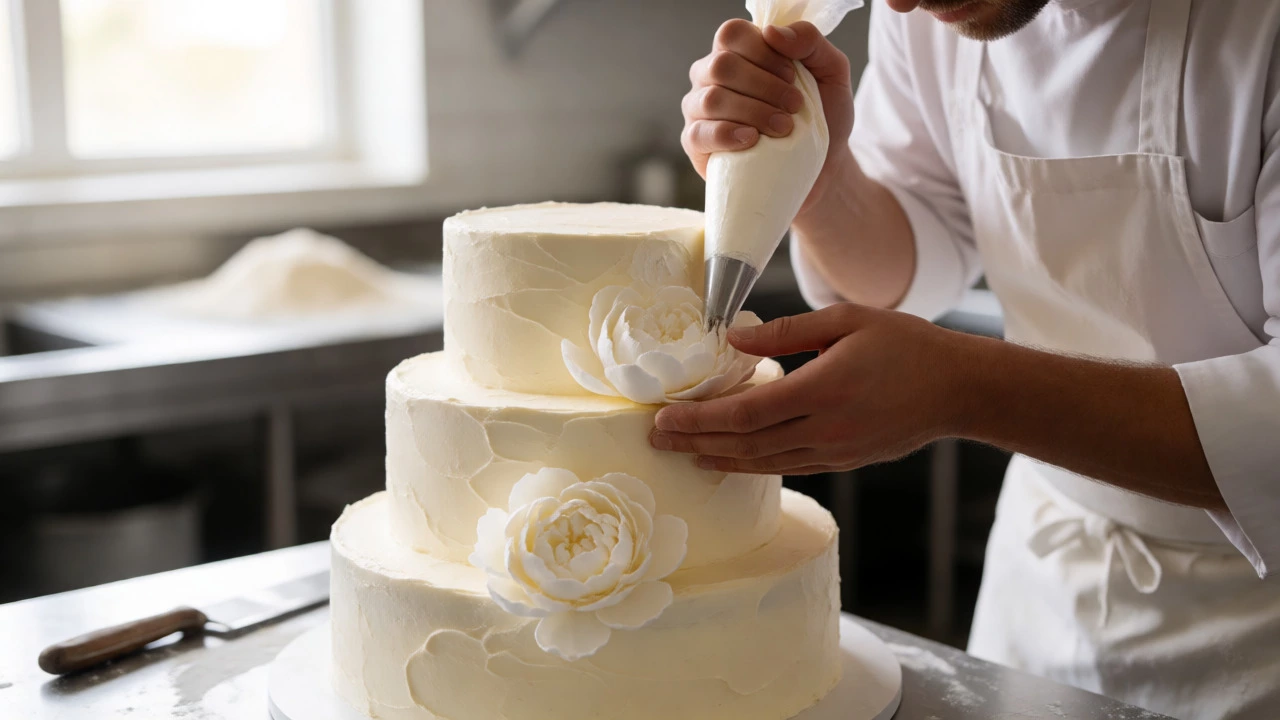
You are standing in the kitchen of your dream bakery, watching someone pipe intricate sugar flowers onto a three-tier vanilla sponge. You think to yourself, "I need to hire this person." But what do you actually call them when you send that inquiry email? Is it a wedding cake maker? A baker? A pastry chef? Getting the terminology right isn't just about being polite; it helps you find the right expert for your specific needs.
The short answer is that there is no single official title. However, the industry has distinct roles. Most people who create elaborate wedding cakes are either Pastry Chefs or specialized Cake Decorators. While a general baker might make great loaves of bread, they often lack the structural engineering skills required for a five-tier masterpiece. Knowing the difference saves you time, money, and potential stress on your big day.
The Core Distinction: Baker vs. Pastry Chef
People often use these terms interchangeably, but they represent different skill sets and training backgrounds. If you ask a professional, they will correct you immediately. Here is why the distinction matters for your wedding.
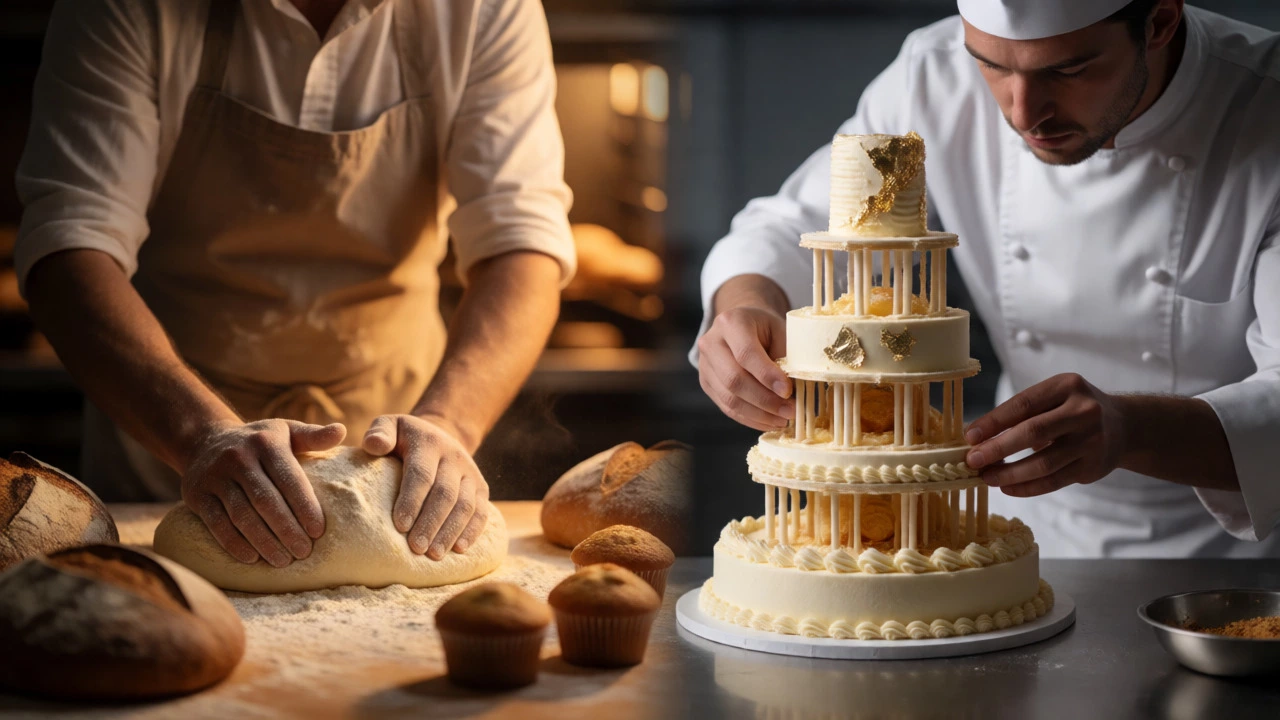
A Baker is typically trained in the art of fermentation and dough. Their expertise lies in breads, croissants, muffins, and simple cakes. They understand yeast, gluten development, and oven temperatures. While many bakers can decorate, their primary focus is usually on taste and texture rather than visual architecture.
In contrast, a Pastry Chef (or Pâtissier) undergoes rigorous culinary training. This role involves advanced techniques like tempering chocolate, making spun sugar, creating entremets, and managing complex flavor profiles. For a wedding, a pastry chef brings an understanding of how ingredients react under pressure-literally. They know which sponges hold up under fondant and which buttercreams melt at 25°C Melbourne summer heat.
There is also a third category: the Cake Artist or Cake Designer. These individuals specialize almost exclusively in decoration. They might buy pre-made sponge layers from a supplier and focus entirely on sculpting, piping, and edible art. If you want a cake shaped like a vintage car or covered in realistic sugar peonies, you need a cake artist, not necessarily a baker.
Why Terminology Matters When Hiring
Imagine searching for a "wedding cake maker" and finding ten results. Half are home-based bakers with Instagram portfolios full of cute but structurally risky designs. The other half are high-end patisseries charging premium prices. How do you choose?
Your choice of search term filters the quality and scope of service. Searching for a "pastry chef" usually leads you to professionals with formal education (like TAFE certificates in Australia or culinary degrees elsewhere). They tend to offer more sophisticated flavors and reliable logistics. Searching for a "home baker" often reveals affordable options with creative freedom but potentially less experience with large-scale delivery and setup.
Consider this scenario: You want a naked cake with fresh berries. A home baker might nail the aesthetic. But if you want a multi-tiered structure with internal supports and gold leaf detailing, a professional pastry chef is safer. They understand load-bearing physics. A cake is not just food; it is a temporary sculpture that must survive transport, assembly, and hours of ambient temperature without collapsing.
Regional Titles and Industry Standards
Language varies by region, even within English-speaking countries. In Australia, where I live, the term "pastry chef" is common in fine dining and high-end catering contexts. However, many small businesses brand themselves as "cake studios" or "boutique bakeries." This is marketing, not job description.
In the UK, you might see "Confectioner" used for those who work heavily with sugar paste and gum paste. In the US, "Cake Decorator" is a frequent job title on platforms like Yelp or The Knot. Regardless of the label, always look for evidence of specific wedding experience. Ask: "Have you delivered a four-tier cake to a venue with stairs?" The answer tells you more than the job title ever could.
It is also worth noting that some professionals hold dual titles. A "Head Baker" at a hotel might oversee all desserts, including weddings. A "Freelance Pastry Chef" might work out of a commercial kitchen rented by the hour. Don't let the title scare you off. Focus on the portfolio and the contract.
How to Find the Right Professional
Now that you know the differences, how do you find the right person? Here is a practical checklist to guide your search:
- Define Your Priorities: Do you care more about exotic flavors (Pastry Chef strength) or intricate visual design (Cake Artist strength)?
- Check Credentials: Look for certifications from bodies like the Australian Institute of Food Science and Technology (AIFST) or equivalent local guilds. This signals serious training.
- Review Logistics: Ask about delivery times, setup fees, and whether they bring their own tools. A true professional handles the entire lifecycle of the cake.
- Taste Test: Never book a wedding cake based on photos alone. Request a tasting box. A skilled baker will guide you through pairings, not just hand you slices.
One common pitfall is hiring a friend who bakes well for birthdays. Birthday cakes are small, eaten quickly, and transported in cars. Wedding cakes are heavy, fragile, and central to the event's timeline. The stress factor is exponentially higher. Ensure your chosen provider has handled events of similar scale before.
Common Misconceptions About Wedding Cakes
Many couples assume that "homemade" means cheaper and better. Sometimes it does. But homemade often lacks insurance. What if the cake arrives cracked? What if the couple gets sick from cream left out too long? Professional pastry chefs carry public liability insurance and follow strict food safety standards (HACCP in Australia). This protection is invisible but vital.
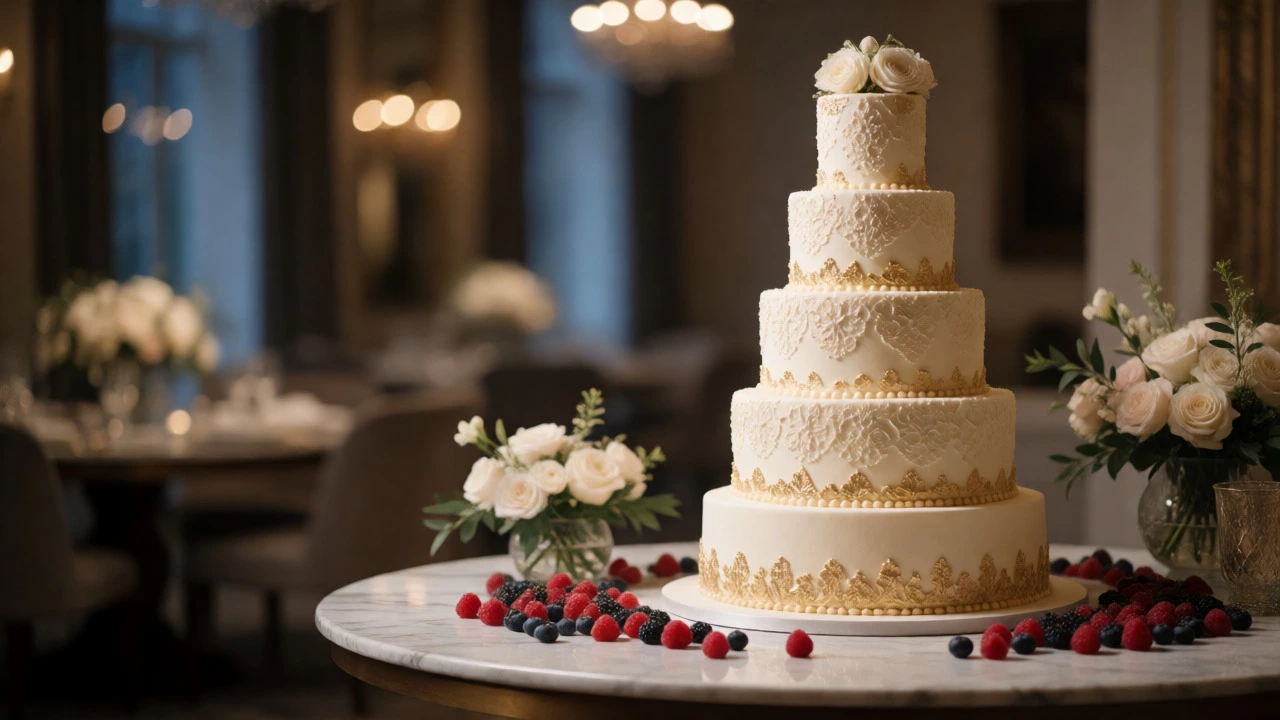
Another myth is that all white cakes are plain. A skilled decorator uses texture, embossing, and edible paints to create depth without color. Conversely, a poorly executed colorful cake can look garish. The title of the maker doesn't guarantee taste, but it often correlates with technical precision.
Finally, don't ignore the "maker" part of the equation. Some vendors are resellers. They order cakes from a factory and deliver them. Others bake everything from scratch. Ask directly: "Do you bake the sponges in-house?" Transparency here builds trust.
| Role | Primary Skill Set | Best For | Typical Cost Range |
|---|---|---|---|
| Home Baker | Flavor, Creativity, Small Scale | Intimate weddings, rustic styles | $40 - $70 per slice |
| Professional Baker | Consistency, Volume, Texture | Traditional tiered cakes, reliable service | $60 - $100 per slice |
| Pastry Chef | Advanced Techniques, Flavors, Structure | Luxury weddings, complex designs | $90 - $150+ per slice |
| Cake Artist | Sculpting, Sugar Flowers, Visual Art | Showstopper cakes, themed weddings | Varies widely by complexity |
Next Steps for Your Search
Armed with this knowledge, refine your search queries. Instead of just "wedding cake," try "luxury pastry chef wedding cake Melbourne" or "custom sugar flower cake artist." Visit their websites and look for the "About Us" page. Does the bio mention culinary school? Do they talk about sourcing local dairy or organic flour? These details signal passion and professionalism.
Remember, the person making your cake is part of your story. Choose someone whose communication style matches yours. If they are rushed and vague during the first call, imagine dealing with them two weeks before the wedding. Trust your gut, verify their credentials, and enjoy the process.
Is a pastry chef the same as a baker?
No, they are not the same. A baker focuses primarily on doughs, breads, and basic cakes using fermentation techniques. A pastry chef has broader culinary training, specializing in desserts, pastries, chocolates, and complex structural elements. For wedding cakes, a pastry chef often provides better structural integrity and refined flavors.
Can a home baker make a wedding cake?
Yes, many home bakers produce excellent wedding cakes. However, they may lack commercial insurance, specialized transport equipment, or experience with large-scale logistics. Always check reviews specifically mentioning weddings and ensure they have a clear contract regarding delivery and setup.
What qualifications should I look for in a wedding cake maker?
Look for formal culinary education (such as a Certificate III or IV in Hospitality/Patissiere in Australia), membership in professional guilds, and a portfolio of completed weddings. Experience with structural engineering for tiers is also crucial.
Why are wedding cakes so expensive?
Costs reflect labor intensity, ingredient quality, structural materials (supports, dowels), and risk management. A professional spends hours baking, filling, stacking, decorating, and transporting the cake. Insurance and overheads for commercial kitchens also contribute to the price.
What is a confectioner?
A confectioner specializes in making sweets, candies, and decorative sugar work. In the context of weddings, they often handle intricate sugar flowers, figurines, and detailed piping work, sometimes collaborating with bakers who provide the cake base.