What is a Typical Budget for Wedding Decor? A Realistic Breakdown
 Jul, 12 2026
Wedding Decor Budget Estimator
Input Your Details
Estimated Breakdown
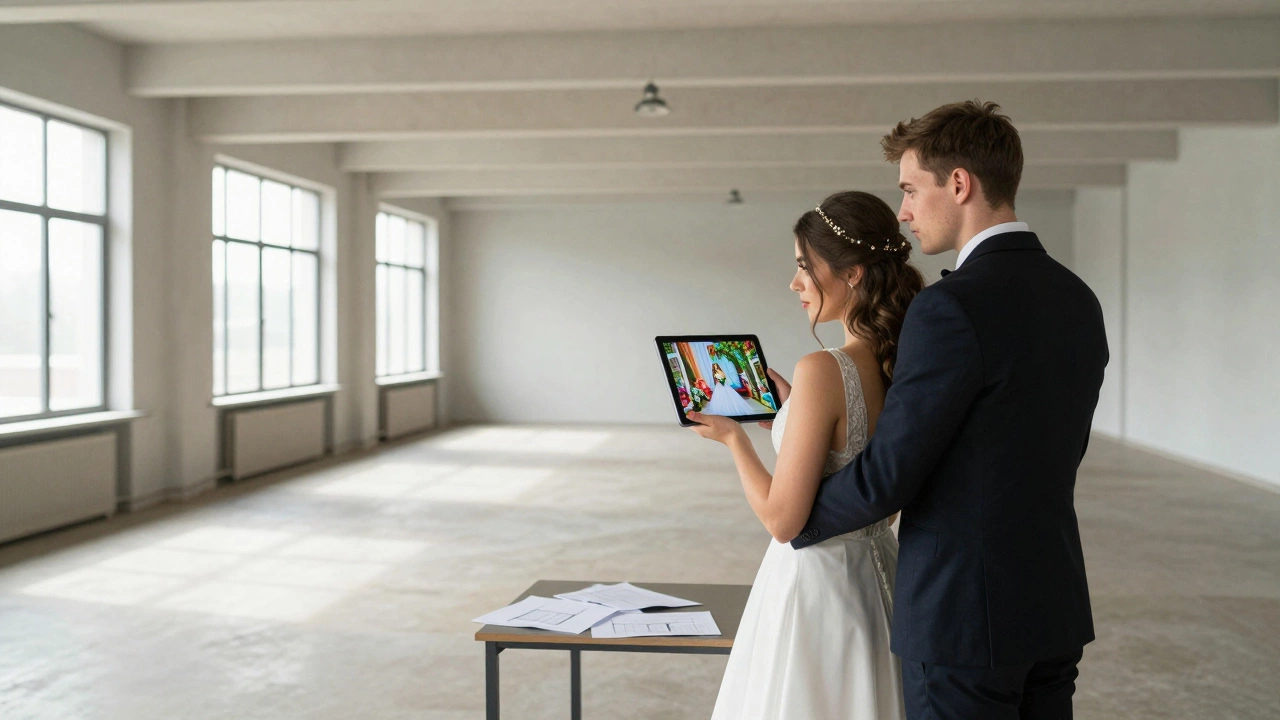
You’ve booked the venue. You’ve hired the photographer. Now you’re staring at Pinterest boards filled with cascading floral installations and gold-draped tables, wondering how much cash you actually need to throw at your reception hall to make it look like that. The short answer? It depends. But the honest answer is that most couples underestimate this cost by a wide margin.
Wedding decor isn’t just about buying flowers; it’s about transforming a blank space into an atmosphere. Whether you are planning an intimate backyard gathering in Melbourne or a grand ballroom event, understanding where your money goes helps you avoid sticker shock on the day itself. Let’s break down what a typical budget looks like, what drives those numbers up or down, and how you can stretch every dollar without sacrificing style.
The Big Picture: How Much Should You Spend?
Industry standards suggest allocating roughly 10% to 15% of your total wedding budget to decor and flowers. If your total budget is $30,000, that means you are looking at spending between $3,000 and $4,500 specifically on making the place look good. However, this percentage fluctuates wildly based on your priorities. If you don’t care about fancy centerpieces but want an incredible open bar, you might drop decor to 5%. If the visual aesthetic is your top priority, you could push it to 20%.
| Total Wedding Budget | Low-End Decor Estimate (5%) | Average Decor Estimate (10-12%) | High-End Decor Estimate (15-20%) |
|---|---|---|---|
| $15,000 | $750 | $1,500 - $1,800 | $2,250 - $3,000 |
| $30,000 | $1,500 | $3,000 - $3,600 | $4,500 - $6,000 |
| $50,000+ | $2,500 | $5,000 - $6,000 | $7,500 - $10,000+ |
Keep in mind these figures usually include floral arrangements, table settings, lighting rentals, and signage. They rarely include the venue rental fee itself or major structural changes unless specified by a full-service planner.
Where Does the Money Actually Go?
To manage your budget, you need to know the line items. Decor is not one lump sum; it is a collection of smaller expenses that add up quickly. Here is how the pie chart typically slices up:
- Floral Arrangements (The biggest expense, often 50-60% of the decor budget): This includes bouquets, boutonnieres, ceremony arches, and centerpieces. Fresh flowers are expensive because they are perishable and labor-intensive to arrange.
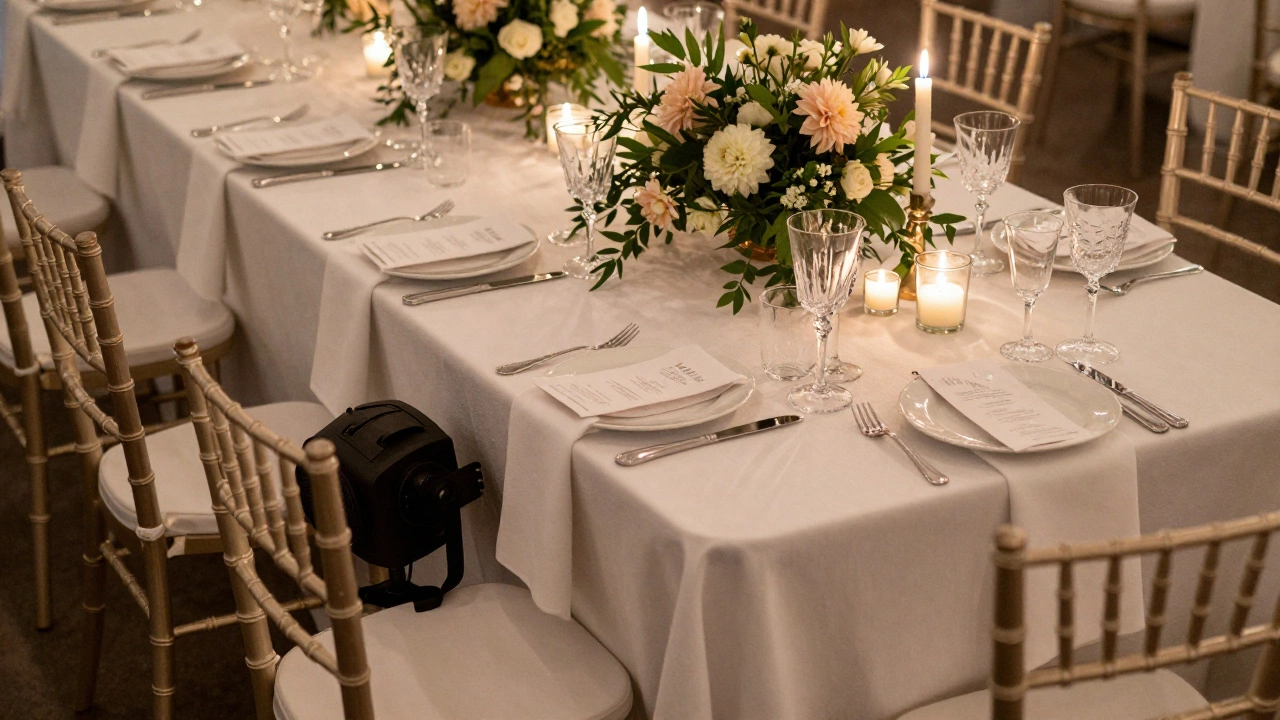
- Rentals (Tables, chairs, linens, and glassware): Even if your venue provides tables, you likely need to rent chairs, linen overlays, and specialty dinnerware. Basic plastic chairs cost less than Chiavari chairs, but the difference adds up across 100+ seats.
- Lighting (Uplighting, string lights, and dance floor illumination): Lighting transforms a room. Uplighting alone can run $500-$1,500 depending on the square footage. It’s cheap insurance against a dull-looking reception hall.
- Signage and Stationery (Welcome signs, menu cards, and seating charts): These are small ticket items individually but accumulate. Custom acrylic signs are trendy but pricey compared to printed cardstock.
- Miscellaneous Details (Cocktail napkins, confetti, guest book pens, and favors): The "finishing touches" that tie the theme together.
DIY vs. Hiring Professionals: The Real Cost Trade-Off
Many couples think doing it themselves saves money. Sometimes it does. Often, it doesn’t. When you DIY, you save on labor fees but spend more on materials, shipping, and your own time. Plus, there is the hidden cost of stress and the risk of things going wrong.
If you hire a florist, you pay for their expertise, their wholesale access to flowers (which is cheaper than retail), and their staff to set up and tear down. If you buy flowers from a wholesaler yourself, you still have to transport them, condition them, and arrange them while tired and hungover from pre-wedding events.
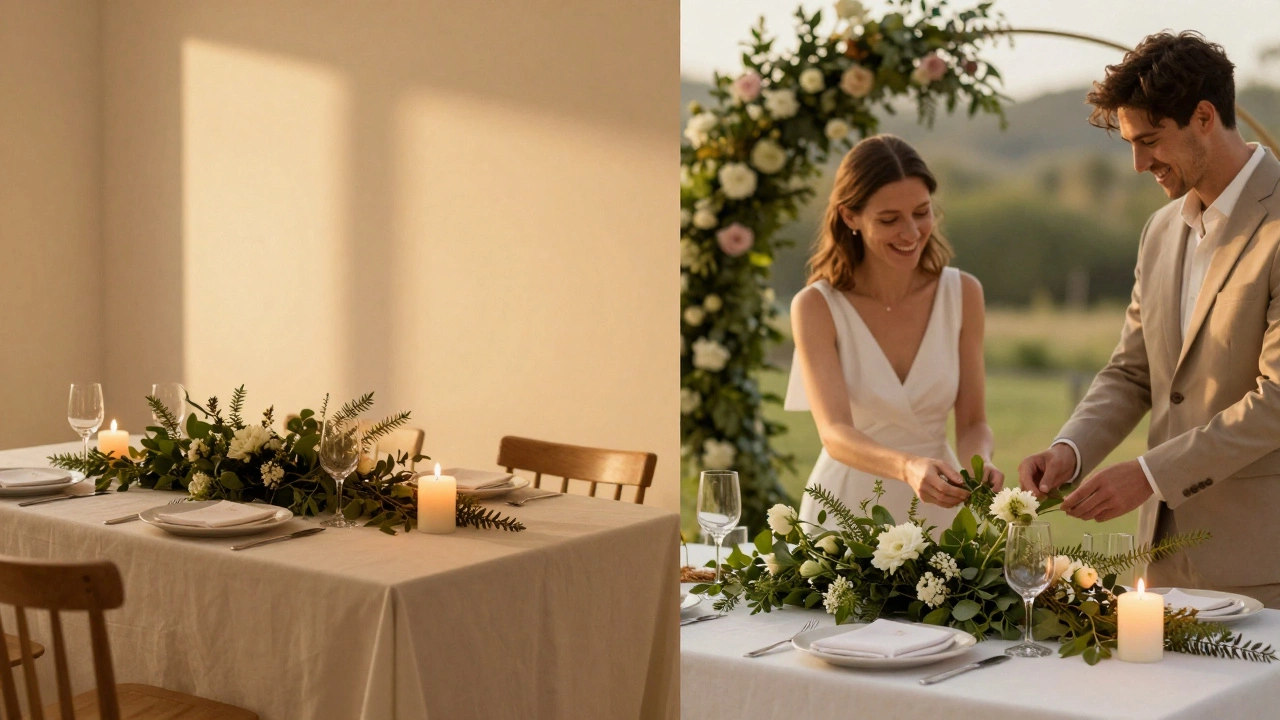
Consider a hybrid approach. Hire professionals for high-stakes items like the bridal bouquet and ceremony arch-things that will be photographed extensively. DIY the low-stakes items like welcome sign calligraphy or simple bud vases. This balances quality with cost control.
Smart Ways to Stretch Your Decor Budget
You don’t need to cut corners to stay within budget. You just need to be strategic. Here are practical tips that work in real-world scenarios:
- Choose In-Season Flowers: Roses in winter cost three times as much as roses in summer. Ask your florist for seasonal alternatives. Peonies are gorgeous but only available late spring. If you marry in autumn, go for dahlias and chrysanthemums.
- Reuse Ceremony Decor: Don’t let the ceremony arch sit empty during cocktail hour. Move the large floral arrangements from the ceremony to the head table or sweetheart table. It cuts your flower count significantly.
- Skip the Centerpieces: Not every table needs a massive floral arrangement. Use candles, greenery, or even just elegant place settings. Focus big budgets on the entrance and the main stage area where photos happen.
- Lighting Over Linens: White linens are standard and often included in venue packages. Colored linens require special orders and cleaning fees. Instead, use colored uplighting to change the mood of the room. It’s cheaper and more impactful.
- Digital Signage: Instead of printing large foam-core seating charts, use a tablet or iPad at the entrance with a digital version. It’s modern, eco-friendly, and free.
Common Pitfalls That Blow the Budget
Even careful planners get caught off guard. Watch out for these common traps:
- Delivery and Setup Fees: Florists and rental companies charge for delivery, setup, and breakdown. These fees can range from $100 to $500 per vendor. Factor them in early.
- Venue Restrictions: Some venues ban candles, confetti, or hanging decorations. Find out before you buy. You don’t want to pay for silk drapes that the fire marshal forces you to remove.
- Over-Decorating Empty Spaces: More stuff equals more cost. A minimalist table setting with great food and lighting often looks more expensive than a cluttered table with cheap trinkets.
- Last-Minute Additions: Adding a photo booth backdrop or extra lounge furniture after contracts are signed incurs rush fees. Stick to the plan.
Regional Differences: What Matters in Your Location
Living in Melbourne, I see a lot of weddings leaning towards rustic-chic and garden styles. Local suppliers offer competitive pricing for native Australian flora like eucalyptus and gum leaves, which are hardy and inexpensive. If you are in a major city, competition among vendors keeps prices reasonable, but labor costs are higher. In rural areas, you might save on labor but pay more for delivery distances.
Always ask local vendors about package deals. Many florists partner with rental companies to offer bundled pricing. It’s worth asking if they have preferred partners who give discounts.
How much should I spend on wedding flowers specifically?
On average, couples spend between $2,000 and $3,500 on flowers alone. This covers bouquets, boutonnieres, ceremony decor, and reception centerpieces. If you are on a tight budget, focus on statement pieces like the bridal bouquet and ceremony arch, and keep table arrangements simple with greenery and candles.
Is it cheaper to rent furniture or buy it?
Renting is almost always cheaper for one-time use. Buying specialty items like Chiavari chairs or heavy wooden farm tables involves storage, cleaning, and potential damage risks. Unless you plan to host multiple large events annually, renting saves money and hassle.
Can I reduce my decor budget without looking cheap?
Yes. Focus on cohesion rather than volume. Use a limited color palette, prioritize lighting to create ambiance, and choose high-quality basics like crisp white linens and clean glassware. Avoid clutter. A well-lit, uncluttered space looks elegant and intentional, regardless of the price tag.
What are the hidden costs in wedding decor?
Hidden costs include delivery fees, setup and breakdown labor charges, sales tax, venue cleanup fees, and corkage fees if you bring your own decorative bottles. Always ask vendors for a detailed quote that includes all service charges before signing.
Should I hire a wedding decorator or do it myself?
Hire a decorator if you value peace of mind and professional design execution. They handle logistics, supplier negotiations, and day-of setup. Do it yourself if you have strong organizational skills, plenty of help from friends/family, and a clear vision. A hybrid approach-hiring pros for key elements and DIYing minor details-is often the best balance.