What is a good budget for a wedding cake? Guide for 2026
 Mar, 26 2026
Wedding Cake Budget Calculator
Estimated Budget
Base Production
Logistics & Fees
Total Estimated Range
ⓘ Smart Saving Tip
Did you know? Using a "display cake" concept allows you to bake 6 slices of gourmet cake for photos and serve a standard sheet cake for eating. This can reduce total costs by nearly 50%.
The Hard Truth About Cake Costs
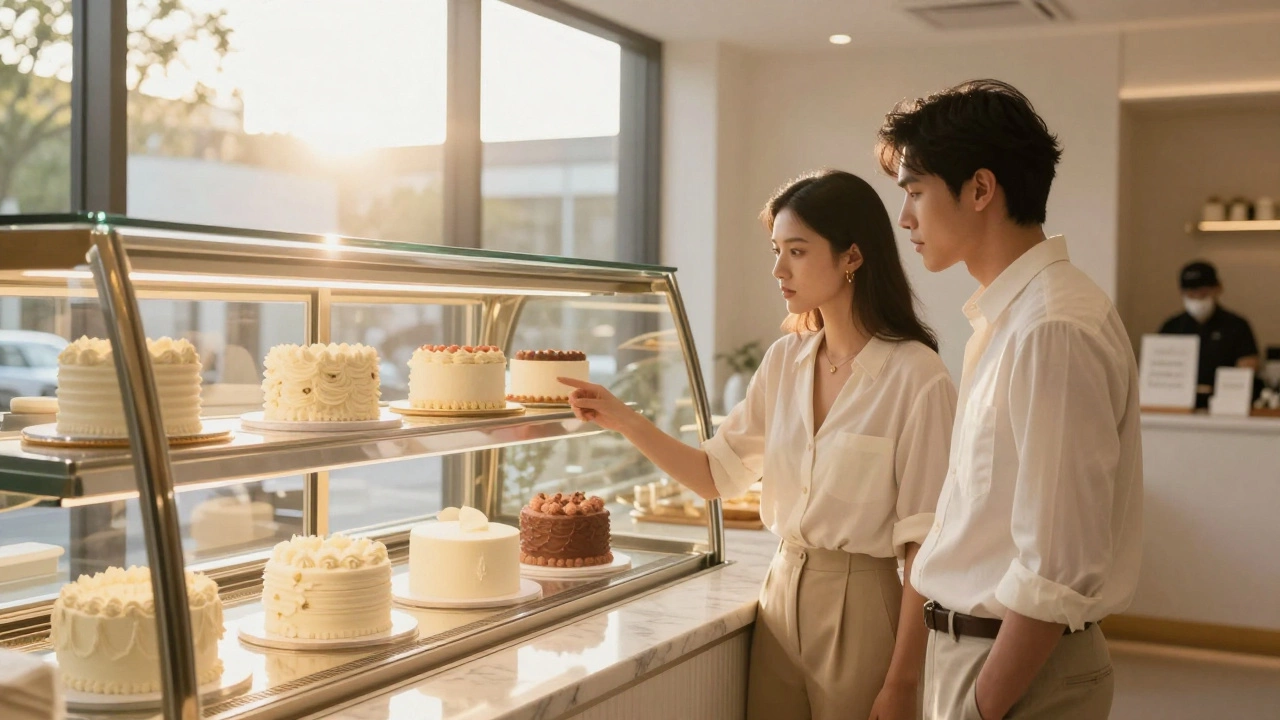
Walking into a bakery in Melbourne with your spouse often feels like walking into a jewelry store. The prices on the chalkboard can make you reach for your wallet defensively before you've even tasted a crumb. You see a stunning three-tiered number online, but when the quote comes through for two thousand dollars, you wonder if you ordered the wrong thing. The reality is that most couples get quoted based on assumptions rather than facts. If you are wondering what a healthy range looks like for your big day, the short answer depends entirely on how many people you are actually feeding.
Wedding Cakes are custom desserts designed specifically for celebration events, typically charged by portion or by design complexity. In today's market, particularly here in Victoria, you cannot simply ask for a "cake" without defining what that means. Is it a towering sculpture with fondant figures, or is it a rustic sponge with fresh berries? The difference in labor time alone can triple the cost. Knowing exactly what drives the price tag helps you set a budget that feels safe without cutting corners.
Setting Your Baseline Number
The most useful way to calculate your budget is by looking at the price per slice. While some bakers give a total lump sum, smart couples ask for the per-head rate. It makes comparing different vendors significantly easier. In 2026, standard pricing across the city generally falls into three distinct buckets based on ingredients and effort. Entry-level options usually start around thirty-five dollars per slice for simple vanilla sponges with buttercream. Mid-range designs, which might include a filling flavor combination or textured decoration, sit comfortably between forty and fifty-five dollars. If you are looking for hand-piped flowers, intricate marzipan work, or exotic fruits inside the layers, expect sixty dollars up to ninety dollars per serving.
To visualize this better, let's look at a standard wedding size. If you invite one hundred guests, a mid-range cake will cost you roughly four to five thousand Australian dollars. That sounds high until you realize you are getting a centerpiece dessert for the entire evening. However, there is flexibility here. Many venues provide a separate sheet cake in the kitchen for the actual eating. This allows you to have a beautiful small cake for photos and a larger, plainer version for the guests. This hybrid approach can slash your costs by nearly half compared to a fully tiered custom order.
| Cake Style | Estimated Cost Per Slice | Total for 100 Guests |
|---|---|---|
| Simple Buttercream (Homemade style) | $30 - $40 | $3,000 - $4,000 |
| Textured / Hand-Finished | $45 - $60 | $4,500 - $6,000 |
| Highly Decorated / Sculpted | $70 - $100+ | $7,000 - $10,000+ |
| Cupcake Stands / Alternatives | $25 - $35 | $2,500 - $3,500 |
Understanding What You Are Paying For
When a baker gives you a quote, they aren't just charging for flour and eggs. The cost reflects hundreds of hours of skill development hidden behind a single product. A Professional Cake Designer, unlike a home cook, invests heavily in food safety standards, equipment maintenance, and liability insurance. Their overhead includes commercial kitchens, refrigeration, and transport logistics required to deliver a delicate structure to your venue intact.
The type of decoration matters immensely for the bottom line. Fondant, while sometimes debated for taste, requires immense skill to apply perfectly without air bubbles or wrinkles. This technique is labor-intensive. Conversely, a naked cake trend, where the layers are exposed with loose frosting, requires very little decoration time but demands perfect baking skills. Both are expensive, but for different reasons. One pays for artistry; the other pays for precision. Understanding this distinction stops you from haggling over a feature that takes ten hours to create, thinking it's just "icing." Some designs simply require more manpower to execute, and that extra time shows up on the invoice.
Design Choices That Influence Price
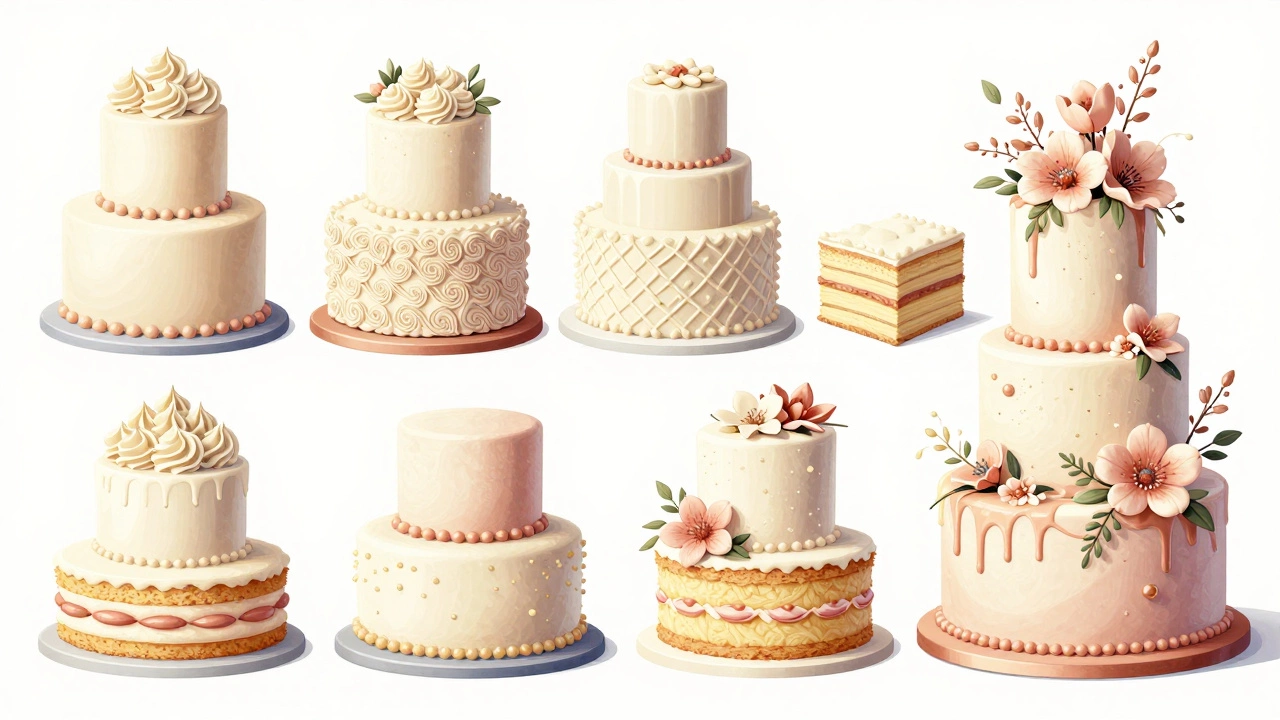
Your visual style dictates your financial requirement far more than you might think. The classic tiered cake is the most expensive option because each tier must be structurally stable enough to support the weight above it. To achieve this stability, bakers use dowels, plastic supports, or internal pillars. These invisible engineering components add weight and complexity. If you choose a multi-tiered design, the height adds risk of damage during transport, so many bakers charge a delivery fee that increases with distance from their base.
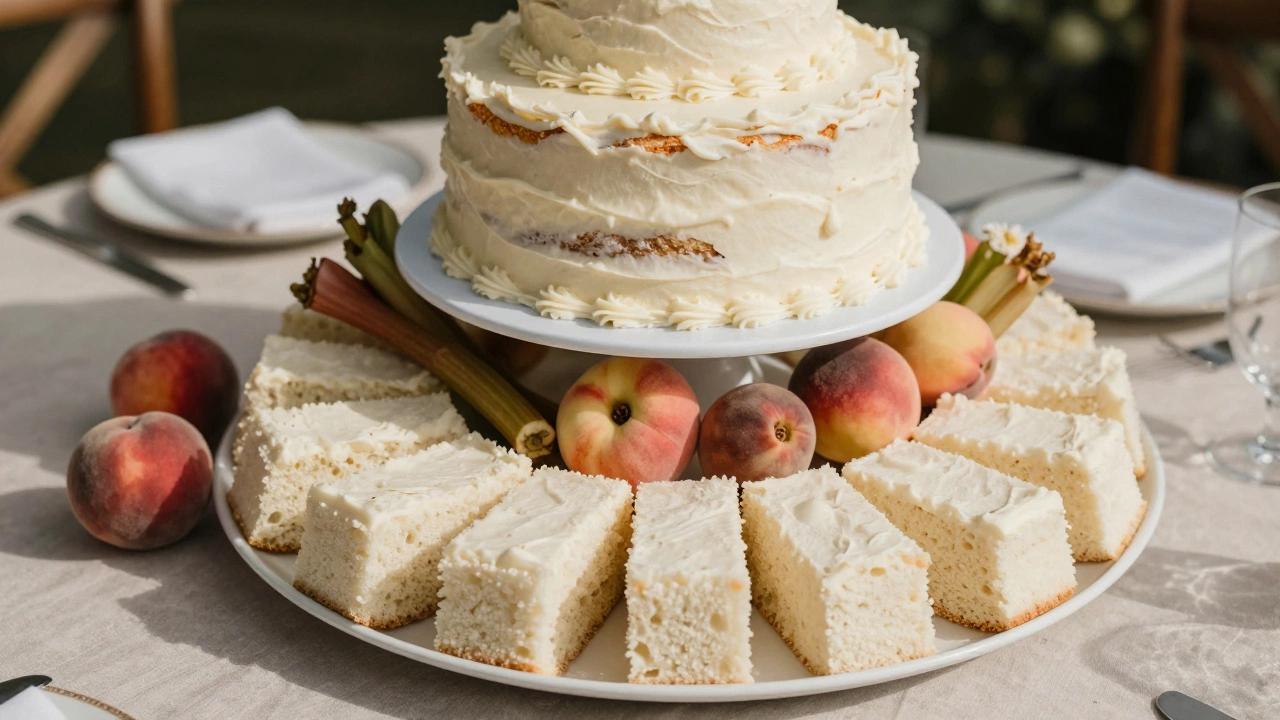
An excellent alternative that saves money involves a "display cake" concept. Instead of making twenty-four slices of custom-cut gourmet cake, you bake six slices of the fancy cake and place them on top of a platter of standard white sponge cut into portions. You get the aesthetic photo op without paying for the expensive interior of every layer. Another option is using non-edible centerpieces. Some florists now sculpt fake flowers out of sugar paste or silk to decorate standard cupcakes. This allows you to have the grandeur of a floral crown without buying the structural integrity of heavy tiers.
Hidden Costs to Watch Out For
Budgeting isn't just about the production cost of the pastry itself. There are ancillary fees that appear late in the negotiation process. Delivery is a major one. A cake for 150 people isn't a box you can slide into a sedan. It requires a van with climate control and careful handling. Expect to pay anywhere from one hundred to three hundred dollars depending on how far the venue is from the bakery. If your wedding is in a remote location in Gippsland or the Yarra Valley, check if travel surcharges apply. Setup fees are also common. The baker needs time at the venue before the reception starts to level the tiers and adjust decorations that may have shifted in transit. If this time conflicts with the venue hire duration, you might face penalties.
Don't forget about cleanup. A professional cake usually comes with a serving plate and knife, but often the venue asks the couple to handle removal of any leftover crumbs or packaging. If the cake is made of edible gold leaf or specific allergens, some caterers will charge extra for storage or disposal if they have to manage the leftovers. Always read the contract regarding "cutting services." Sometimes a third party is paid to slice the cake and serve it to guests, adding another service charge on top of the baker's bill.
Smart Savings Without Sacrificing Quality
You do not have to break the bank to have a delicious dessert. One of the biggest levers you can pull is seasonality. A Melbourne spring wedding in October means you can incorporate stone fruits or rhubarb, which are cheap and locally available. Ask for these flavors explicitly rather than exotic imports like durian or mangoes that require special import permits and cost a fortune. Timing is also key. Bakers often offer discounts for off-season months. July and August can be slower periods compared to December, allowing room for negotiation.
Treatments matter too. Requesting a tasting can seem normal, but some shops charge a deposit for samples. Clarify this upfront. Instead of buying a whole sample cake, opt for a mini-loaf of each flavor, which costs less. You can also limit the customization details. A solid block color with a ribbon is far cheaper than hand-painted botanical scenes. By simplifying the exterior, you reduce the hours of labor required. Also, consider a "dummy" tier. This is a foam replica painted to look real. You can stack it underneath a real small cake for the photo. You eat the smaller cake and save the cost of the large dummy pieces entirely. It is a widely accepted practice in the industry that keeps your wallet happy.
Frequently Asked Questions
Is a wedding cake mandatory?
No, a traditional tiered cake is not required. Many modern couples opt for donut walls, cheesecakes, macaron towers, or individual cupcakes. These alternatives can sometimes fit tighter budgets while still providing a sweet focal point for the reception.
How far in advance should I book a cake maker?
For a standard Melbourne wedding, booking six months ahead is recommended. During peak seasons like autumn, bakers often fill their calendars eight to twelve months in advance. Early booking secures your preferred date and often locks in pricing before inflation hits ingredient costs again.
Do I need to pay a deposit?
Yes, most professional bakeries require a non-refundable deposit to secure the date, usually ranging from 20% to 50% of the total quote. This covers the initial consultation time and reserved inventory. Full payment is generally required two weeks prior to the event.
Can I use flowers from my bouquet?
Absolutely. Fresh blooms are a common way to decorate. Discuss this with your florist and baker together. Real flowers need water tubes if placed directly on the cake to prevent contamination, and the baker must ensure the flowers are pesticide-free. This avoids the high cost of sugar flowers.
What happens to leftover cake?
If you want the leftovers, ask for the boxes provided. The cake is technically yours after the event. Some venues allow you to take it home, while others prefer you to leave it. Always clarify this with your venue coordinator to avoid confusion on the night.
Is delivery always included?
Delivery is rarely included in the base price. Most quotes separate production from logistics. You need to negotiate transport separately or arrange your own pickup if you want to save money, though this carries risks for structural integrity.