What Does the Groom's Mom Pay For? Modern Wedding Budget Breakdown
 May, 21 2026
Wedding Budget Split Calculator
Budget Details
Breakdown Summary
| Contributor | Amount | Share |
|---|---|---|
|
The Couple
Venue, Catering, etc.
|
$0 |
|
|
Bride's Family
Invitations, Decor, etc.
|
$0 |
|
|
Groom's Family
Rehearsal Dinner, Honeymoon
|
$0 |
|
| Total Covered | $0 | 0% |
Adjust the sliders above to see how different contribution levels affect the budget distribution. Traditionally, the Groom's family covers the rehearsal dinner and honeymoon.
There is a moment in every wedding planning journey where the conversation shifts from "what color should the napkins be" to "who is actually writing the check." If you are asking yourself, what does the groom's mom pay for, you are likely navigating the messy, often unspoken financial landscape of modern weddings. The old rulebook said the bride’s family paid for everything, and the groom’s family handled three things: the rehearsal dinner, the honeymoon, and maybe the alcohol. That book was burned years ago.
In 2026, especially here in Melbourne and across Australia, wedding budgets are collaborative projects. However, tradition still whispers in the background. Couples often look to parents for help, but they want it to feel fair, not like a transaction. Understanding what the groom’s mother traditionally covers versus what she might choose to cover today can save you from awkward conversations and budget blowouts. Let’s break down the reality of these costs, moving past the myths and into the practicalities of splitting the bill.
The Traditional Expectations vs. Modern Reality
To understand where we stand now, we have to look at where we came from. Historically, the groom’s family had very specific, limited financial responsibilities. The most prominent one was the rehearsal dinner. This was their big ticket item. They hosted the meal the night before the wedding, inviting the wedding party and immediate family. It was a chance for the two families to mingle before the main event.
Beyond that, the groom’s side was expected to cover the honeymoon. In many older traditions, the couple didn’t see each other until the altar, so the honeymoon was seen as the groom’s gift to his new wife, funded by his family. There were also smaller, symbolic costs: the marriage license, the officiant’s fee, and sometimes the bride’s engagement ring. These were small tokens compared to the massive cost of the venue and catering that fell on the bride’s parents.
Today, this model rarely holds up. Why? Because costs have skyrocketed. A wedding in Melbourne can easily exceed $30,000 to $50,000 AUD. No single family wants to shoulder that burden alone. More importantly, couples are marrying later in life. Many are financially independent. They might own homes or have significant savings. This changes the dynamic completely. The question is no longer "which parent pays," but rather "how do we pool our resources to make this happen?" The groom’s mom is no longer just paying for a dinner; she might be contributing to the venue, the flowers, or even the entire reception if the budget allows.
Breaking Down Specific Costs: Who Pays What?
When you sit down with your partner and your respective parents, you need a clear map of expenses. Here is how the costs typically break down in a modern, equitable arrangement, focusing on where the groom’s mother might step in.
| Expense Category | Traditional Payer | Modern Common Split |
|---|---|---|
| Rehearsal Dinner | Groom’s Family | Groom’s Family or Couple |
| Wedding Invitations | Bride’s Family | Couple or Shared |
| Venue & Catering | Bride’s Family | Couple + Both Families (Shared) |
| Honeymoon | Groom’s Family | Couple |
| Officiant Fees | Groom’s Family | Couple |
| Marriage License | Groom’s Family | Couple |
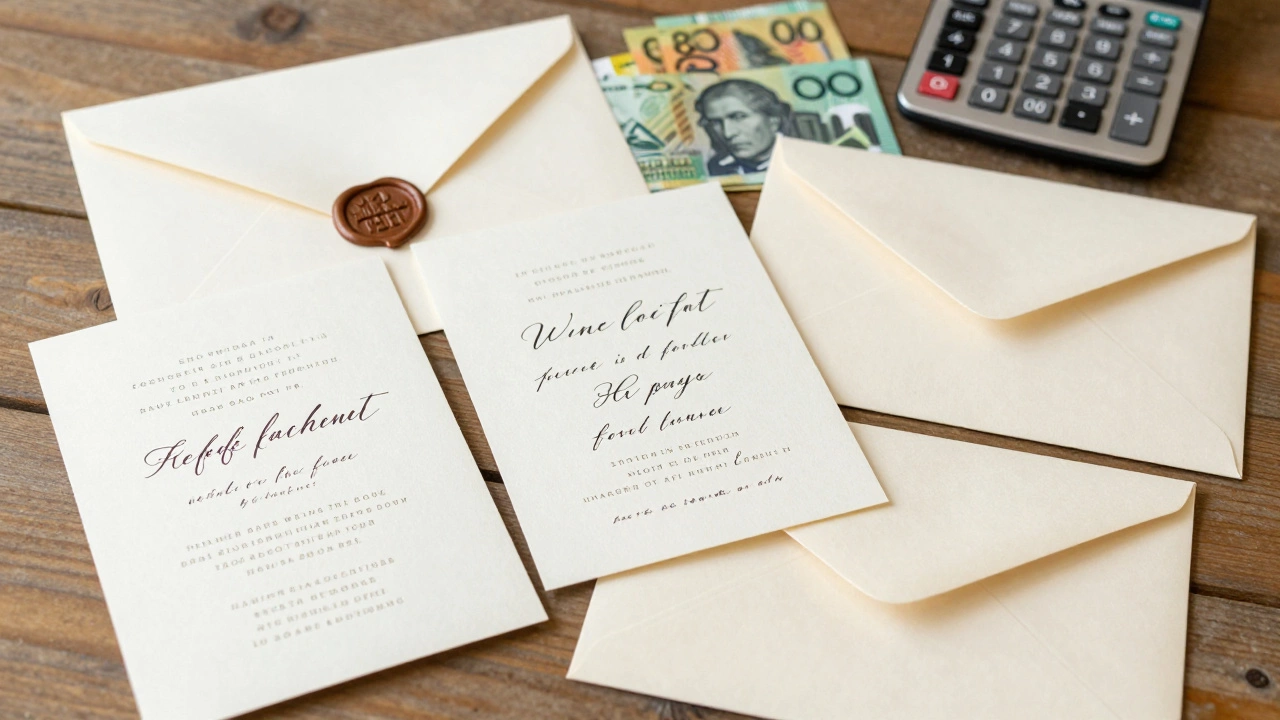
Notice something interesting about the table above? The wedding invitations used to be strictly the bride’s family’s responsibility. Why? Because the invitation was an extension of the bride’s family hosting the event. But in 2026, who sends the invite matters less than who prints it. Most couples design their own digital or paper invites. If the groom’s mom wants to help, she might offer to pay for the high-quality printing and postage of the wedding invitations. This is a tangible, meaningful way to contribute without taking over the creative process. It’s a gesture that says, "I am part of this celebration," rather than "I am buying this event."">
Another area where the groom’s mother often contributes is the rehearsal dinner. While some couples now split this cost, it remains the one expense where the groom’s family retains a strong traditional claim. It’s a lower-stakes event than the wedding itself, making it a perfect entry point for parental contribution. It doesn’t have to be a formal sit-down dinner at a hotel. In Melbourne, it could be a casual barbecue at a backyard, a wine tasting at a local cellar door in Yarra Valley, or a group reservation at a favorite Italian restaurant. The key is intimacy, not extravagance.
Navigating the Conversation: How to Ask Without Awkwardness
Money talks are hard. They become harder when emotions and family dynamics are involved. You don’t walk into a meeting with your future mother-in-law and say, "Here is the list of things you owe us." That approach will backfire instantly. Instead, frame the conversation around gratitude and collaboration.
Start by acknowledging her desire to contribute. Many parents, including the groom’s mom, *want* to help. They see it as a way to support their child and welcome the new spouse. Your job is to guide that generosity toward areas that fit your vision and budget. Here is a simple framework for the discussion:
- Create a Master Budget First: Before talking to parents, you and your partner must agree on your total budget and how much you are contributing yourselves. Know your numbers.
- Identify Priority Areas: Decide which parts of the wedding matter most to you. Is it the food? The photography? The music? Be ready to explain why these elements are non-negotiable.
- Offer Choices, Not Demands: Instead of saying, "You need to pay for the flowers," try, "We are looking at $3,000 for floral arrangements. Would you be interested in covering this, or would you prefer to handle the rehearsal dinner instead?" This gives her agency.
- Be Clear About Expectations: If she agrees to pay for something, confirm the details in writing (a gentle email summary works well). This prevents misunderstandings about quality or scope later on.
For example, if the groom’s mom offers to pay for the wedding invitations, clarify whether that includes the calligraphy, the envelopes, and the postage. Postage in Australia can add up quickly if you have a large guest list. Being specific shows respect for her contribution and ensures you aren’t left holding the bag for hidden costs.
Alternative Contributions Beyond Cash
Not every contribution has to be a direct transfer of funds. Some parents prefer to give gifts or services. The groom’s mom might offer to bake the wedding cake, organize the transportation, or manage the guest book. These contributions have monetary value and reduce stress, even if they don’t show up as a line item on a bank statement.
However, there is a fine line between helpful and intrusive. If she offers to bake the cake, ensure you trust her baking skills and timeline. If she offers to plan the rehearsal dinner, let her lead that project entirely. Don’t micromanage her spending. If she wants to spend $500 on a $200 dinner, let her. It’s her gift. The goal is harmony, not accounting precision.
Another common alternative is the "gift registry" approach. Some couples create a wedding fund where parents can contribute directly to specific experiences, like the honeymoon or the first home. This removes the pressure of choosing specific vendors and allows the couple to control the allocation of funds. It’s a clean, modern solution that respects everyone’s autonomy.

Handling Disagreements and Unequal Financial Situations
What happens if the groom’s mom cannot afford to contribute? Or worse, what if she expects to contribute but refuses to discuss it? These scenarios require sensitivity. Remember, a contribution is a gift, not a debt. Never guilt-trip a parent into spending money they don’t have. It creates resentment that can last long after the confetti settles.
If finances are tight, focus on non-monetary support. Can she help with DIY projects? Can she coordinate with vendors? Can she provide emotional support during the stressful weeks leading up to the wedding? These are valuable contributions that cost nothing but time and care.
Conversely, if one family is significantly wealthier than the other, avoid letting that dictate the wedding style. Just because the bride’s family can afford a luxury venue doesn’t mean the groom’s family should feel pressured to match that energy elsewhere. Keep the tone consistent. A modest rehearsal dinner paired with a lavish reception is perfectly acceptable. Balance comes from effort and love, not equal dollar amounts.
Practical Tips for Finalizing the Plan
Once you have discussed contributions, put it all in writing. Create a shared spreadsheet that tracks who is paying for what. Include deadlines for payments. Vendors won’t wait for family drama to resolve. If the groom’s mom is paying for the rehearsal dinner, she needs to know the deposit is due next week. Communicate clearly and early.
Also, consider tax implications if the amounts are significant. In Australia, gifts between family members generally aren’t taxable, but large transfers might raise questions with banks or financial advisors. Keep records of any loans versus gifts. If it’s a loan, write a simple agreement outlining repayment terms. This protects relationships by removing ambiguity.
Finally, express gratitude. Thank the groom’s mom sincerely, both verbally and in writing. Acknowledge her role in making the day possible. A heartfelt thank-you note goes a long way in cementing a positive relationship with your new family. Weddings are about union, not just expenditure. Let the financial discussions serve that larger purpose.
Does the groom's mom have to pay for the wedding invitations?
No, there is no legal or strict traditional requirement for the groom's mom to pay for the wedding invitations. Traditionally, the bride's family covered invitation costs. However, in modern weddings, it is common for the couple to pay for them, or for parents to contribute voluntarily. If the groom's mom offers to pay, it is a generous gift, not an obligation.
What is the most important thing the groom's family should pay for?
Traditionally, the most significant expense for the groom's family is the rehearsal dinner. This remains a strong expectation in many circles. Beyond that, contributions vary widely based on family finances and preferences. Other common contributions include the honeymoon, officiant fees, and sometimes alcohol for the reception.
How do I ask my future mother-in-law for money without being rude?
Frame the conversation around collaboration and gratitude. Start by sharing your overall budget and what you and your partner are contributing. Then, ask if she would like to contribute to specific areas that matter to you, such as the rehearsal dinner or floral arrangements. Offer choices rather than demands, and always thank her for considering it, regardless of her answer.
Can the groom's mom pay for part of the venue?
Yes, absolutely. In modern weddings, splitting major costs like the venue and catering among both families and the couple is increasingly common. This helps distribute the financial burden more evenly. Ensure you discuss this openly and get any agreements in writing to avoid misunderstandings later.
What if the groom's mom cannot afford to contribute?
If the groom's mom cannot contribute financially, respect her situation gracefully. Focus on non-monetary ways she can help, such as offering emotional support, helping with DIY tasks, or coordinating with vendors. A contribution is a gift, not a requirement, and maintaining a positive relationship is far more valuable than financial aid.