What do you call a person who loves cake? Cake Master, Pastry Chef & Wedding Cake Makers
 Aug, 17 2026
Find Your Cake Role
Answer three simple questions about your relationship with cakes to discover which title best fits you.
Fill out the form above to see your result!
Description goes here.
Key Characteristics
Skill Proficiency
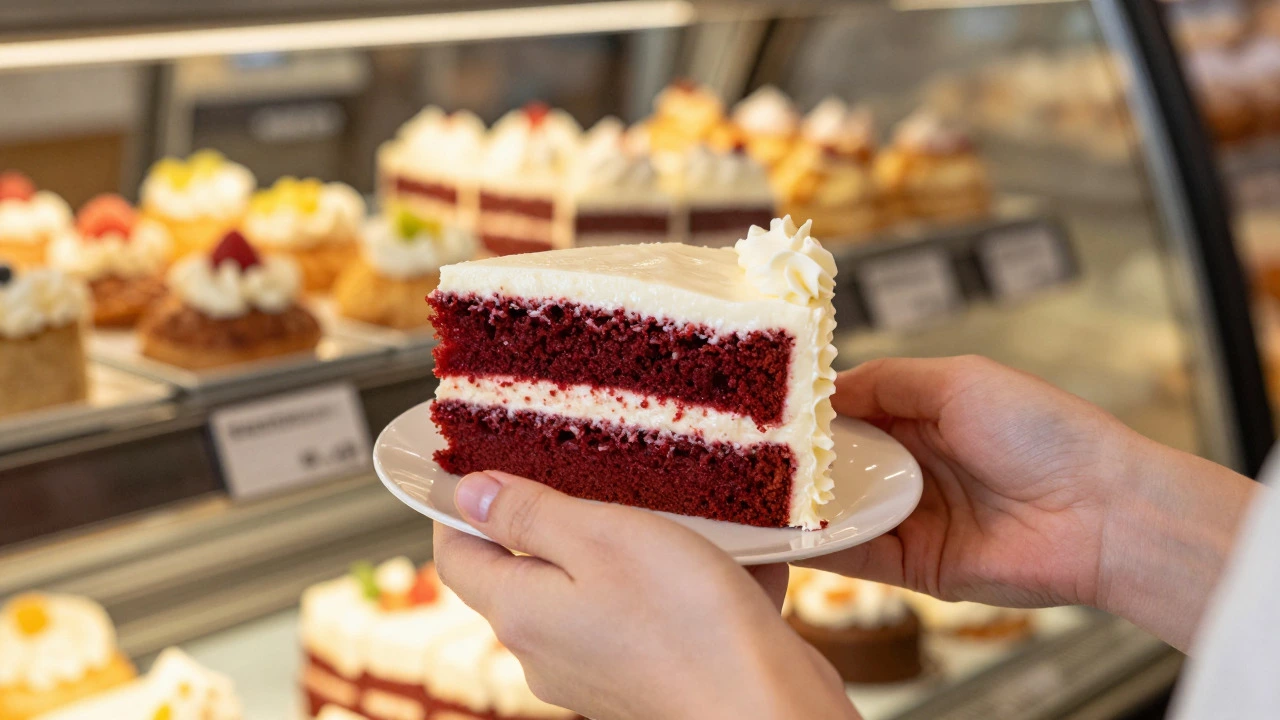
Ever caught yourself staring at a display case, heart racing for that slice of red velvet or lemon drizzle? You’re not alone. But what exactly do we call the people who turn that obsession into art? It’s not just a "fan." In the culinary world, especially when it comes to wedding cake makers, there are specific titles that carry weight, skill, and history.
If you’ve ever wondered about the proper terminology for someone who adores or creates cakes, you’re in the right place. We’ll break down the casual terms, the professional job titles, and the specific roles within the high-stakes world of wedding confectionery. Whether you’re planning your big day or just curious about the craft, understanding these distinctions helps you communicate better with the experts.
The Casual Terms: From Enthusiasts to Devotees
In everyday conversation, language is flexible. If you love eating cake, you might simply be called a Cake Enthusiast. This term describes anyone with a strong passion for consuming desserts. It’s light, fun, and carries no expectation of skill. Think of the friend who always saves room for dessert or the one who brings a box of cupcakes to every office meeting.
Then there’s the Sweet Tooth. This is a colloquial idiom rather than a formal title. A sweet tooth refers to a person who has a particular fondness for sugary foods. While it covers all sweets, including chocolate bars and ice cream, it’s often used interchangeably with cake lovers in casual settings. If you describe yourself as having a sweet tooth, people immediately understand your preference without needing a technical explanation.
For those who don’t just eat but also bake, the term Home Baker fits best. This isn’t a certified title, but it signals hobbyist-level expertise. Home bakers experiment with recipes, perfect their techniques, and often share creations on social media. They bridge the gap between pure consumption and professional creation.
Professional Titles: The Craft Behind the Crumb
When we move from eating to making, the vocabulary becomes more precise. The most common professional term is Pastry Chef. A pastry chef is a trained culinary professional responsible for preparing desserts, pastries, and baked goods. Unlike line cooks who focus on savory dishes, pastry chefs work in a specialized section of the kitchen, often referred to as the "pastry station." Their role requires a deep understanding of chemistry, temperature control, and texture balance.
You might also hear the term Pâtissier. This French-derived word is widely used in fine dining and high-end bakeries. A pâtissier specializes in intricate pastries, tarts, and elaborate cakes. The title suggests a higher level of artistic precision and technical mastery compared to a general pastry cook. In Melbourne’s vibrant food scene, many boutique cafes employ pâtissiers to create signature seasonal desserts that attract local crowds.
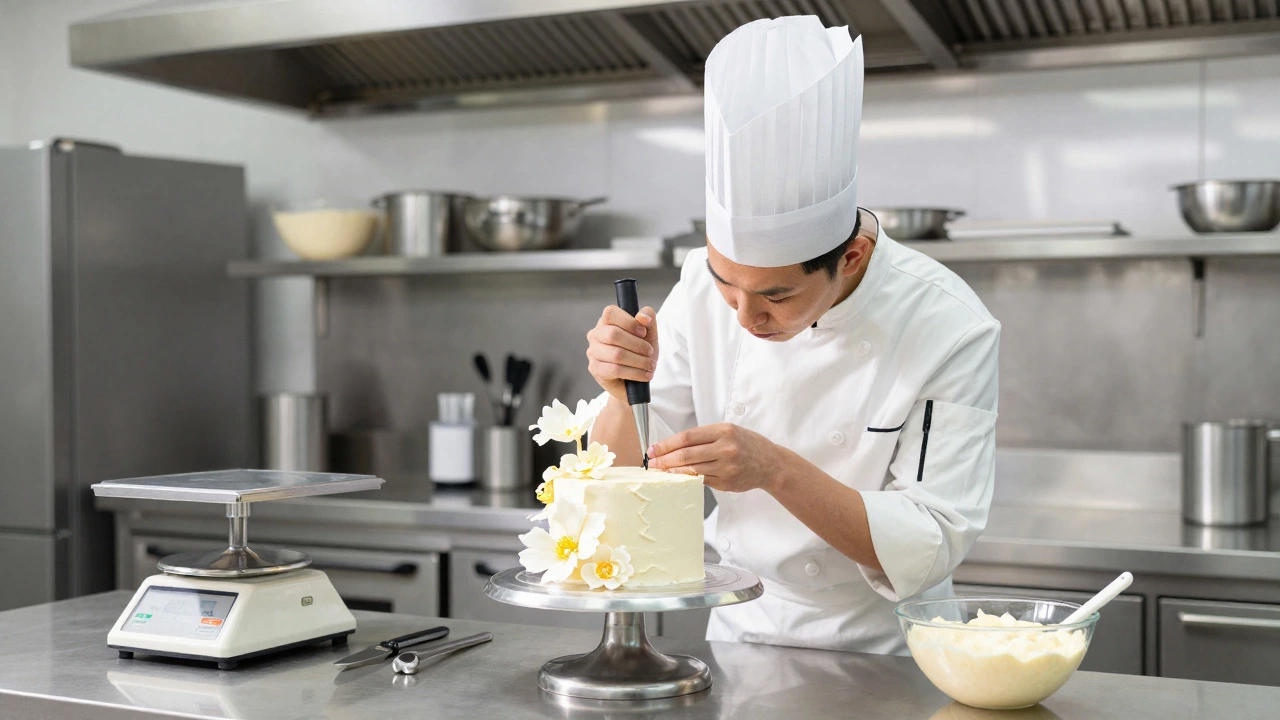
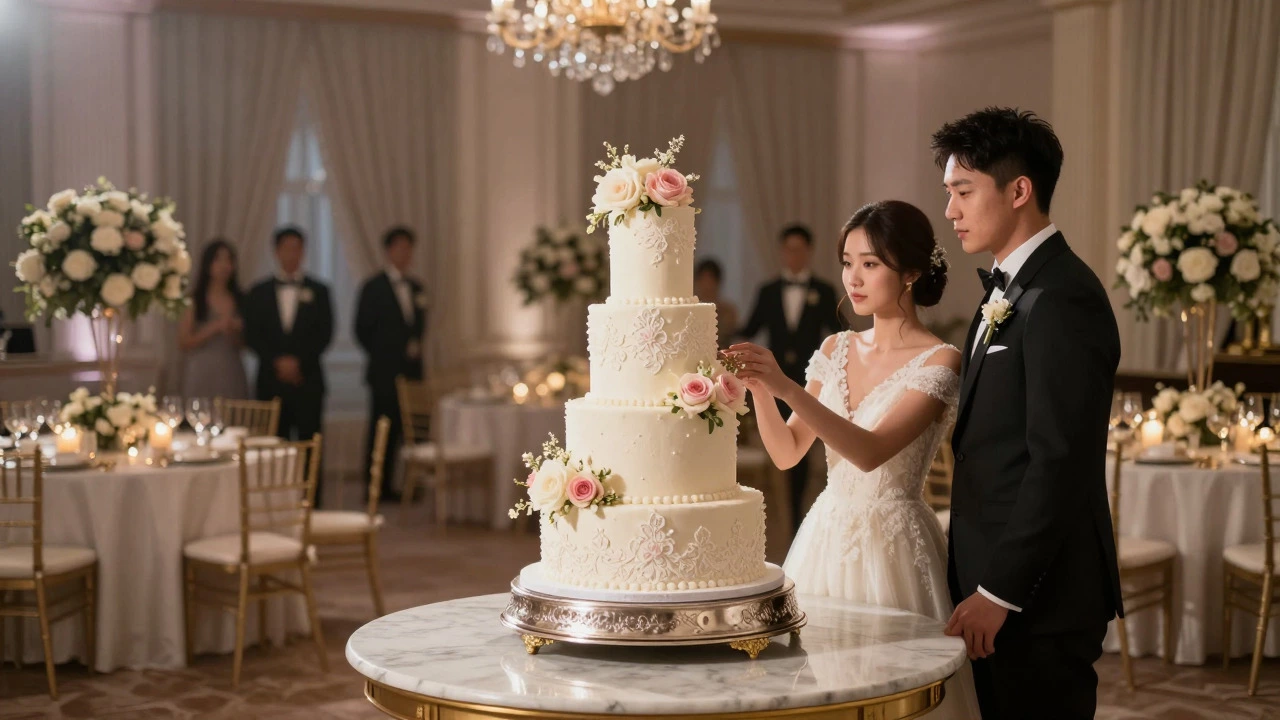
For those focused specifically on cakes, the title Cake Artist has gained popularity. This term emphasizes the visual aspect of the craft. Cake artists focus heavily on design, piping techniques, sugar flowers, and structural integrity. They are part baker, part sculptor, and part painter. If you see a towering three-tier masterpiece with hand-piped roses, that was likely created by a cake artist rather than a standard bakery worker.
Specializing in Weddings: The Role of the Wedding Cake Maker
Now, let’s zoom in on the specific context mentioned in our search: weddings. A Wedding Cake Maker is a specialist who designs, bakes, and decorates cakes specifically for nuptials. This role combines the skills of a pastry chef with the logistical demands of event catering. Wedding cakes are not just desserts; they are central pieces of the reception décor and often serve as the first impression of the couple’s style.
Unlike restaurant pastry chefs who produce dozens of identical plates daily, wedding cake makers work on custom commissions. Each cake is unique, tailored to the couple’s theme, venue aesthetic, and dietary requirements. This makes the job less about volume and more about bespoke craftsmanship. A skilled wedding cake maker must manage timelines rigorously, ensuring the cake arrives fresh, stable, and visually flawless on the day of the ceremony.
Many wedding cake makers operate under the broader umbrella of Bespoke Confectionery. This industry segment focuses on made-to-order treats. In Australia, particularly in cities like Melbourne, Sydney, and Brisbane, this sector has grown significantly as couples seek personalized experiences over mass-produced options. The demand for gluten-free, vegan, or nut-free wedding cakes has further specialized this field, requiring makers to master alternative ingredients without sacrificing taste or structure.
Comparing the Roles: Skill Sets and Expectations
To clarify the differences, let’s look at how these roles compare in practice. Understanding these distinctions helps you know whom to hire and what to expect from each professional.
| Role | Primary Focus | Typical Setting | Key Skill Requirement |
|---|---|---|---|
| Cake Enthusiast | Consumption | Home, Social Events | None (Passion only) |
| Pastry Chef | Dessert Production | Restaurants, Hotels | Technical Baking, Menu Planning |
| Pâtissier | Artistic Pastries | Fine Dining, Boutique Cafes | Precision, Plating, Flavor Balance |
| Cake Artist | Visual Design | Studios, Custom Orders | Sugar Work, Piping, Sculpting |
| Wedding Cake Maker | Bespoke Event Cakes | Private Studio, On-site Delivery | Logistics, Custom Design, Client Management |
Notice how the Wedding Cake Maker sits at the intersection of art and logistics. While a pâtissier might spend hours perfecting a single tartlet for a tasting menu, a wedding cake maker spends weeks planning a single order. The pressure is different. A failed tart affects one guest; a failed wedding cake can impact the entire celebration’s narrative.
Why the Title Matters for Your Wedding Day
Knowing these terms isn’t just academic. It directly impacts how you plan your wedding. When you start searching for vendors, using the right keywords helps you find the right specialist. If you search for "pastry chef," you might find someone excellent at restaurant desserts but inexperienced with large-scale event logistics. If you search for "wedding cake maker," you’re targeting professionals who understand transport, setup, and presentation in a banquet setting.
In Melbourne, the competitive landscape means many talented individuals wear multiple hats. A small studio owner might identify as a "cake artist" but function as a full-service wedding cake maker. Always ask about their experience with tiered structures, transportation, and dietary restrictions. A true specialist will have protocols for every potential issue, from heat-sensitive ganache to fragile sugar flowers.
Furthermore, understanding the hierarchy of skills helps you set realistic expectations. If you want a minimalist, naked cake, a skilled home baker or a junior pastry chef might handle it beautifully. But if you desire an elaborate, sculptural centerpiece with intricate lacework, you need a senior cake artist or a dedicated wedding cake maker with a proven portfolio of complex builds.
Frequently Asked Questions
Is a cake decorator the same as a cake maker?
Not necessarily. A cake maker bakes the sponge and prepares the fillings, focusing on flavor and structure. A cake decorator focuses on the exterior finish, using frosting, fondant, or sugar paste to create visual appeal. Many professionals do both, but in larger teams, these roles are often separated to ensure efficiency and quality control.
What is the difference between a pastry chef and a pâtissier?
While often used interchangeably, "pâtissier" is a French term that implies a higher level of specialization in delicate pastries and artistic presentation. A pastry chef is a broader English term covering all dessert production. In practice, a pâtissier may focus more on plated desserts and intricate pastries, while a pastry chef might manage a wider range of baked goods including breads and cookies.
Do I need a licensed wedding cake maker in Australia?
Yes. Any business selling food to the public in Australia must comply with Food Standards Code regulations. This includes holding a current Food Business Registration with your local council. For wedding cakes, which are often consumed by large groups, hygiene standards are strictly enforced. Always verify that your chosen maker holds the necessary licenses and insurance.
Can a home baker make a professional-quality wedding cake?
It is possible, but risky. Home bakers may lack the commercial kitchen equipment needed for consistent results and may not carry liability insurance. If hiring a home baker, ensure they have references, a clean track record, and adequate insurance coverage. For large weddings, a professional wedding cake maker is generally recommended due to their established processes and backup plans.
What does a cake consultant do?
A cake consultant works with couples to select the right style, flavor, and size for their wedding. They may not bake the cake themselves but guide clients through the decision-making process, helping them visualize options and match the cake to their overall wedding theme. This role is growing in popularity as couples seek expert advice to avoid costly mistakes.