What Color Were Wedding Dresses Before White? A History of Bridal Fashion
 Oct, 5 2026
Bridal Fashion History Explorer
Discover why brides didn't always wear white. Click on an era or take the quiz!
Rich Colors
Practical & Reusable
The White Shift
Diversity Returns
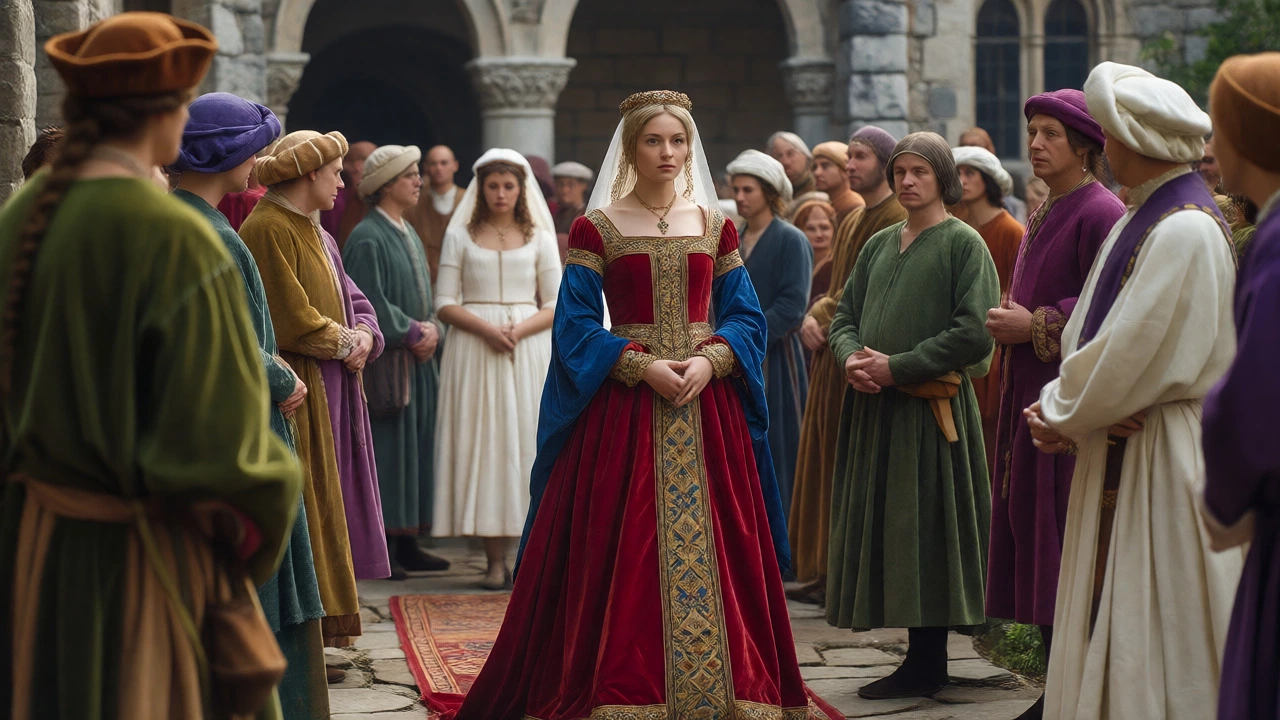
Medieval & Renaissance (1100–1600)
Dominant Colors: Red, Blue, Green, Gold, Purple.
Why? Wealth Display. Dyes were expensive. A bride wearing deep red or indigo blue signaled her family's power and status. The dress was an asset, often worn again for church services.
Georgian Era (1714–1837)
Dominant Colors: Silver, Grey, Pastels, Black.
Why? Practicality. Before dry cleaning, keeping a white dress clean was nearly impossible. Brides wore their best formal dresses in neutral or dark tones that could be reused for other events. Black was seen as elegant and practical.
Victorian Turning Point (1840+)
Dominant Colors: White, Ivory, Cream.
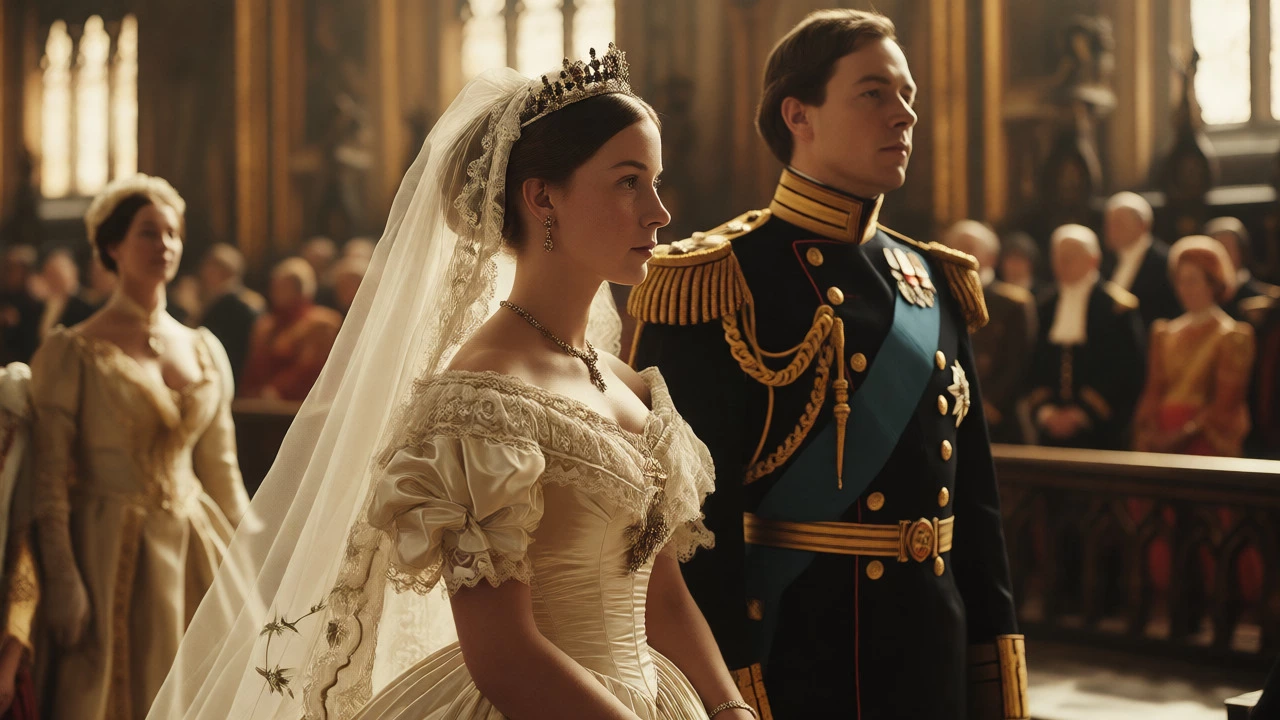
Why? Queen Victoria's Influence. On Feb 10, 1840, Queen Victoria married Prince Albert in a white silk satin and Honiton lace gown. She chose it to support the struggling British lace industry and because she liked the look. It wasn't originally about purity, but media coverage made it aspirational.
Modern Era (20th Century–Present)
Dominant Colors: White became standard via Hollywood and post-war prosperity, but is now diversifying with blush, navy, sage, and vintage colors.
Why? Media Saturation then Individuality. By the 1950s, movies cemented white as the ideal. Today, sustainability and personal expression are driving a return to colorful, re-wearable gowns.
Click on an era above to learn more about bridal fashion trends.
Loading question...
Quiz Complete!
You scored 0/0
You might assume that brides have always walked down the aisle in white. It feels like a timeless tradition, doesn't it? But if you traveled back to 1840, or even just fifty years prior, you’d see something completely different. You wouldn’t see a sea of ivory and pearl. You’d see reds, blues, greens, and yes, even black. The idea that a bride must wear white is actually surprisingly recent, rooted in one specific royal event rather than centuries of religious doctrine or universal custom.
| Era | Dominant Colors | Primary Reason |
|---|---|---|
| Medieval & Renaissance (1100-1600) | Red, Blue, Green, Gold | Wealth display; color signified status and family power. |
| Georgian Era (1714-1837) | Silver, Grey, Pastels, Black | Practicality; dresses were reused for formal events. |
| Victorian Turning Point (1840+) | White, Ivory, Cream | Queen Victoria’s influence shifted perception toward purity. |
| Modern Era (20th Century-Present) | White, Off-White, Blush, Champagne | Tradition solidified via media and bridal industry marketing. |
The Myth of Ancient Purity
Here’s the thing: white wasn’t originally about virginity. In fact, for most of human history, white was a terrible choice for a wedding dress. Think about it. Before washing machines, dry cleaning, and synthetic fabrics, keeping a garment pure white was a nightmare. If you spilled wine on your dress during the reception, you were stuck with it. So, why would anyone choose a color that shows every speck of dirt?
They didn’t. For centuries, brides wore their best clothes. And "best" usually meant colorful. In medieval Europe, a bride’s outfit was a statement of her family’s wealth. Deep reds, rich purples, and vibrant blues required expensive dyes. If your family could afford saffron yellow or indigo blue, they showed off at the wedding. The dress wasn’t disposable; it was an asset. Many brides wore dresses they intended to use again for church services or other formal gatherings throughout the year.
In Scotland, for example, it wasn’t uncommon for brides to wear green. In parts of Scandinavia, traditional folk costumes featured heavy embroidery and bold patterns. These weren’t mistakes or deviations from a rule; they were the norm. The association of white with chastity is a modern overlay. Historically, white was simply too impractical for the average person. Only the ultra-wealthy could afford multiple garments that could be worn once and stored away, but even then, color was preferred for its visual impact.
Queen Victoria Changed Everything in 1840
If there is one date to remember, it’s February 10, 1840. This is when Queen Victoria married Prince Albert. She chose a dress made of silk satin and Honiton lace. It was white. Not because she wanted to signal purity, but for two very practical reasons.
First, she wanted to support the British lace industry, which was struggling against imported French lace. By choosing Honiton lace, she gave local artisans a massive publicity boost. Second, she liked the look. At twenty years old, she found white flattering and fresh compared to the heavier silks favored by older royals. It wasn’t a political statement about morality. It was a fashion choice with economic undertones.
But here’s where it gets interesting. When photos of the wedding started circulating-and this was one of the first major royal weddings to be widely documented-the public saw this young queen in white. They loved it. It looked ethereal, youthful, and distinct from the stuffy court traditions of the past. Suddenly, white became aspirational. It wasn’t mandatory yet, but it was the new "it" color for those who could afford to follow the trend.
Why Did White Take Over?
It took nearly a century for white to become the default. During the late 19th and early 20th centuries, the middle class began to grow. As photography became accessible to more people, the image of the "white bride" spread through magazines and newspapers. The Victorian era romanticized the concept of the bride as a delicate, innocent figure. White fit this narrative perfectly.
By the time we hit the 1950s, post-war prosperity and Hollywood movies cemented the standard. Films like *The Wizard of Oz* and countless romantic comedies depicted heroines in white gowns. The bridal industry, still finding its footing, leaned into this. Selling a dress that you only wear once is easier if everyone agrees on what that dress should look like. Uniformity drives sales.
Consider the economics. If every bride expects a white gown, manufacturers can streamline production. They don’t need to stock ten different shades of teal or burgundy. They focus on variations of white: ivory, eggshell, cream, champagne. This simplification helped the modern bridal market explode. Today, while non-white dresses are making a comeback, the expectation remains strong enough that many brides feel pressured to conform, often unaware of how recently this pressure originated.
Regional Traditions That Defied White
Even after Queen Victoria set the trend, not everyone jumped on board. Cultural identity runs deep, and many regions held onto their traditional colors well into the 20th century.
- China: Red has long been the color of luck, joy, and prosperity. A white wedding dress might be worn for the ceremony, but red is often reserved for the tea ceremony or banquet. To a traditional Chinese family, white can sometimes be associated with mourning, so mixing the colors is common.
- India: Brides typically wear red, gold, or pink saris or lehengas. White is generally avoided for weddings because it is traditionally worn for funerals. The emphasis is on vibrancy and auspiciousness, not minimalism.
- Scandinavia: In Norway and Sweden, traditional bunad costumes feature bright reds, blues, and intricate silver jewelry. While modern brides may wear white, many incorporate elements of these traditional outfits to honor their heritage.
- Japan: Similar to China, white is associated with death. Traditional Shinto weddings involve a shiromuku, a white kimono, but this represents the bride becoming a blank slate ready to take on her husband’s family colors. However, many modern couples opt for colorful kimonos or Western-style dresses to avoid confusion.
These examples highlight that the "white wedding" is not a global constant. It’s a Western export that gained dominance through colonial influence and media saturation. In many cultures, the bride’s attire is designed to ward off evil spirits or attract good fortune, tasks better suited to bright, bold colors than neutral tones.
Is White Still Mandatory?
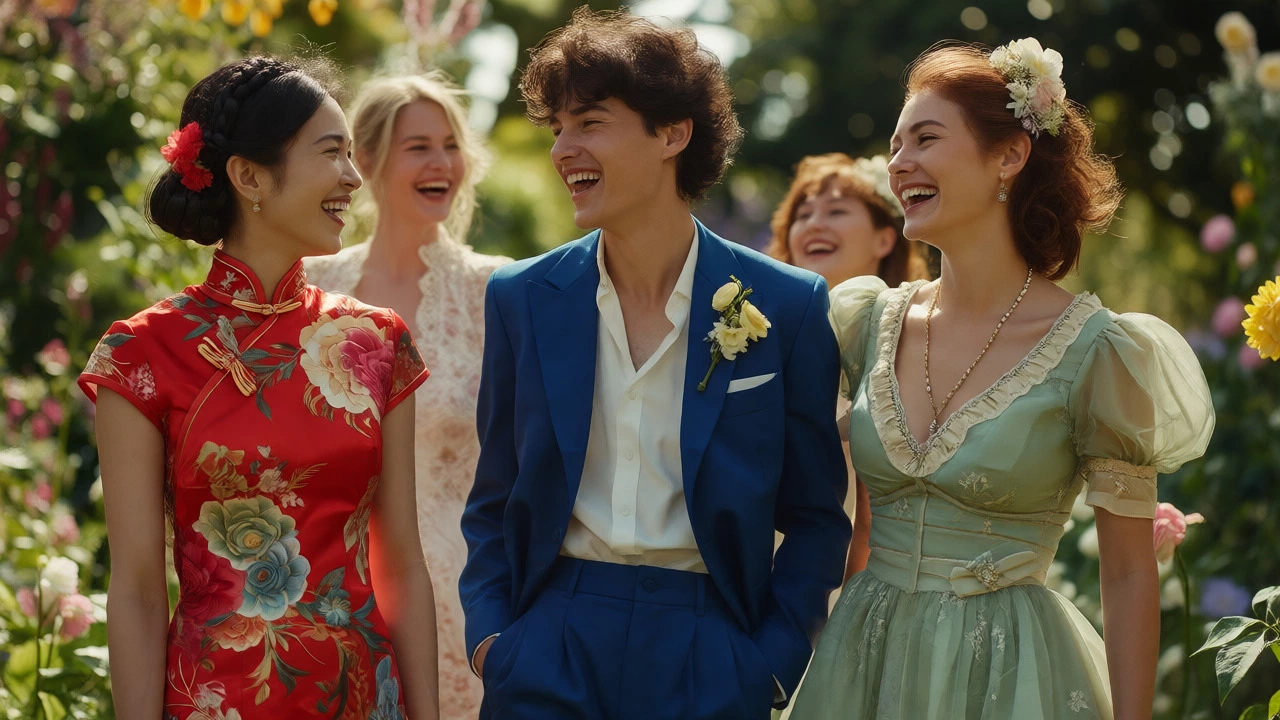
Not anymore. We’re currently seeing a significant shift. Modern brides are increasingly rejecting the rigid rules of the past. Why? Because individuality matters more now than conformity. With social media showcasing diverse styles, the pressure to wear white has loosened.
You’ll see blush pinks, sage greens, and even deep navy suits at weddings today. Some brides choose vintage dresses that aren’t strictly white-perhaps a faded yellow or a soft lavender from the 1970s. Others go for separates, pairing a colored top with a white skirt, or vice versa.
This change isn’t just about fashion; it’s about comfort and sustainability. Wearing a non-white dress means you can actually re-wear it. A navy suit can go to work on Monday. A floral midi-dress can go to a garden party next summer. The environmental cost of producing a single-use white gown is high, and many couples are conscious of that footprint.
So, if you’re planning a wedding and hate the idea of white, don’t stress. You’re not breaking a sacred vow. You’re actually returning to a much older, more colorful tradition. Your grandmother’s grandmother likely wore something vibrant, and she looked just as beautiful as any modern bride in tulle.
Frequently Asked Questions
Did brides ever wear black?
Yes, absolutely. In many European countries, particularly Spain and parts of Latin America, black wedding dresses were common until the mid-20th century. Black was seen as elegant, practical, and reusable. In some cultures, it also symbolized lifelong commitment, as black does not fade or stain easily.
Why did Queen Victoria choose white?
Contrary to popular belief, she didn’t choose white to represent virginity. She chose it primarily to promote the British lace industry, specifically Honiton lace, which was facing competition from imports. She also personally liked the aesthetic, finding it fresh and youthful for her age.
Is it bad luck to wear a non-white wedding dress?
No, this is a modern myth. Superstitions vary by culture. In many Asian cultures, wearing all white without other colors can be considered unlucky because white is associated with mourning. In Western traditions, there is no historical basis for bad luck associated with colored dresses. In fact, before the 19th century, colored dresses were the standard.
When did white become the standard in the US?
While influenced by British trends earlier, white became truly dominant in the United States after World War II. Post-war economic prosperity allowed more families to afford dedicated wedding attire, and Hollywood films heavily promoted the white bridal look as the ideal American dream.
Can I wear my wedding dress again?
Yes! Historically, this was the norm. Many modern brides choose dresses in colors like navy, emerald, or burgundy specifically so they can re-wear them. Even white dresses can be altered or styled differently for anniversaries or parties. Sustainability is a growing factor in this decision.