Wedding Photography Costs: What You Should Expect to Pay in 2026
 Oct, 25 2026
Wedding Photography Budget Estimator
Calculate a realistic quote range for your wedding photographer by adjusting the variables below.
Your Estimated Quote Range
Low End:
High End:
Cost Breakdown Analysis
You just got engaged. The ring is on your finger, the date is set, and suddenly, you’re staring at a spreadsheet that makes your head spin. One line item looms larger than most: wedding photography. It’s not just about taking pictures; it’s about preserving the one day where everything feels perfect (or beautifully chaotic). But here’s the thing-prices vary wildly. Why does one photographer charge $2,500 while another asks for $8,000? Is the expensive one actually better, or are they just charging for their Instagram aesthetic?
If you’re wondering how much you should realistically pay, you aren’t alone. This isn’t a simple sticker price situation like buying a toaster. Wedding photography is a service business with high overheads, artistic skill, and time-intensive post-production. Let’s break down exactly what you’re paying for, so you can budget without feeling ripped off or underprepared.
The Real Breakdown of Wedding Photography Prices
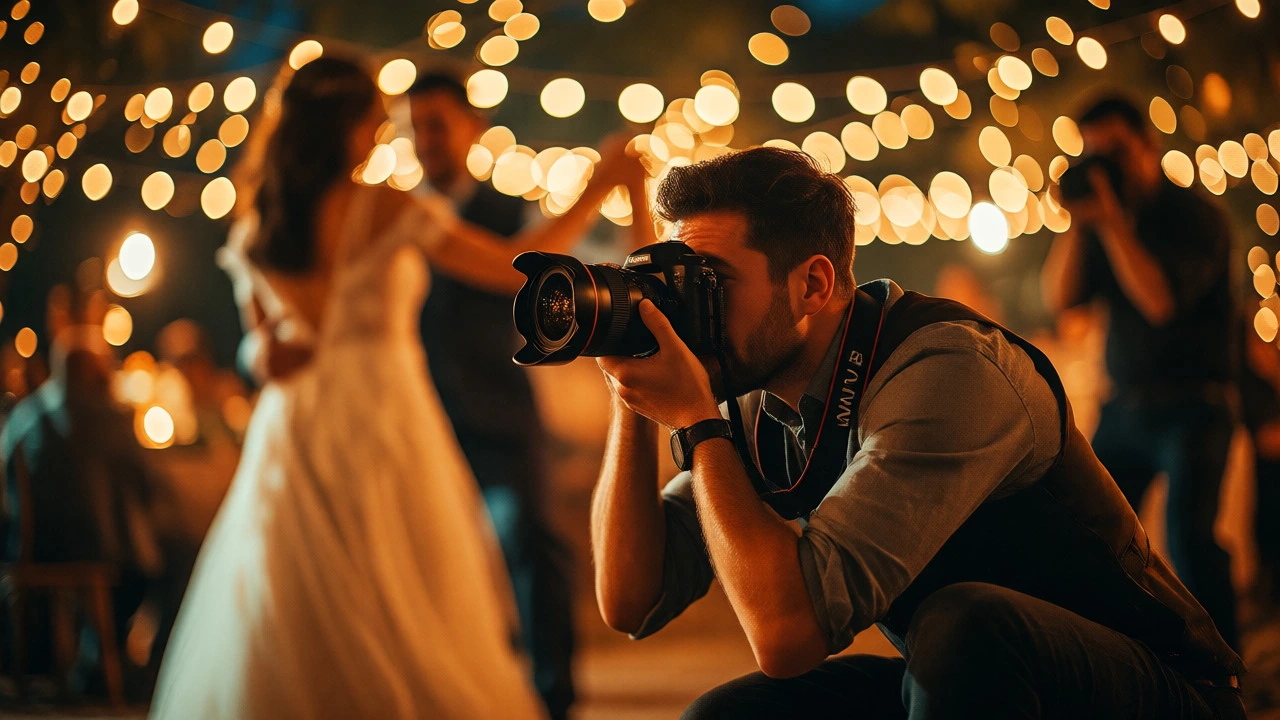
Most couples assume they are paying for the eight hours the photographer spends standing around holding a camera. That’s only part of the story. When you hire a professional, you’re paying for three distinct phases of work.
- Pre-Wedding Prep: Consultations, timeline planning, scouting locations, and reviewing contracts.
- The Event Day: The actual shooting time, which often includes travel, setup, and working through meals without breaks.
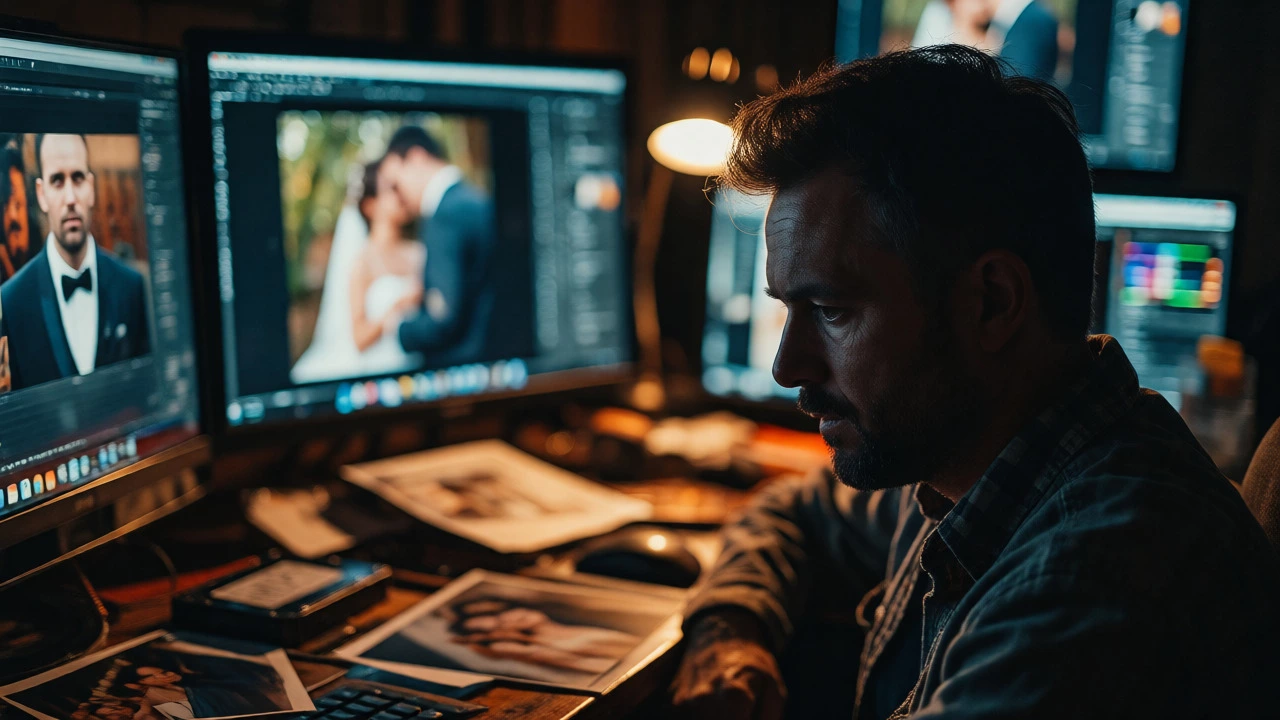
- Post-Production: This is the hidden giant. Editing 600-1,000 images takes roughly 3-5 minutes per photo. For a full-day shoot, that’s 30 to 80 hours of solo editing work.
Average costs in major US cities typically range from $3,000 to $5,000 for an 8-hour package. In smaller markets or rural areas, you might find quality photographers for $2,000 to $3,000. Luxury destinations or top-tier city photographers can easily command $7,000+. If you see a quote for $500, ask yourself: Are they editing the photos? Do they have backup equipment? Or are they just handing you a raw JPEG folder?
What Factors Actually Drive Up the Cost?
Not all photographers are created equal, and pricing reflects specific variables. Understanding these helps you decide where to splurge and where to save.
| Factor | Low Impact on Price | High Impact on Price |
|---|---|---|
| Experience Level | Newcomers building portfolios may charge $1,500-$2,500. | Established pros with 5+ years and consistent reviews charge $4,000+. |
| Coverage Hours | 6 hours covers ceremony and reception start. | 10-12 hours captures getting ready through last dance. |
| Second Shooter | Solo shooter handles main events. | Adding a second shooter doubles coverage angles but adds $500-$1,000. |
| Travel Requirements | Local venues within 20 miles. | Destination weddings requiring flights and hotels add $1,000-$3,000. |
| Deliverables | Digital files only via online gallery. | Includes albums, prints, and rights to print, adding $500-$2,000. |
Location matters significantly. A photographer in New York City has higher rent, insurance, and living costs than someone in Ohio. However, don’t dismiss local talent in favor of big-city names unless you specifically want their style. Many regional photographers offer exceptional value because their overheads are lower.
Hidden Fees You Need to Watch Out For
The base rate is rarely the final number. Contracts often include clauses that surprise couples who didn’t read the fine print. Here are common add-ons that can inflate your bill by 10-20%:
- Travel Fees: If your venue is more than 30-50 miles from the photographer’s home base, expect mileage charges ($0.50-$0.70 per mile) or flat travel fees.
- Overtime Rates: Weddings run late. If you book 8 hours but stay until 11 PM, overtime might cost $150-$300 per hour.
- Rush Delivery: Standard turnaround is 4-8 weeks. Want photos in 2 weeks? That’s usually a $500+ fee.
- Album Design: Some packages include a basic album; others charge $300-$800 just for the design labor, separate from the physical book cost.
Always ask for an "all-in" estimate during the consultation. Ask specifically: "Does this quote include travel, overtime buffer, and tax?" Getting this in writing prevents awkward checks after the honeymoon.
How to Determine Your Budget Sweet Spot
There’s no universal rule, but a common heuristic suggests allocating 10-15% of your total wedding budget to photography. If your total budget is $30,000, aiming for $3,000-$4,500 is reasonable. If your budget is tight ($10,000), you might need to cut back on flowers or catering to protect the photo budget, because bad photos are permanent, but wilted flowers are temporary.
Consider your priorities. Are you sharing every moment on social media? Then digital-only packages might suffice. Are you creating heirloom albums for grandchildren? Invest in printed products. Many photographers offer à la carte options. You might skip the engagement session (saving $300-$500) if you already have great casual photos together, focusing funds on the wedding day itself.
Red Flags When Comparing Quotes
Price isn’t the only metric. Value comes from reliability and professionalism. Be cautious if:
- No Contract: Handshake deals are risky. You need legal protection for both parties.
- Vague Deliverables: "You’ll get lots of photos" means nothing. Ask for the exact number of edited images.
- No Backup Equipment: Cameras fail. Lenses crack. Professional gear redundancy is non-negotiable.
- Portfolio Mismatch: If their recent work doesn’t match the style you love, don’t hire them hoping they’ll adapt. Style consistency indicates expertise.
Check reviews on multiple platforms, not just their website. Look for comments about punctuality, communication, and how they handled unexpected issues like rain or lighting changes.
Frequently Asked Questions
Is it worth paying extra for a second photographer?
Yes, if you have a large guest list (over 100 people) or complex logistics. A second shooter allows simultaneous coverage-for example, capturing the groom’s reaction while the first shooter photographs the bride. It ensures no key moments are missed due to positioning constraints.
Do I own the copyright to my wedding photos?
Typically, the photographer retains the copyright, but you receive a personal use license. This means you can print and share the photos freely, but the photographer can use them for marketing. Always clarify printing rights in the contract to avoid restrictions on how many copies you can make.
Why do some photographers charge less than others?
Lower prices often reflect less experience, fewer deliverables (e.g., no editing), or lower overhead costs. Some newcomers build portfolios at discounted rates. While this can be a great deal, ensure they have backup equipment and a clear contract to mitigate risks associated with inexperience.
Can I negotiate the price of wedding photography?
Rarely directly. Most photographers have fixed rates based on calculated hourly earnings and expenses. Instead of asking for a discount, ask to adjust the package scope. For example, reduce coverage hours from 10 to 8, or remove the engagement session, to fit your budget while maintaining quality.
What is the average turnaround time for wedding photos?
Standard delivery is 4 to 8 weeks. Sneak peeks (5-10 edited images) are often provided within 1-2 weeks. Rush services may promise 2-3 weeks but usually incur additional fees. Ensure the timeline aligns with any announcements or thank-you card deadlines.