Wedding Flower Timeline: When to Order Your Blooms
 Oct, 26 2026
Wedding Flower Timeline Planner
Enter your wedding date to see exactly when you need to book your florist, finalize details, and expect your blooms.
Your Wedding Details
Booking Window Progress
-- days until ideal booking deadline.
Pro Tip for Your Date:
Select a date to begin
We'll calculate your critical deadlines for sourcing and arranging flowers.
You’ve picked the venue, you’ve chosen the dress, and now you’re staring at a Pinterest board full of peonies and wondering if you’ve waited too long. It’s a common panic. Unlike your cake, which is made fresh that morning, or your photos, which happen in real-time, wedding flowers are perishable goods with a strict supply chain. If you miss the window, you might end up with wilted roses or a bill double what you expected.
The short answer? You need to start talking to florists 9-12 months out. But "getting" them-meaning finalizing designs, paying deposits, and confirming delivery-is a phased process. Here is exactly how to time it so your blooms look fresh, not frantic.
The Golden Window: 6-12 Months Out
This is when you book. Not just any florist, but the one who can actually deliver on your date. In major cities like Melbourne or Sydney, top-tier florists get booked out for popular dates (Saturdays in spring) over a year in advance. If you’re marrying in peak season (October-December), aim for the 12-month mark.
Why so early? Because availability dictates design. A florist can’t promise you imported Dutch tulips in July if they only have local stock. By booking early, you lock in:
- Date Availability: Securing the team’s time.
- Budget Lock-in: Prices fluctuate with fuel costs and import rates.
- Design Consultation: Time to refine sketches without pressure.
If you’re working with a smaller, local florist, 6 months is often enough. But don’t gamble. A quick call at month 10 costs nothing; scrambling at month 3 could cost you your dream arrangement.
Finalizing Details: 4-8 Weeks Before
Once the contract is signed and the deposit paid, you enter the "refinement" phase. This is where most couples make mistakes by going silent. You should be in active communication with your floral designer during this period.
At the 8-week mark, finalize the guest count for table centerpieces. Florists buy stock based on these numbers. If you cut 20 guests last minute, you might still pay for those flowers unless you notified them earlier. Conversely, if you add tables, you need lead time to source extra vases and greenery.
Use this window to confirm specifics:
- Color Palette Tweaks: Did the bridesmaid dresses change shade? Tell the florist now.
- Venue Logistics: Where exactly do the flowers go? Are there hooks for hanging installations?
- Delivery Times: Does the ceremony start at 2 PM? The flowers need to be set up by 11 AM.
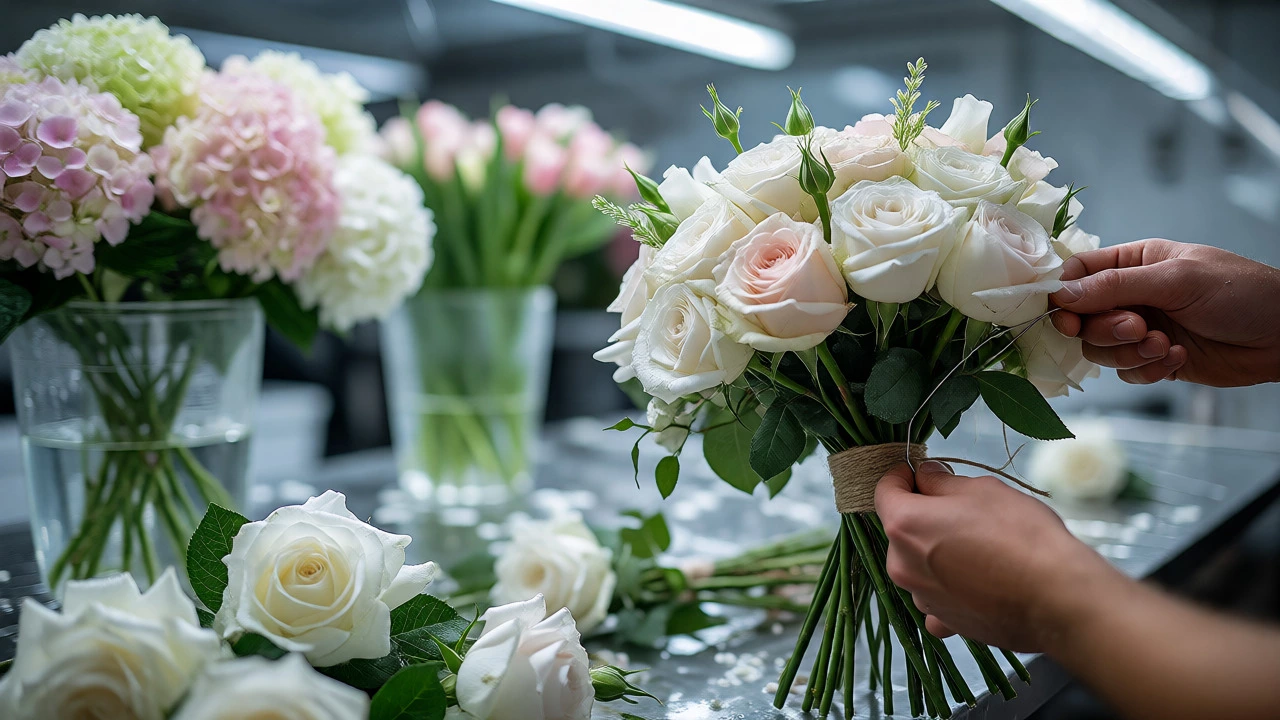
The Critical 7-Day Countdown
This is the most important week. For most high-end weddings, the actual cutting and arranging happen here. Why? Freshness. A rose cut today looks vibrant on Saturday. A rose cut two weeks ago is tired.
Here’s what happens in the final days:
| Timeframe | Action Item | Who Handles It |
|---|---|---|
| 7 Days Out | Florist places orders with growers/importers for specific stems. | Florist |
| 3-5 Days Out | Flowers arrive at studio. They are processed (cleaned, hydrated). | Florist Team |
| 1-2 Days Out | Arrangements are built. Bouquets wrapped and chilled. | Lead Designer |
| Day Of | Transport to venue. Setup and styling. | Delivery Crew |
If you’re doing DIY flowers, this timeline compresses. You’ll likely buy from a wholesale market 2-3 days before the wedding. That means you need cooler space at home and hands to help strip thorns and wire stems.
DIY vs. Professional: Timing Implications
If you’re hand-tied bouquets yourself, your "order" date changes completely. You aren’t waiting on a vendor’s schedule; you’re managing inventory.
For DIY wedding flowers, the rule of thumb is:
- Wholesale Market Trip: 2-3 days before the event. Go early (6 AM) for best selection.
- Prep Work: Start cleaning and wiring 2 days out. Don’t wait until the night before-you’ll be exhausted.
- Assembly: Build bouquets the day before. Store them in buckets of water in a cool room (not the fridge, unless it’s dedicated, as fruit emits ethylene gas that kills flowers).
Professional florists handle the sourcing chaos. You handle the vision. If you’re stressed about logistics, hire the pro. If you’re stressed about budget, DIY saves money but costs time. Weigh that carefully.
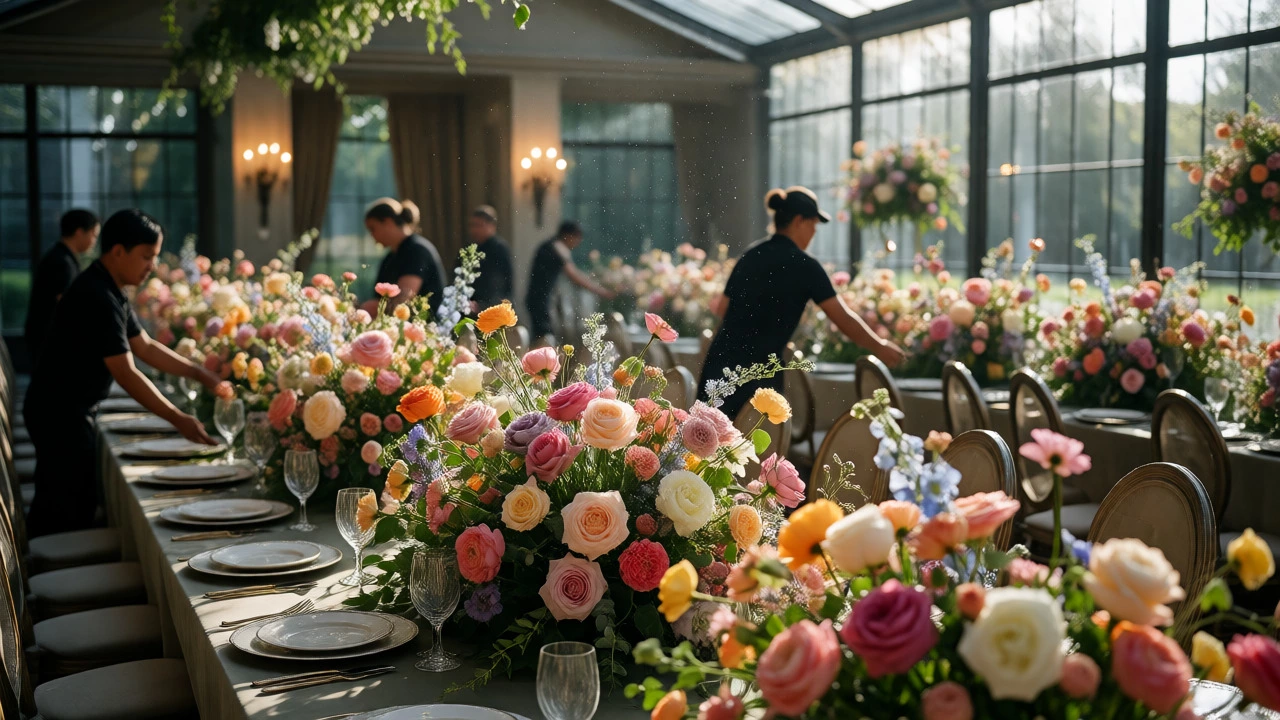
Seasonal Risks and Last-Minute Swaps
Australia’s climate varies wildly. A summer wedding in Queensland faces different risks than a winter wedding in Tasmania. Heat is the enemy of delicate blooms like garden roses or ranunculus.
If you’re marrying in January, ask your florist about heat-resistant alternatives. Hydrangeas wilt fast in humidity. Sunflowers hold up well. Know your season’s constraints. If you ordered off-season flowers (like peonies in November), expect to pay a premium or accept substitutions. Communicate this flexibility early. A good florist will suggest swaps that keep the vibe intact without breaking the bank.
What If You’re Late?
Marrying in three months? Don’t panic. Many florists have cancellation lists. Call around. Be flexible on colors and types. Offer to take whatever seasonal blooms are available. You might get a better deal because you’re low-risk for them (no long-term commitment). Just move fast.
How far in advance should I book my wedding florist?
Ideally, 9-12 months in advance, especially for peak seasons (spring/summer) and Saturdays. For off-peak weekdays or smaller local florists, 4-6 months may suffice, but earlier is always safer to secure preferred designers.
When are wedding flowers actually delivered?
Most professional florists deliver and set up on the morning of the wedding, typically 2-4 hours before the ceremony starts. Some complex installations may require setup the previous evening, but this is rare for standard arrangements.
Can I change my flower order after signing the contract?
Yes, but usually only up to 4-6 weeks before the wedding. After that, the florist has already purchased specific stock. Changes late in the game may incur extra fees or result in substitutions rather than exact matches.
Do I need to tip my wedding florist?
Tipping isn't mandatory in Australia like it is in the US, but it's appreciated for exceptional service. If the florist goes above and beyond (e.g., staying late for setup), a small gratuity or a thoughtful thank-you gift is a nice gesture.
What happens if it rains on my outdoor wedding?
Discuss a wet-weather plan with your florist early. They can use waterproof containers, weighted bases for tall arrangements, or choose flowers that tolerate moisture better. Ensure the venue has backup indoor spaces ready for quick relocation.