Wedding Car Protocol: Etiquette, Logistics, and Tips for Couples
 Oct, 29 2026
Wedding Car Logistics & Tip Calculator
Transport Details
Your Wedding Transport Plan
Picture this: You’re standing in your foyer, dress perfectly pressed, makeup flawless. The doorbell rings. It’s the driver. But wait-should you get in first? Does the groom need to see you before the ceremony? What if the car is too small for your train? Wedding car protocol isn’t just about showing up on time; it’s a delicate dance of tradition, logistics, and personal preference that can make or break the morning’s vibe.
Many couples obsess over the flowers and the cake but overlook the transport plan. Yet, the way you arrive sets the tone for the entire day. Whether you are driving a vintage Bentley or coordinating a fleet of modern sedans, understanding the unspoken rules saves stress and ensures smooth transitions from home to venue to reception.
The Golden Rule: Who Rides Where?
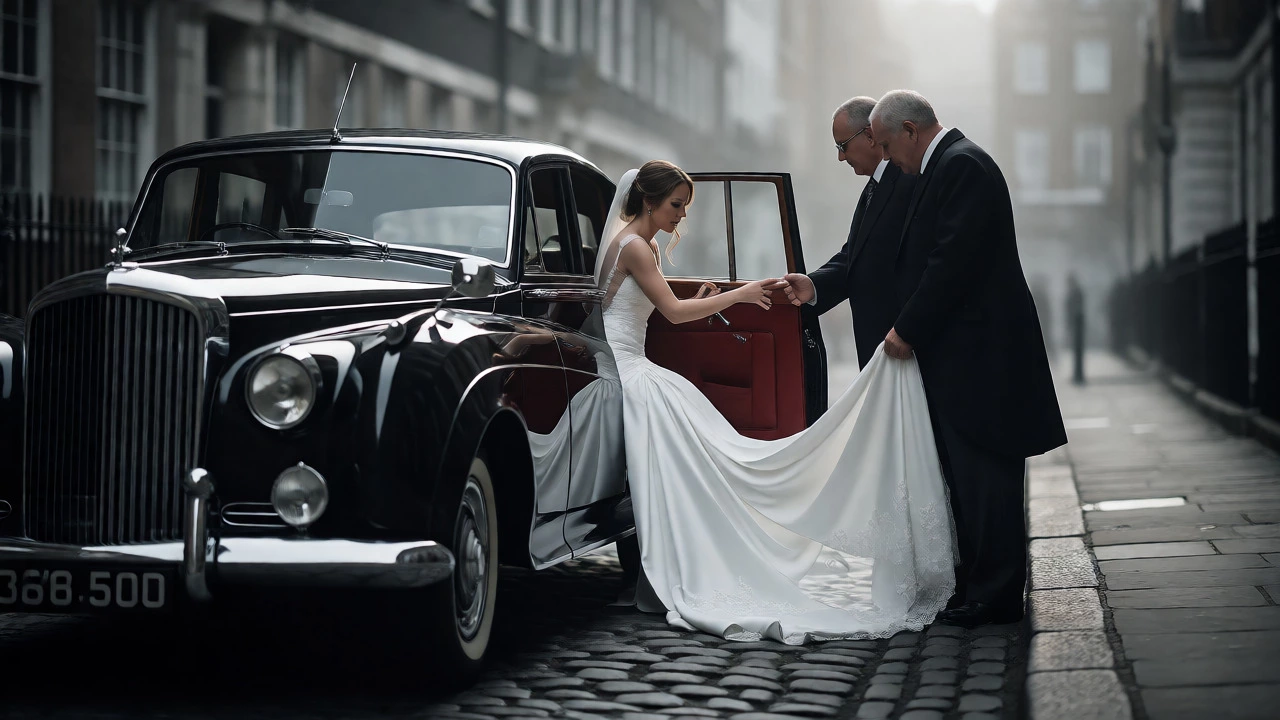
There is no single law here, but there are strong traditions. In most Western weddings, the bride travels with her father or chosen escort. This is often seen as a final moment of bonding before the "giving away" part of the ceremony. The bridesmaids typically follow in separate vehicles. Why? Because getting seven women into one luxury sedan is a recipe for crushed hair and ruined dresses. Unless you have a limousine or a party bus, split them up.
The groom usually travels alone or with his best man. Some couples prefer to see each other before the ceremony (a "first look"), which changes the seating arrangement entirely. If you opt for a first look, the groom might drive to the location where he meets the bride, or they might take separate cars to a neutral spot. Decide this early. Your photographer needs to know exactly who is in which car and when they will be visible.
Timing Is Everything
Arriving late is the cardinal sin of wedding transport. But arriving too early creates its own chaos. A crowded lobby with twenty guests waiting while you try to find a bathroom is not the serene start you imagined. Aim to arrive at the ceremony venue 30 to 45 minutes before the scheduled start time. This gives you time to settle, touch up makeup, and greet any early-arriving VIPs without feeling rushed.
Here is a realistic timeline buffer you should build into your schedule:
- Preparation Buffer: Add 15 minutes to every transition. Hair takes longer than planned. Shoes pinch. Someone forgot their phone.
- Traffic Contingency: Check traffic apps the night before and the morning of. In Melbourne, for example, avoiding peak hour means leaving the suburbs by 9:30 AM if your city venue starts at noon.
- Photo Time: Factor in travel time between locations. If you want photos at a beach and then move to a church, calculate the drive plus parking time. Parking near venues is rarely immediate.

Choosing the Right Vehicle Size
This is where many couples go wrong. They book a beautiful convertible because it looks great in Instagram photos, only to realize their voluminous ballgown won’t fit through the door. Or worse, the headrest crushes the elaborate updo.
Measure your dress. Not just the length, but the width of the skirt and the height of your hairstyle. If you are wearing a cathedral train, a standard sedan is out. You need a vehicle with a large trunk or an open-top design that allows the train to spill out behind you. For the groom, consider the suit. A three-piece suit with a long coat might feel cramped in a low-roof sports car. Comfort matters more than aesthetics when you are sweating under stage lights later.
| Vehicle Type | Best For | Common Pitfalls |
|---|---|---|
| Vintage Classic (e.g., Rolls-Royce) | Traditional aesthetics, short trains | Limited legroom, difficult entry/exit, potential mechanical reliability issues |
| Luxury Sedan (e.g., Mercedes S-Class) | Privacy, climate control, ease of access | Might be too tall for low-ceilinged historic venues |
| Convertible | Good weather, dramatic entrances | Wind damage to hair/makeup, temperature drops, security concerns |
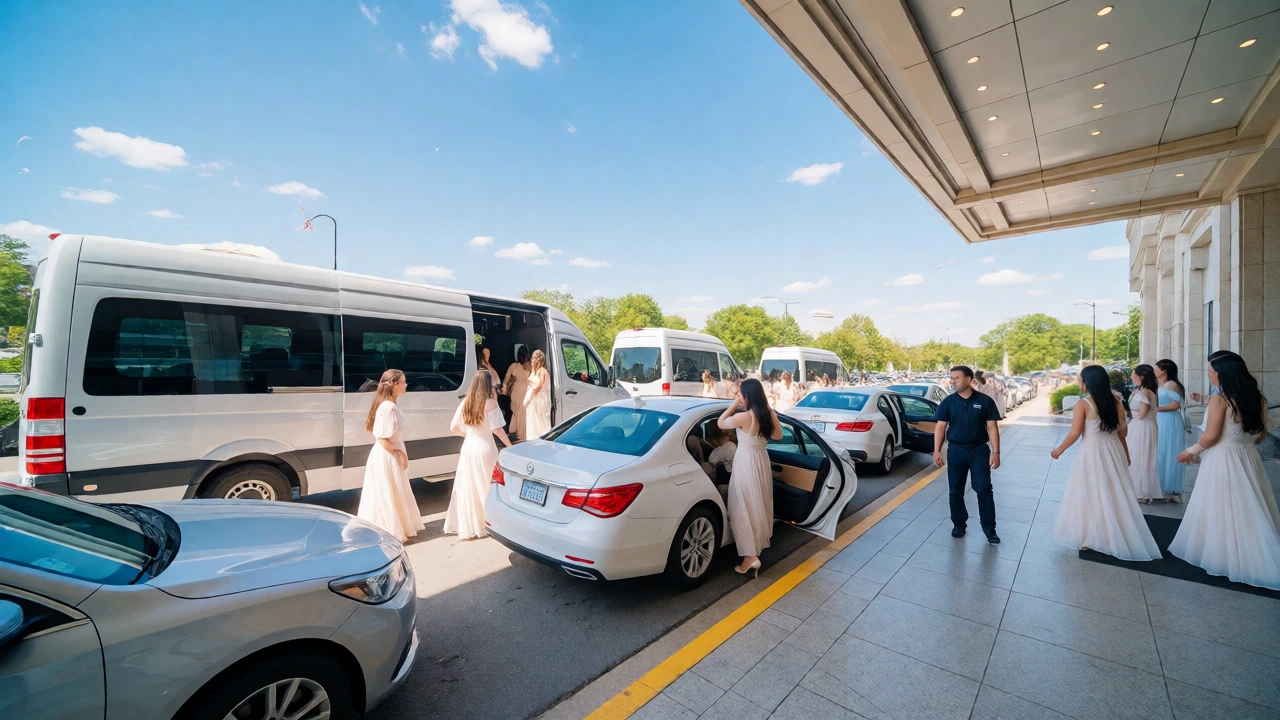
| Sprinter Van / Party Bus | Bridal party group travel, changing clothes en route | Lacks intimacy, harder to park in tight city spots |
Etiquette for Drivers and Guests
If you hire a professional chauffeur, treat them like staff. Tip them appropriately (usually 15-20% of the service cost) and provide clear instructions. Do not expect them to carry heavy luggage unless specified. Ensure they have a copy of the full itinerary and mobile numbers for key contacts, not just the couple. Things go wrong; the driver needs someone else to call if you are unreachable.
For guest shuttles, clarity is king. If you are providing transport for out-of-town relatives, send them a digital map pin and a pickup time. Ambiguity leads to missed buses. Assign a "transport coordinator" among your wedding party-someone whose job is simply to herd people onto the vans. It is not the maid of honor’s job if she is busy fixing the bride’s veil. Delegate.
The Return Trip and Reception Arrival
The journey back to the reception is often overlooked. After the ceremony, emotions are high, and adrenaline is pumping. You might forget essentials like your clutch bag or the ring box. Designate one person to do a final sweep of the ceremony car before it leaves.
When you arrive at the reception, decide how you want to enter. Do you walk in together to applause? Do you enter separately to create suspense? Coordinate with the MC. If the car parks far from the entrance, arrange for umbrellas if rain is forecast. Nothing ruins a silk gown faster than a sudden downpour and a wet carpet.
Contingency Planning for Disasters
Cars break down. Accidents happen. Drivers get lost. Have a Plan B. Keep a local taxi app installed on your phone. Know the name of a nearby rental agency. If your vintage car stalls, having a backup luxury sedan on standby (even if you pay extra for the reservation) saves the day. Discuss these scenarios with your transport provider beforehand. Ask them: "What happens if the primary vehicle fails?" Their answer tells you everything about their professionalism.
Should the bride and groom ride together to the ceremony?
Traditionally, no. The bride rides with her father or escort, and the groom rides alone or with his best man. However, if you are doing a "first look," you may choose to ride together or meet at a separate location. Choose what feels comfortable for you both.
How much should I tip my wedding car driver?
A standard tip is 15-20% of the total booking cost. If the driver goes above and beyond-helping with bags, navigating traffic smoothly, or waiting patiently-consider tipping closer to 20%. Cash is appreciated, but digital payments work too.
What if my wedding dress doesn't fit in the car?
This is why measuring your dress and hairstyle is critical during the booking phase. If it's already booked, ask the driver to remove the front passenger seat if possible, or fold the train carefully inside. Having a seamstress kit handy for minor adjustments is also wise.
Do we need a car for the whole day?
Not necessarily. Many couples hire a car for the ceremony and another for the reception transfer. Others use the same car all day. Consider the distance between venues. If they are close, walking might be better. If far, ensure the car is available for the return trip after the reception ends.
Who pays for the wedding cars?
Traditionally, the groom's family pays for the bride's car, and the bride's family pays for the groom's. However, modern couples often cover these costs themselves. There is no strict rule anymore; discuss it openly with your families to avoid awkwardness.