Wedding Cake vs Cupcakes Cost Breakdown: Which Is Cheaper for Your Big Day?
 Aug, 2 2026
Wedding Dessert Cost Calculator
Estimate the true cost of your wedding dessert by comparing a traditional tiered cake against cupcakes. Includes estimates for waste, delivery, and setup based on current market rates.
Your Details
Estimated Comparison
Enter your details and click "Compare Costs" to see which option saves you money.
Traditional Cake
$0
- Base Food: $0
- Dietary Mod: $0
- Delivery: $0
Cupcakes + Stand
$0
- Base Food: $0
- Stand Fee: $0
- Dietary Mod: $0
- Delivery: $0
Did You Know?
For cupcakes, we calculated a 15% buffer in quantity. Because cupcakes are grab-and-go, guests often take extras or forget them, so ordering slightly more ensures everyone gets one. Cakes don't require this buffer as leftovers are easily stored.
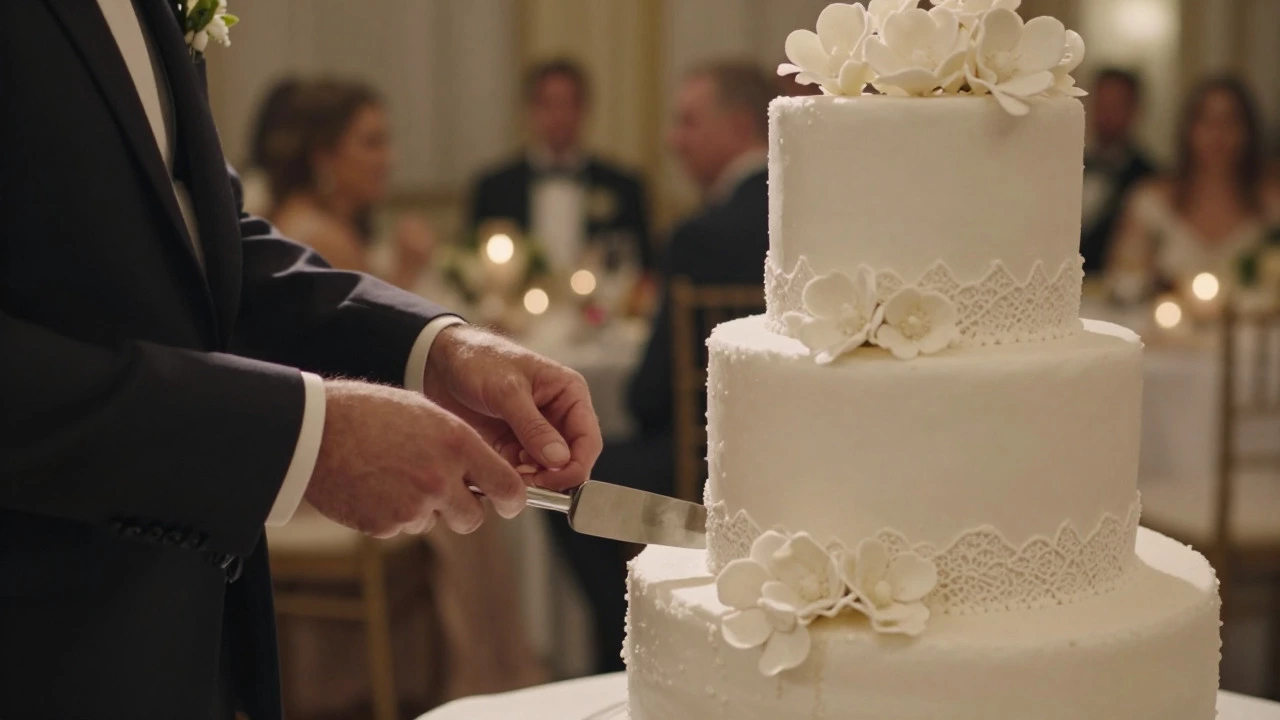
Here is the short answer that usually surprises couples: a traditional tiered wedding cake is almost always cheaper per slice than cupcakes. If you are looking strictly at the bottom line for feeding 150 guests, a multi-tier cake will likely save you hundreds of dollars compared to an individual cupcake tower. However, if your priority is avoiding waste and offering variety, cupcakes might feel like better value even if the sticker price is higher.
In Melbourne’s current baking market, prices have shifted significantly since 2023. With ingredient costs rising and labor rates adjusting, bakers are charging more for the intricate labor involved in both styles. To make the right choice, we need to look beyond just the price per item. We have to consider serving sizes, presentation fees, and how many guests actually eat dessert.
The Real Cost Per Slice: Cake vs. Cupcake
When you ask a baker for a quote, they often give you a total package price. This makes direct comparison tricky. Let’s break it down into the metric that matters most: cost per person served.
A standard wedding cake slice is typically cut to serve two people (a 1-inch by 4-inch wedge). In Melbourne, professional bakers currently charge between $18 and $25 per slice for buttercream or fondant cakes. For a guest list of 150 people, you would need roughly 75 slices. At an average of $22 per slice, your total comes to approximately $1,650.
Cupcakes are different. One cupcake equals one serving. The average price for a decorated cupcake from a reputable Melbourne bakery ranges from $6 to $9 each. If you order 150 cupcakes at $7.50 each, the total hits $1,125. Wait-that looks cheaper, right? Not so fast.
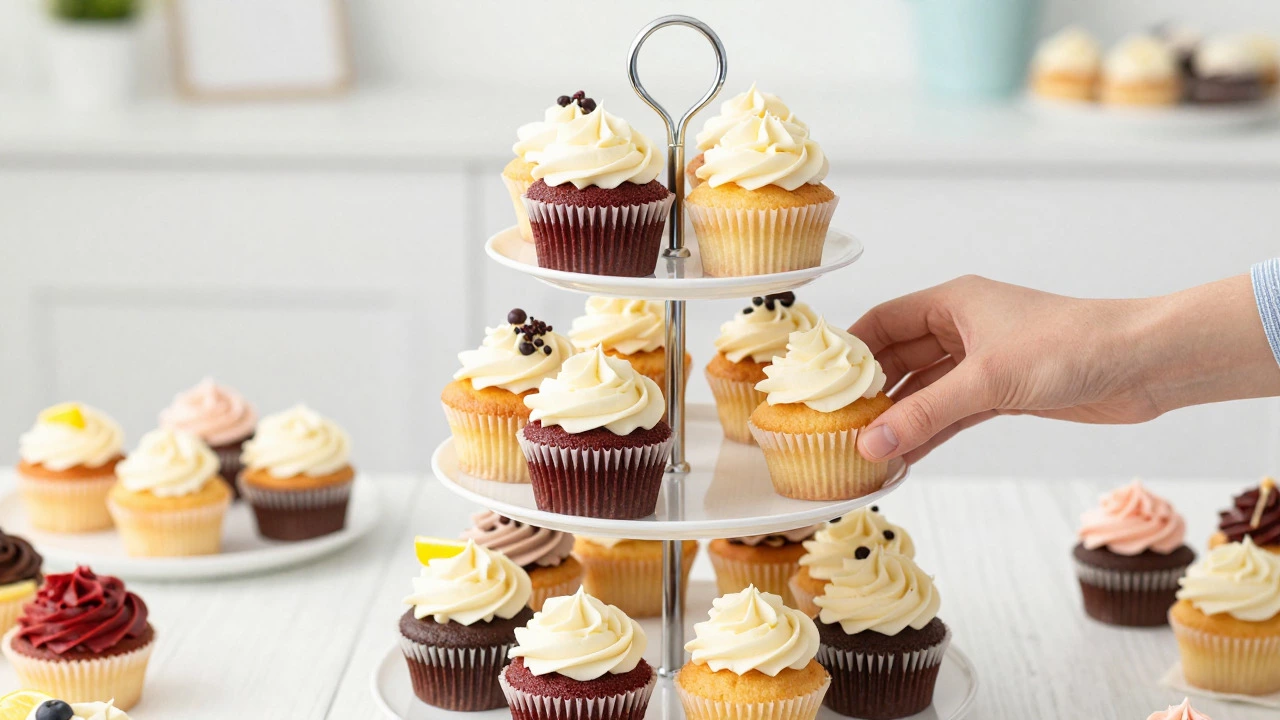
Here is where the math gets interesting. Most wedding cakes include the structural tiers, the display stand, and the cutting ceremony centerpiece. Cupcakes require a separate display structure, often called a "cupcake tree" or tiered stand. These rental or construction fees can add $150 to $300 to your bill. Furthermore, many couples underestimate how many cupcakes they need. Unlike a cake where leftovers are shared, cupcakes are grab-and-go. People take them, put them in bags, and sometimes forget them. You often need to order 10-15% more cupcakes than your headcount to ensure everyone gets one if they want it.
| Item | Traditional Tiered Cake | Cupcake Tower |
|---|---|---|
| Base Price Per Serving | $18 - $25 per slice | $6 - $9 per cupcake |
| Estimated Total (Food Only) | $1,350 - $1,875 | $900 - $1,350 |
| Display/Stand Fee | Usually Included | $150 - $300 extra |
| Waste Factor | Low (leftovers saved) | High (grab-and-go loss) |
| Total Estimated Cost | $1,350 - $1,875 | $1,050 - $1,650 |
As you can see, the gap is narrowing. A simple sheet cake with minimal decoration can be as cheap as $15 per slice, beating cupcakes easily. But a highly detailed fondant cake with sugar flowers pushes the price up, making premium cupcakes a viable competitor.
Hidden Costs That Bakers Don't Always Highlight
Beyond the base price, several factors influence the final bill. Understanding these helps you negotiate or adjust your expectations.
- Tasting Fees: Many Melbourne bakers charge $50-$100 for tastings. Some waive this if you book; others don't. Check this upfront.
- Delivery and Setup: Delivering a heavy three-tier cake requires two people and careful handling. Delivery fees range from $50 to $150 depending on distance from the bakery. Cupcakes are lighter but bulkier; delivery fees are similar but setup time is longer because arranging 150+ cupcakes takes precision.
- Dietary Restrictions: If you need gluten-free or vegan options, expect a 15-20% surcharge. With a cake, you might only need one special tier. With cupcakes, you may need half the batch modified, doubling the complexity and cost.
- Design Complexity: A smooth buttercream finish is standard. Hand-piped lace, realistic sugar roses, or airbrushed designs add labor hours. Each hour of decorator time adds roughly $40-$60 to the final price.
Why Cupcakes Might Feel Like Better Value
Even if the total cost is slightly higher, some couples prefer cupcakes for practical reasons that save money elsewhere.
Portion Control is a big factor. At weddings, alcohol consumption leads to less dessert eating. With a cake, you buy a fixed amount. If only 50% of guests eat cake, you still paid for 100%. Leftover cake is delicious, but it must be refrigerated and eaten within days. Cupcakes are pre-portioned. If guests don’t take one, you haven’t wasted the effort of cutting it. While you technically "wasted" the unsold cupcake, you avoided the labor of slicing and plating.
Flavor Variety is another advantage. A traditional cake usually offers one or two flavors. Cupcakes allow you to offer four or five varieties-vanilla bean, red velvet, lemon poppy seed, chocolate fudge. This satisfies diverse tastes without needing multiple large cakes. For a crowd, this variety increases perceived value significantly.
Finally, Logistics. Cutting a tall cake requires a specific moment in the reception timeline. It needs a server, a knife, and attention. Cupcakes are self-service. Guests grab what they want and move on. This frees up your catering staff and keeps the flow of the evening smoother, potentially saving you on service charges if your venue charges per hour of staff presence.
When a Traditional Cake Wins on Budget
If your primary goal is minimizing expense, a traditional cake is still the king of efficiency. Here is why:
Economy of Scale applies to baking. It takes less time and fewer ingredients to bake three large round layers than it does to bake, fill, and frost 150 individual cups. The frosting-to-cake ratio is lower in a large cake. You spend less on packaging (no individual liners or boxes) and less on labor per gram of product.
Additionally, a Sheet Cake Alternative is worth considering. If you don’t care about the towering aesthetic, ask your baker for a single-layer sheet cake decorated simply. This can drop the cost to $12-$15 per slice. It lacks the drama of a tiered cake but serves the same function at a fraction of the price of cupcakes.
Another consideration is Leftover Utility. A tiered cake can be dismantled and stored. Many couples freeze their top tier or the entire cake to enjoy later. Cupcakes dry out faster due to their surface area exposure. If you plan to keep leftovers, a cake is more versatile.
Hybrid Options: Getting the Best of Both Worlds
You don’t have to choose exclusively. Many modern weddings in Australia use a hybrid approach to balance cost, aesthetics, and guest experience.
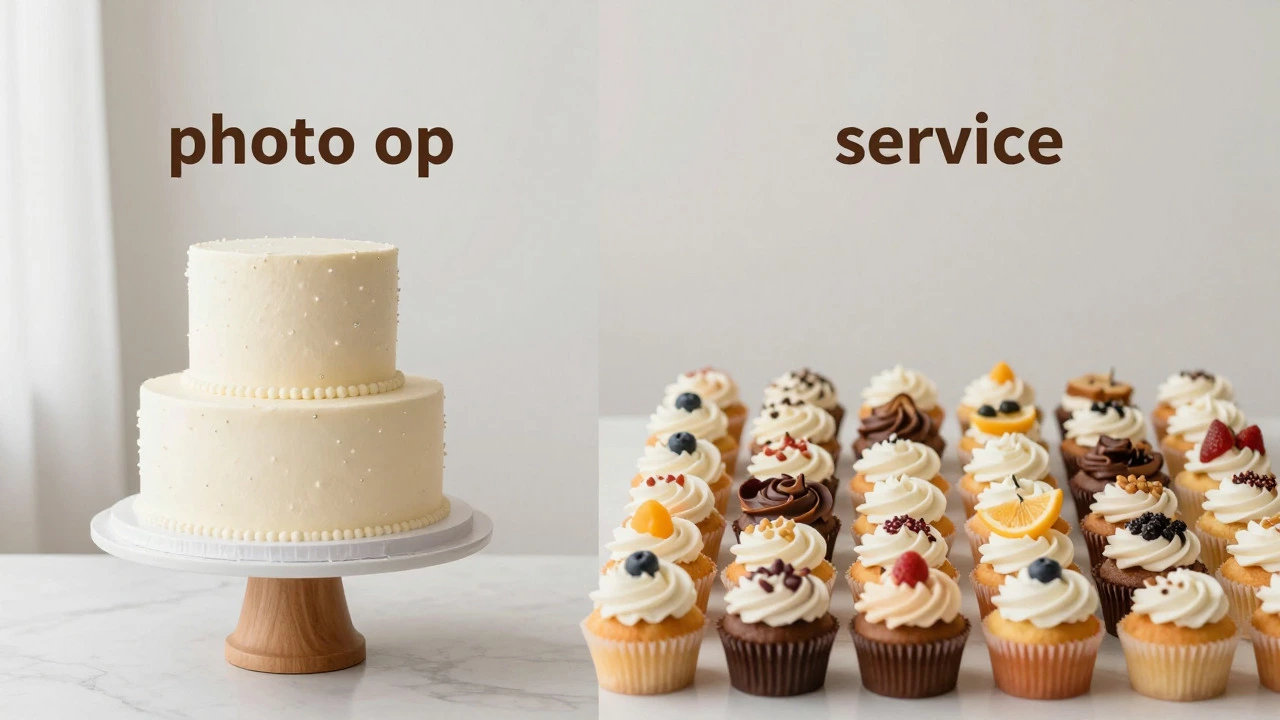
Cake Display + Cupcake Service is popular. You order a small, beautiful two-tier cake (just for photos and the cutting ceremony) and supplement it with a large batch of cupcakes for actual consumption. The small cake might cost $400, and the cupcakes $900, totaling $1,300. This gives you the Instagram-worthy photo op without paying for a massive, expensive structure that mostly sits there.
Another option is Cake Pops or Trifle. These are often cheaper than cupcakes and easier to manage. Cake pops can be made from leftover cake scraps, reducing waste. Trifles served in glasses are elegant and inexpensive to produce.
Questions to Ask Your Baker Before Booking
To get an accurate comparison, ask these specific questions when contacting Melbourne-based bakers:
- "Does the price include delivery and setup within the CBD/suburbs?"
- "What is the exact serving size for your cake slices?" (Ensure it's not a tiny 1x3 inch slice marketed as a full serving.)
- "Is there a minimum order quantity for cupcakes?"
- "Do you charge extra for dietary modifications like gluten-free or vegan?"
- "Can I see examples of your cupcake stands? Are they included in the price?"
- "What happens if we have leftover cake or cupcakes? Can we take them home?"
Getting quotes from at least three bakers is essential. Prices vary wildly based on reputation and location. A boutique bakery in South Yarra may charge double what a reliable home-based baker in the outer suburbs charges for similar quality.
Is it cheaper to do cake or cupcakes for wedding?
Generally, a traditional wedding cake is cheaper per serving than cupcakes. Cakes benefit from economies of scale, while cupcakes require individual preparation and packaging. However, simple sheet cakes can be very affordable, while elaborate fondant cakes can exceed cupcake costs.
How much does a wedding cake cost in Melbourne 2026?
In 2026, expect to pay between $18 and $25 per slice for a professional wedding cake in Melbourne. For a standard 150-guest wedding, this totals approximately $1,350 to $1,875, including basic design and delivery.
Are cupcakes a good alternative to wedding cake?
Yes, cupcakes offer variety, portion control, and ease of service. They are ideal for casual receptions or when you want to offer multiple flavors. However, they often cost more per person and require additional display fees.
Can I mix cake and cupcakes for my wedding?
Absolutely. A common strategy is to order a small decorative cake for the cutting ceremony and supplement with cupcakes for guest consumption. This balances aesthetics with budget and convenience.
Do I need to pay extra for gluten-free wedding desserts?
Most bakers charge a 15-20% premium for gluten-free or vegan options due to specialized ingredients and separate preparation areas to avoid cross-contamination.