The Most Expensive Months for Weddings: Cost Trends and Flower Pricing
 Apr, 30 2026
Wedding Budget & Season Estimator
Cost Estimate
Quick Takeaways on Wedding Costs
- June and September are typically the most expensive months due to peak demand.
- Floral costs spike when high-demand blooms (like peonies) are out of season.
- Off-peak months (January to March) offer the best leverage for price negotiations.
- Choosing local, seasonal greenery can slash your flower budget by 20-40%.
The High Cost of Peak Season
When we talk about the most expensive wedding month, June is almost always the front-runner. It's the start of the summer bloom, the weather is generally reliable, and it's a cultural hotspot for marriages. Because every venue and florist is booked to the brim, they can charge a premium. This is known as "peak pricing," where the demand far outweighs the available dates. September is a close second. It's the sweet spot where the oppressive summer heat fades, but the autumn chill hasn't set in yet. In the wedding industry, this creates a secondary peak. If you try to book a high-end florist for a Saturday in September, you'll often find that their base package prices jump up because they simply don't need to discount to fill their calendar. But why does the month matter so much for flowers specifically? It comes down to the Agricultural Cycle. Most flowers are grown in specific climates. When a flower is in its natural blooming window, it's cheaper because it's abundant. When you want a "summer look" in the middle of October, your florist has to fly those stems in from the opposite hemisphere-likely from South America or Africa-which adds massive shipping costs and import taxes to your bill.Breaking Down the Floral Price Peaks
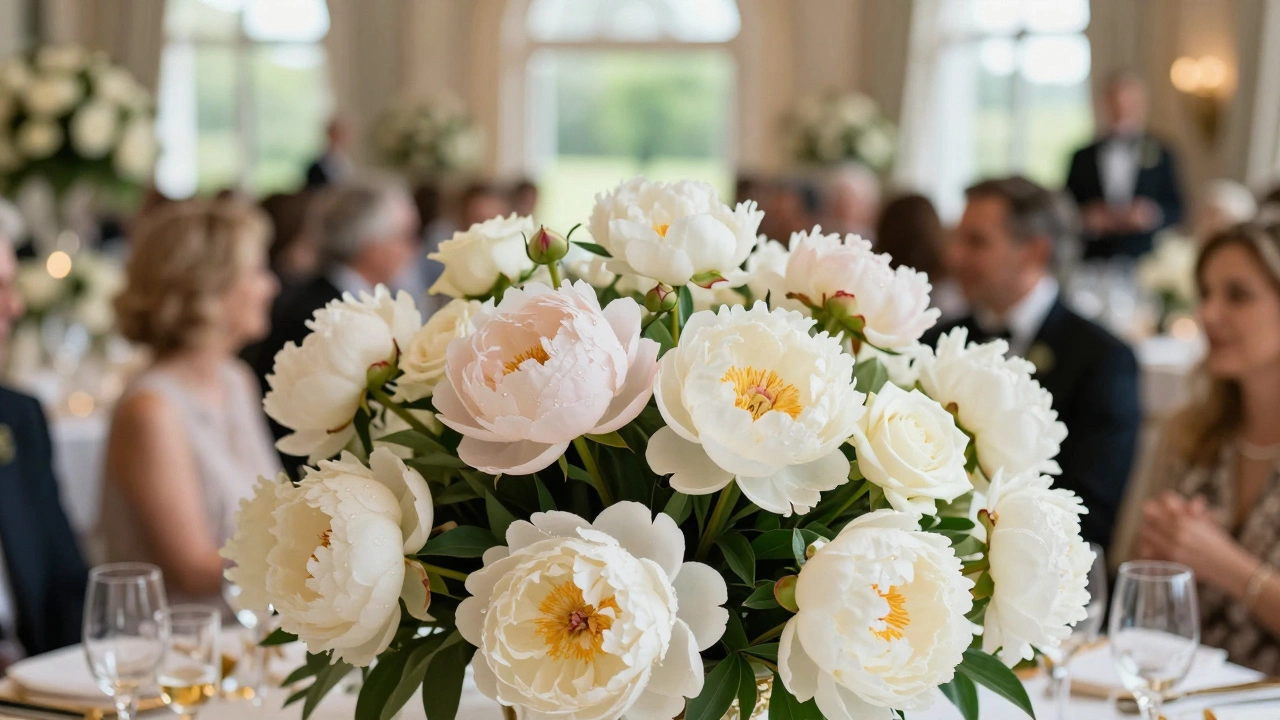
Floral costs aren't flat across the year. There are specific "danger zones" where prices skyrocket. For example, if you are dead-set on Peonies, you're fighting a very narrow window. These blooms are stunning but fleeting. If you try to get them in July or August, you're paying a premium for "off-season" imports. A bouquet that costs $200 in May could easily jump to $400 in August simply because the local supply has vanished. Then you have the Valentine's Day effect. If your wedding falls in February, specifically around the 14th, the cost of roses and lilies goes through the roof. Florists are battling for limited stock to satisfy both wedding clients and the millions of people buying single bouquets. This creates a pricing bubble that can last for several weeks surrounding the holiday.| Season | Price Level | Demand Driver | Key Floral Cost Impact |
|---|---|---|---|
| Spring (March-May) | High | Fresh blooms, renewal themes | Tulips and Peonies are peaking |
| Summer (June-Aug) | Very High | Peak wedding season | High shipping costs for rare imports |
| Autumn (Sept-Nov) | High | Ideal weather, harvest themes | Dahlias and Mums are affordable |
| Winter (Dec-Feb) | Moderate/Low | Holiday disruptions | Extreme cost for imported summer blooms |
The Hidden Cost of 'Perfect' Weather
It isn't just the flowers. When you choose a month like June or September, you're competing with thousands of other couples for the same Wedding Venues. Venues often have tiered pricing. A venue might charge $5,000 for a Saturday in June but only $2,500 for a Saturday in November. This price creep extends to the Wedding Photographers and catering teams. During the most expensive months, these vendors are at maximum capacity. When they have ten inquiries for one date, they don't need to offer discounts. In contrast, during the "slow' months-typically January and February-you have significantly more room to negotiate. You might find a photographer willing to waive a travel fee or a florist who will throw in extra centerpieces just to keep their team busy during the lull.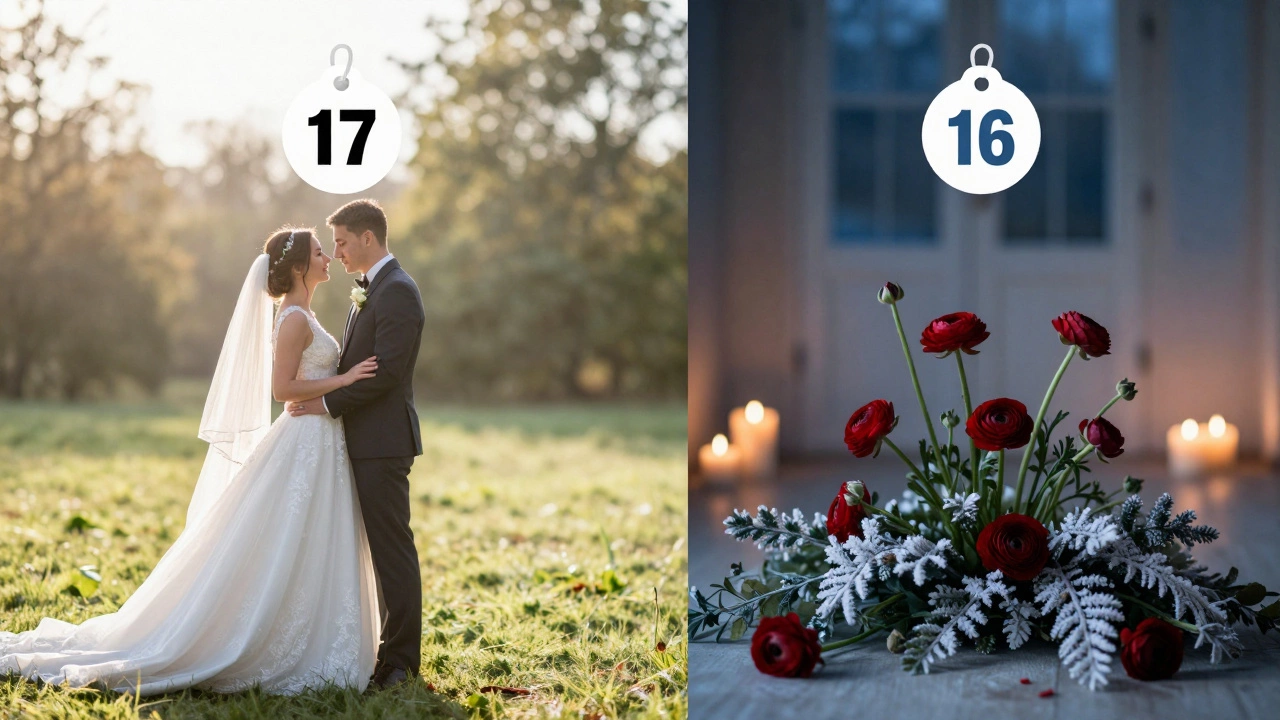
How to Cheat the Calendar
If you want the look of a June wedding without the June price tag, you have to be strategic. The biggest mistake couples make is choosing the flower first and the date second. If you flip that, you can save thousands. Instead of asking for a specific flower, ask your florist what is peaking in the month you've chosen. For instance, instead of fighting for expensive, imported roses in the dead of winter, look toward Winter Greens, anemones, or ranunculus. These are naturally available and look high-end without the "import tax." Using a lot of foliage-like eucalyptus or ferns-is another pro move. Greenery is generally cheaper than blooms and fills space more effectively, making your arrangements look lush and expensive while keeping the actual cost down. Another trick is the "shoulder date." If you can't do a winter wedding, try the very beginning of May or the very end of October. These dates often sit just outside the peak pricing brackets of the mid-summer and mid-autumn rushes, allowing you to snag lower rates from venues and vendors while still enjoying decent weather.Avoiding the 'Premium' Pitfalls
Many couples fall into the trap of following Pinterest trends without checking the calendar. If a celebrity had a wedding in July with a wall of white peonies, everyone suddenly wants that in July. But peonies aren't in peak season in July. You're essentially paying for a logistics miracle. To avoid this, stick to the Local Sourcing rule. The further a flower has to travel, the more you pay. In Australia, for example, utilizing native flora like Proteas or Banksias can drastically reduce costs because they don't require the same climate-controlled shipping as a delicate English rose. Not only are they more sustainable, but they also hold up better in the heat, meaning you spend less on replacement stems if a few wilt during the ceremony.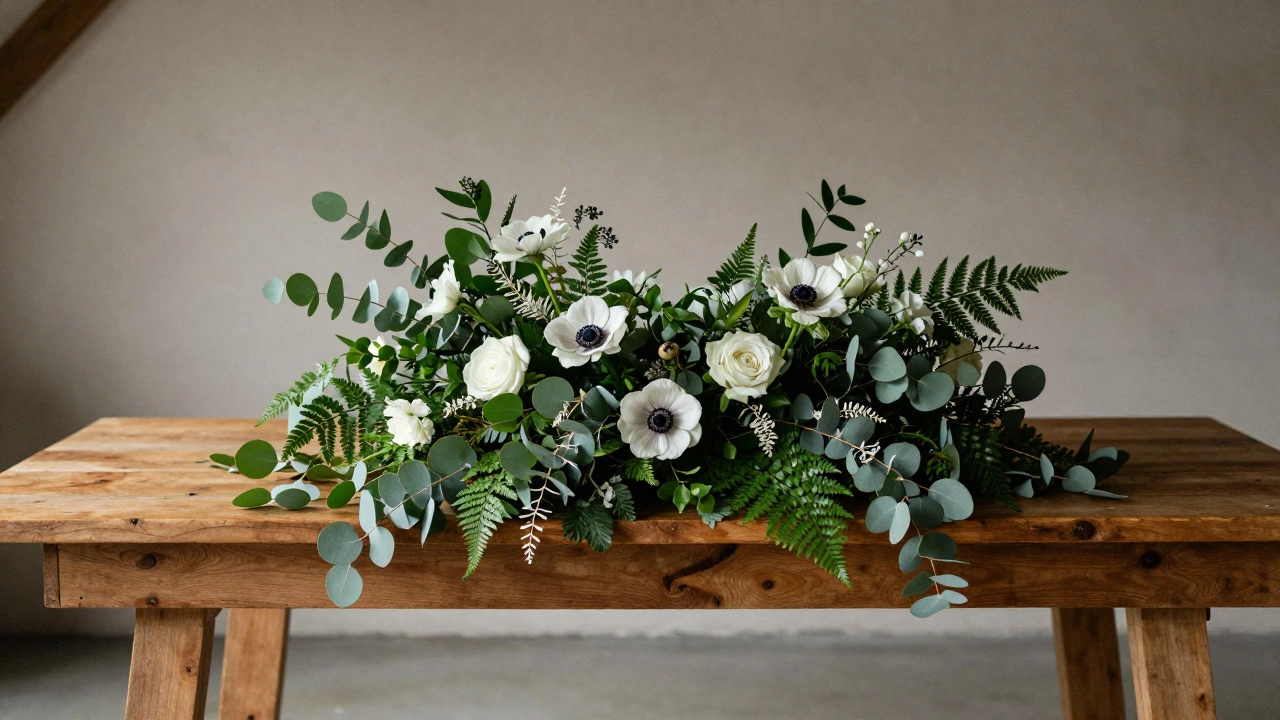
The Real Cost of Convenience
Ultimately, the most expensive month is the one where you refuse to compromise. If you want a Saturday in June, with imported peonies, at a top-tier venue, you are paying for the convenience of a "perfect" day. But if you're willing to shift your date by just two weeks or swap one specific flower for a seasonal alternative, the savings are immediate. Consider the "off-peak' advantage. When you book in a month like November or March, you aren't just saving money on the invoice. You're getting more attention from your vendors. A florist who has five weddings in a weekend in June is rushed. A florist who has one wedding in November is going to spend more time on the details of your arrangements, ensuring every stem is perfectly placed.Is it significantly cheaper to get married on a weekday?
Yes, absolutely. Many venues and vendors offer a "weekday rate" that can be 20% to 50% lower than Saturday rates. Since the cost of the flowers themselves (the raw materials) doesn't change based on the day of the week, the savings mostly come from the venue rental and the vendor's labor fees.
Which flowers are the most expensive regardless of the month?
Peonies, Orchids, and certain types of Ranunculus are generally the most expensive. Peonies have a very short natural season, making them a luxury item for most of the year. Orchids require specialized growing conditions and long-distance shipping, which keeps their price point high year-round.
Does the location of the wedding change the most expensive month?
Yes. In the Northern Hemisphere, June and September are peaks. In the Southern Hemisphere, the peak shifts toward November and December (the lead-up to the summer holidays). However, the global flower market is interconnected; if a massive amount of the world's roses are being shipped to the US for Valentine's Day, prices will rise globally, regardless of your local season.
How can I tell if my florist is overcharging me for a peak month?
Ask for a breakdown of "seasonal premiums." A transparent florist will tell you if a price is higher because the flower is out of season or because it's a peak date. Compare quotes from three different florists; if one is significantly higher, they may be applying a "peak date surcharge" that others aren't.
What is the cheapest month to get married?
Typically, January and February are the cheapest. This is the "wedding trough" where demand is at its lowest. You have the most leverage to negotiate venue fees and vendor packages during this time, provided you aren't trying to source rare summer blooms.