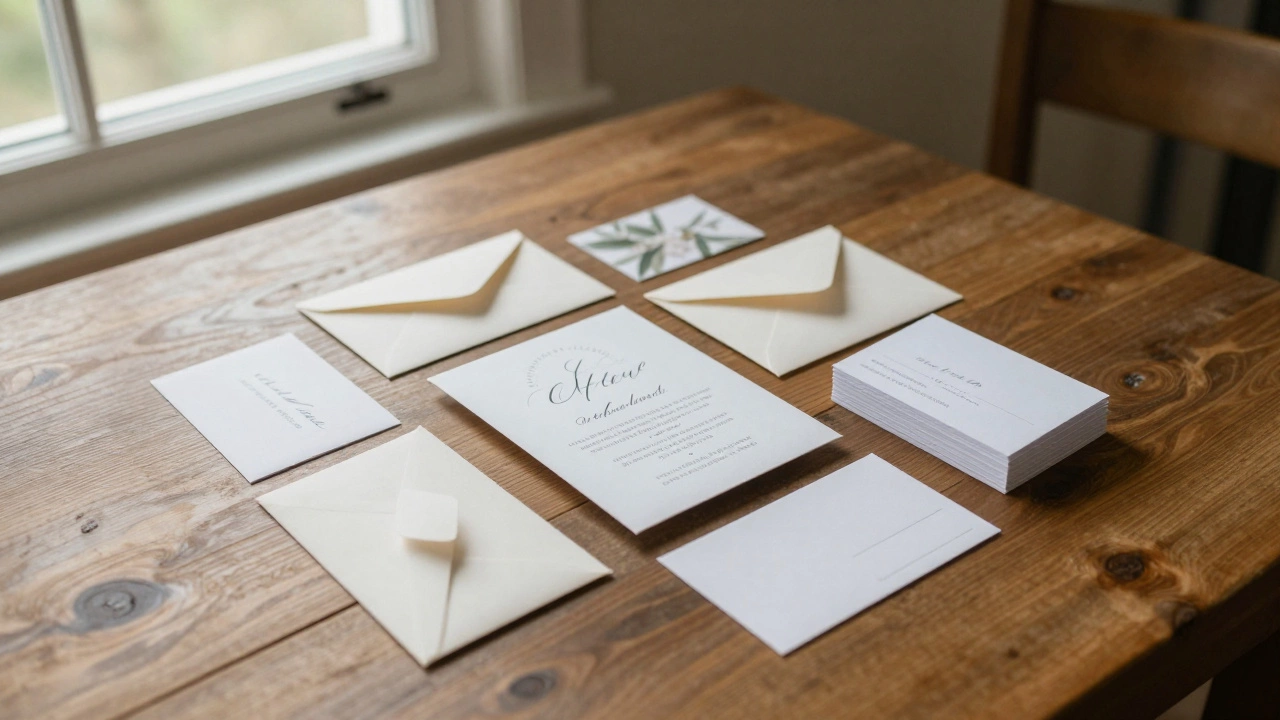
Wedding RSVP: What You Need to Know About Guest Responses and Timing
When you’re planning a wedding, the Wedding RSVP, a formal request for guests to confirm their attendance. Also known as response cards, it’s not just a formality—it’s the backbone of your guest list, catering, seating, and budget. Skip it, and you’re guessing how many plates to order, how many chairs to rent, or whether your venue will feel empty or overcrowded. Real couples who skip clear RSVP rules end up with last-minute chaos: a caterer who overcharged, a venue that charged extra for no-shows, or guests who show up uninvited because they assumed they were welcome.
A wedding guest response, the confirmed attendance or decline from each invitee. is what turns a dream into a plan. Most planners send out invitations with RSVP deadlines 4 to 6 weeks before the wedding. But if you’re hosting a destination wedding or one during a holiday weekend, you need to give guests RSVP timeline, the window of time guests have to respond before key decisions are locked in. of 8 to 12 weeks. Why? Because flights get booked, time off work gets approved, and babysitters get hired months ahead. A late RSVP doesn’t just annoy you—it costs money. One bride in Manchester lost £1,200 because she waited too long to finalize her menu after a dozen guests didn’t reply.
And it’s not just about numbers. The wedding guest list, the official roster of people invited to your wedding. needs to be clean, accurate, and updated. People forget to respond. Others reply by text, email, or Instagram DM. That’s not enough. You need a single, centralized system—whether it’s a spreadsheet, an online RSVP tool, or even a simple notebook—to track who said yes, who said no, and who hasn’t answered yet. Don’t assume someone will show up because they seemed excited at the engagement party. And don’t let guilt or pressure keep you inviting people who don’t matter. Your wedding isn’t a social obligation—it’s your day.
When someone doesn’t respond, don’t wait forever. Call them. Text them. Send a polite reminder. Most people aren’t being rude—they’re just overwhelmed. But if you wait until the week before to chase them down, you’re already behind. And if you’re worried about offending someone by following up, remember: your planner, your caterer, and your venue are all counting on you to give them accurate numbers. Your silence is the real risk.
What about the wedding etiquette, the unwritten rules around how to behave and respond at weddings.? Yes, it’s still a thing. A proper RSVP includes the full name of each guest, whether they’re bringing a plus-one, and any dietary needs. No one wants to show up to a wedding and realize their gluten-free request was ignored because the couple didn’t collect the info properly. And yes, if your invitation says "No children," don’t bring your niece unless you’ve asked first. Etiquette isn’t about being old-fashioned—it’s about respect.
Below, you’ll find real advice from couples who’ve been there—how to set deadlines, how to handle no-shows, how to track responses without losing your mind, and what to do when your aunt sends a handwritten note that says "I’ll be there, maybe." This isn’t theory. These are the lessons learned the hard way. And you don’t have to make the same mistakes.