Sleeping Apart Before the Wedding: Tradition, Stress, and Suit Care
 Jun, 11 2026
Wedding Night Sleep Strategy Calculator
Determine whether sleeping together or apart is the best choice for your wedding night based on sleep habits, anxiety levels, and logistical needs.
There is a persistent whisper in the world of weddings that suggests couples should not sleep together the night before the ceremony. You hear it from well-meaning aunts, read it on old-fashioned blogs, or perhaps even catch a hint of it in a vintage movie. The idea is that doing so brings bad luck. But if you are standing there in your bedroom at 11 PM, staring at your partner, wondering whether to share a bed or split up into separate rooms, you need to look past the folklore. The real question isn't about ghosts or curses. It is about logistics, anxiety management, and yes, the state of your groom suits.
The Superstition vs. Reality Check
Let's address the elephant in the room first: the superstition. The belief that seeing each other before the wedding brings bad luck stems from arranged marriages. In those historical contexts, the bride and groom might never have seen each other until the altar. Sleeping together would have been impossible, not because of magic, but because they were in different houses. Today, most couples live together, date for years, and have seen each other in their underwear countless times. The "bad luck" factor is essentially zero.
However, the tradition persists because it serves a psychological purpose. For some, keeping apart creates a sense of anticipation. It builds a tiny bubble of mystery right before the big reveal. If you are both superstitious types who find comfort in rituals, then sleeping apart might give you that extra dose of calm. But if neither of you believes in fortune cookies, forcing yourself into separate beds can create unnecessary tension. You are already stressed enough without adding artificial distance to your relationship.
The Practical Side: Sleep and Anxiety
Forget the ghosts. Think about your nervous system. The night before a wedding is often the peak of pre-ceremony anxiety. One partner might be pacing the floor, rehearsing vows, or worrying about the weather. The other might be exhausted from final fittings and family dinners. If one person is a light sleeper and the other is tossing and turning, sharing a bed could result in zero rest for both of you.
Sleep quality directly impacts how you look and feel on the big day. A lack of sleep leads to puffy eyes, shaky hands during the ring exchange, and irritability when dealing with minor hiccups like a missing boutonniere. If you know your partner snores, kicks, or has a habit of checking their phone under the covers at 2 AM, consider booking two rooms or setting up a comfortable cot in the living room. Prioritize eight hours of sleep over romantic proximity. You will thank yourself when you are walking down the aisle with clear eyes and a steady heart.
Groom Suits and Logistics
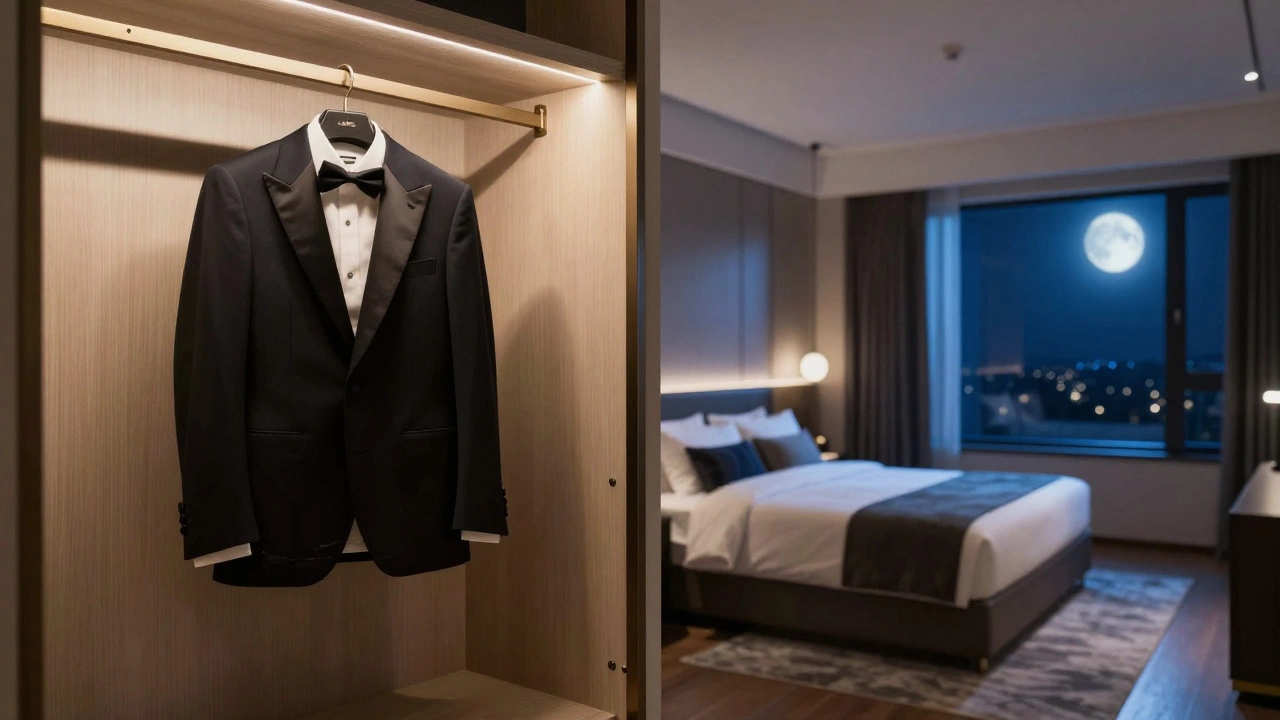
This is where things get technical. Your attire requires care, especially if you are renting or wearing a high-end custom piece. Groom suits, particularly tuxedos or formal morning dress, are delicate. They wrinkle easily, attract lint, and can suffer from humidity. If you are sleeping in the same room, you need a plan for where the suit goes.
Hanging a suit in a small closet overnight can lead to creases that no steamer can fully fix by morning. Ideally, the suit should be laid flat or hung in a spacious garment bag in a climate-controlled area. If you are sharing a cramped hotel room, space is at a premium. Splitting up allows one partner to set up a dedicated "wardrobe zone" without cluttering the shared living space. This separation ensures that the suit remains pristine, free from accidental spills, pet hair, or the chaos of last-minute packing.
Consider the fabric. Wool blends breathe better than polyester, but they also hold odors. If you've been traveling or attending rehearsals all day, your clothes (and possibly your skin) carry the scent of the day. Giving each other space allows for proper hygiene routines-showers, deodorant, and fresh cologne or perfume-without feeling rushed or crowded. A fresh start in the morning begins with a clean environment.
Morning-of Coordination
How you spend the night affects your morning routine. Waking up in separate spaces can actually streamline the preparation process. You can wake up, shower, and get dressed without coordinating every movement with your partner. There is no need to negotiate bathroom time or wait for someone to finish styling their hair while you are trying to button your shirt.
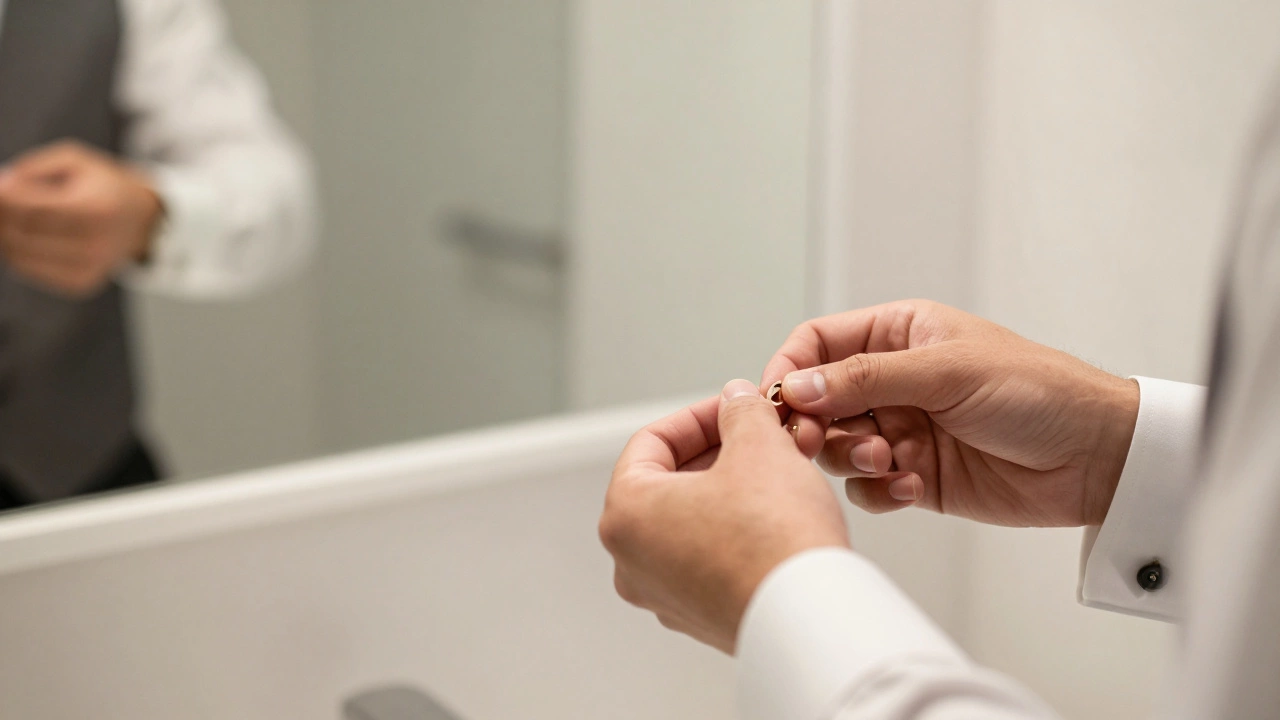
For the groom, this means uninterrupted time to handle the details. Tie the tie, adjust the cufflinks, check the shoes. These small tasks require focus. If you are in the same room, distractions multiply. Phone calls from family, questions from the best man, or simply the noise of your partner getting ready can break your concentration. Separate spaces allow for parallel processing. Both partners can prepare efficiently, meet at the venue looking sharp, and enjoy the moment rather than managing the logistics of getting out the door.
Emotional Connection and Communication
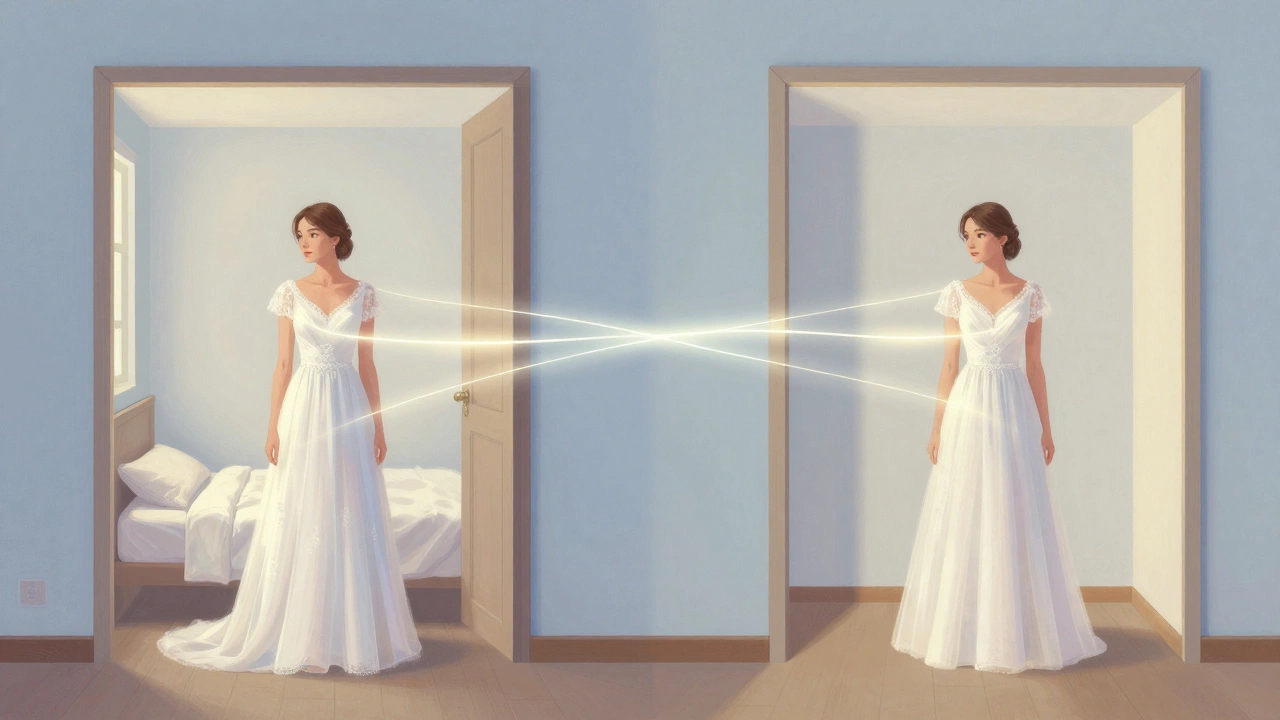
While physical separation might seem cold, it doesn't mean emotional disconnection. You can still talk on the phone, send texts, or share a quiet moment before drifting off. In fact, a brief conversation before parting ways can be more meaningful than lying awake side-by-side, unable to sleep due to nerves. Use that time to reassure each other, express excitement, and confirm plans for the next day.
If you choose to sleep together, make sure you have a strategy for handling disruptions. Agree beforehand that if one person is restless, they will move to the couch or another room rather than disturbing the other. This compromise maintains closeness while protecting sleep quality. Communication is key. Discuss your preferences openly. Don't assume your partner wants what you want. Some brides prefer to be with their bridesmaids; some grooms prefer to be with their groomsmen. Aligning expectations prevents hurt feelings and confusion.
| Factor | Sleeping Together | Sleeping Apart |
|---|---|---|
| Sleep Quality | Risk of disturbance if habits differ | Higher chance of uninterrupted rest |
| Anxiety Management | Comfort through physical presence | Space to decompress individually |
| Suit/Attire Care | Requires careful space planning | Easier to dedicate space for garments |
| Morning Routine | Potential for scheduling conflicts | Parallel, efficient preparation |
| Superstition | May trigger worry for traditionalists | Aligns with "no see" tradition |
Final Decision Framework
So, are you supposed to sleep together? No. There is no rule. The decision should be based on what reduces stress and maximizes readiness for both of you. Ask yourselves these questions:
- Are we both light sleepers?
- Do we have enough space to hang our outfits properly?
- Will being apart make us feel anxious or relieved?
- Are we superstitious about the "first look"?
If the answer to the first two is yes, lean towards sleeping apart. If the answer to the third is relieved, definitely sleep apart. If you are deeply connected and find peace in each other's presence, stay together-but have a backup plan for the suits and the snoring. The goal is to walk into that ceremony feeling rested, sharp, and happy. Everything else is just detail.
Is it bad luck to sleep together the night before the wedding?
No, it is not bad luck. This superstition originated from arranged marriages where couples hadn't met before. Modern couples know each other well, so the "bad luck" aspect is purely mythological. Focus on practical concerns like sleep quality instead.
Should the groom sleep with his suit?
Not literally in the bed, but keep it close. Hang the groom suit in a garment bag in a cool, dry place. Avoid cramming it into a small suitcase overnight, as this causes deep wrinkles. If possible, lay it flat or use a large closet space.
What if one partner is nervous and can't sleep?
If one partner is anxious and tossing around, they should move to a separate room or couch. This protects the other partner's sleep. Rest is crucial for looking good and staying calm during the ceremony. Consider using earplugs or white noise machines if sharing a room.
Can we see each other in the morning if we slept apart?
Yes. Sleeping apart does not mean you cannot see each other at all. Many couples do a "first look" at the venue or meet briefly before the ceremony. The tradition of not seeing each other usually refers to the formal attire reveal, not total isolation.
How do we handle wedding attire if we stay in one hotel room?
Designate a specific corner for hanging clothes. Use garment bags for suits and dresses. Keep them away from bathrooms to avoid steam. If space is tight, consider asking the hotel for an extra rack or storing one outfit in the mini-fridge area (if safe) or a luggage cart in the hallway.