Is a DIY Wedding Cheaper? The Real Cost Breakdown
 Oct, 12 2026
DIY Wedding Cost & Time Calculator
Most couples forget to count their own time as a cost. Enter your project details below to see if going DIY is actually cheaper than hiring a vendor.
Project Details
Fill in the details to see your results.
You see the Pinterest board. It’s stunning: cascading floral arches, hand-lettered signage, and centerpieces that look like they belong in a museum. Then you check your bank account. The professional quote for that same setup makes you want to cry. So, you think, "I’ll just do it myself." But is a DIY wedding actually cheaper, or does it just shift the cost from your wallet to your sanity?
The short answer is: it depends entirely on what you are making and how good you are at estimating your own time. For many couples, DIY saves 30-50% on specific items like favors or simple signage. But for complex projects like large floral arrangements or intricate lighting, the savings can evaporate once you factor in tools, mistakes, and the sheer exhaustion of being both a guest and a contractor at your own party.
The Hidden Math Behind DIY Savings
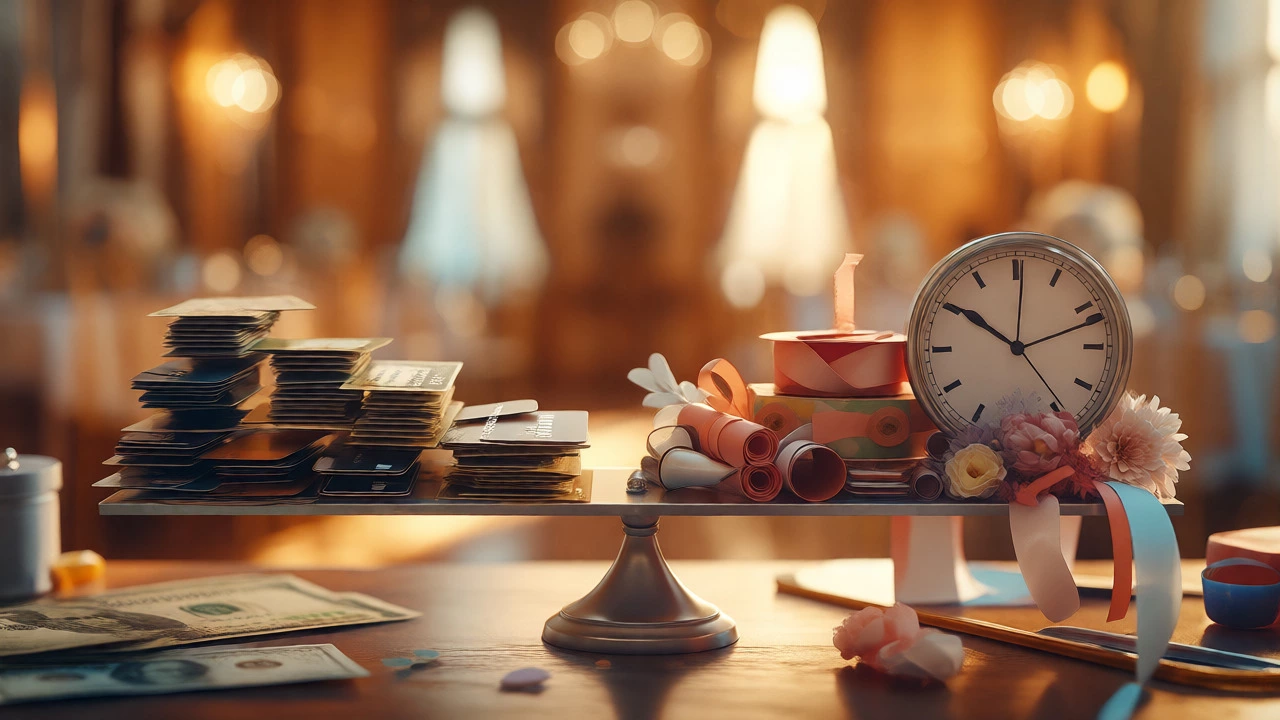
Most people calculate DIY costs by adding up the price of materials. They buy glue, ribbon, and bulk flowers, thinking they’ve saved thousands compared to a florist’s invoice. But this ignores the "invisible" costs. When you hire a vendor, you pay for their expertise, speed, and liability insurance. When you go DIY, you pay with your weekends.
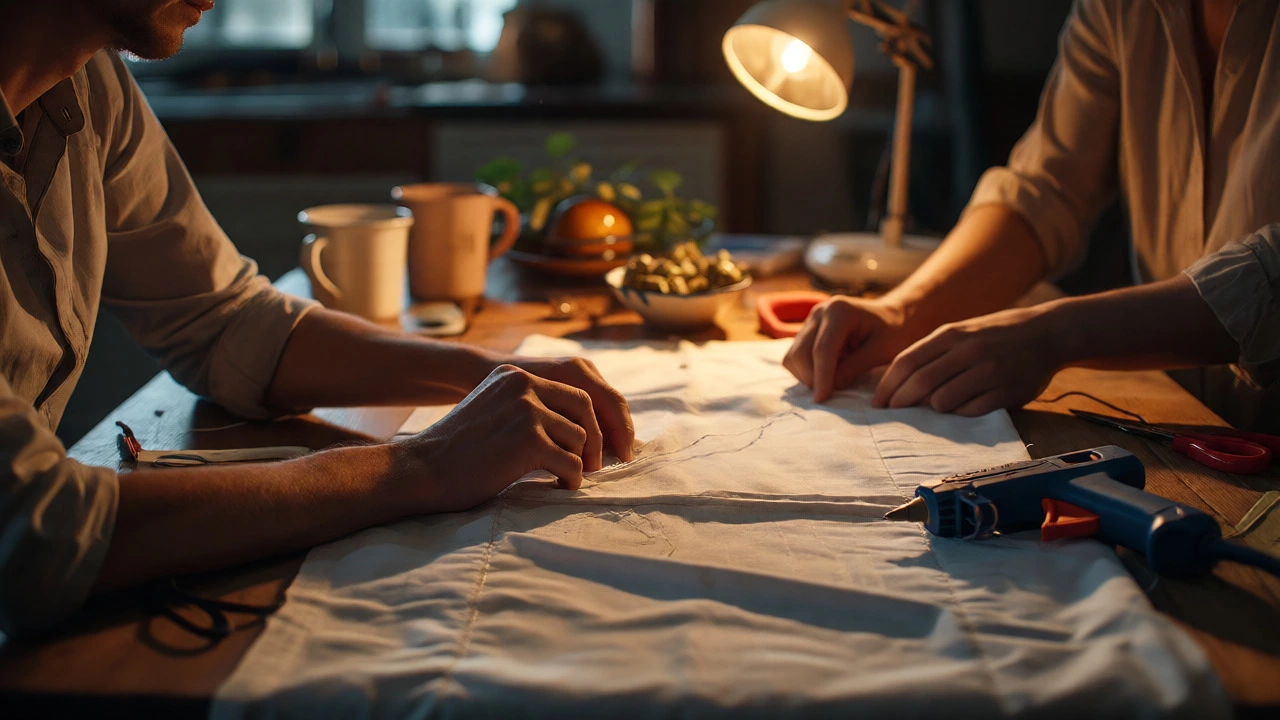
Let’s look at a concrete example. Say you want 20 table runners. A local seamstress charges $15 per runner, totaling $300. You decide to sew them yourself. You buy fabric for $100. You spend six hours cutting, pinning, and sewing. If you value your free time at even $20 an hour (which is low for skilled labor), that’s $120 of "labor cost." Add in the wear and tear on your sewing machine and the thread, and your actual cost is closer to $250. You saved $50. Was it worth six hours of stress? Maybe. But if you mess up two runners and have to restart, you might actually lose money.
Here is the rule of thumb: DIY pays off when the item has high markup but low skill requirements. Things like candles, basic paper goods, and simple greenery often fit this bill. Items requiring specialized tools, heavy lifting, or artistic precision-like custom acrylic signs or elaborate floral installations-often end up costing more than hiring a pro.
What Actually Saves Money vs. What Costs More
Not all wedding elements are created equal when it comes to DIY potential. Some categories are notorious for being overpriced by vendors, while others are priced fairly because of the labor involved. To help you decide where to cut costs, here is a breakdown based on current market rates in Australia as of late 2026.
| Item Category | Vendor Average Cost | DIY Material Cost | Time/Effort Factor | Verdict |
|---|---|---|---|---|
| Candles & Holders | $5-$10 per unit | $1-$2 per unit | Low (buy in bulk) | High Savings |
| Paper Signage | $50-$150 per piece | $5-$10 per piece | Medium (requires design skills) | High Savings |
| Bulk Greenery | $100+ per arrangement | $20-$30 per bundle | High (stripping leaves, arranging) | Moderate Savings |
| Fresh Flower Centerpieces | $80-$150 each | $40-$60 each | Very High (design eye required) | Risky Savings |
| Custom Acrylic Signs | $100-$200 each | $150-$250 each | Low (ordering online) | Cost Increase |
Notice the pattern? Simple items with high retail markups are great for DIY. Complex items that require specialized equipment (like laser cutters for acrylic) or perishable goods that need last-minute assembly (like fresh flowers) are where DIY budgets bleed.
The Time Tax: How Many Hours Are You Really Working?
If you’re working full-time jobs, your available time for wedding prep is limited. Let’s say you work 40 hours a week. That leaves maybe 10-15 hours of genuine free time on weekends and evenings. Now, imagine you decide to make 100 place cards by hand. At five minutes per card (writing, folding, checking spelling), that’s over eight hours of work. That’s an entire Saturday gone. And you still haven’t touched the cake tasting or the venue contract.
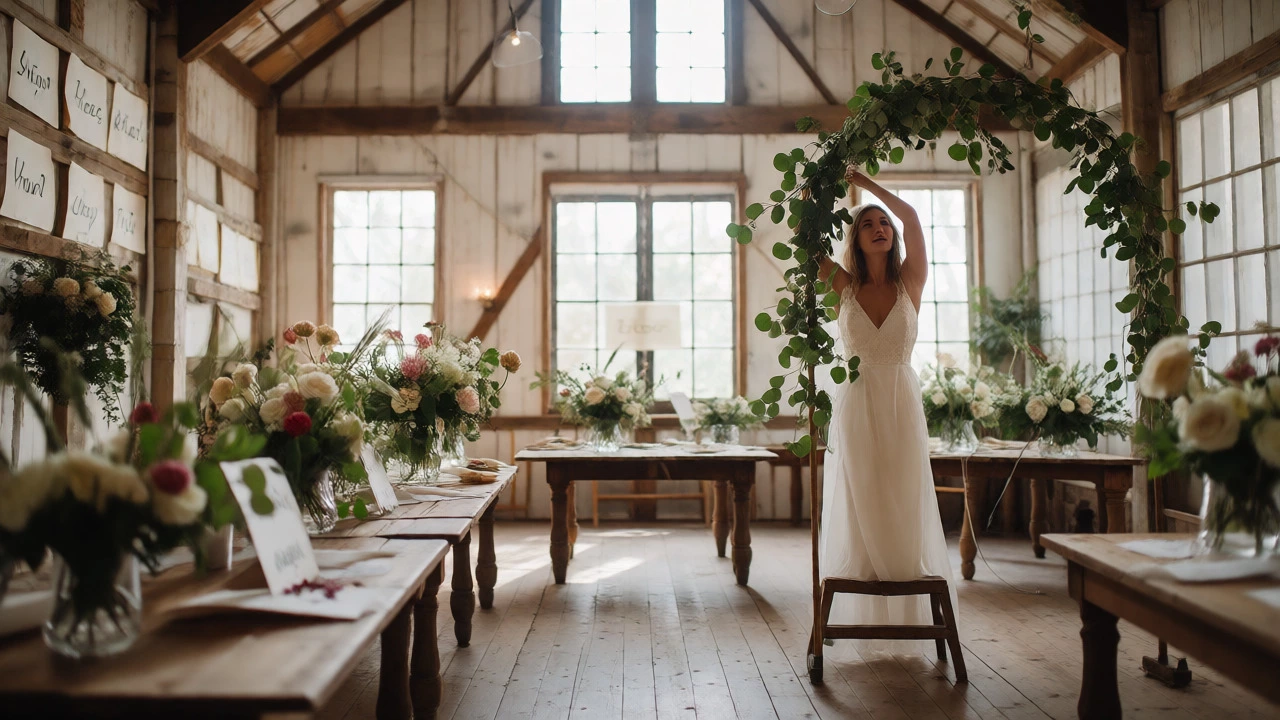
There is also the "pre-wedding panic" factor. Studies on wedding stress show that brides and grooms who take on too many DIY projects report higher anxiety levels in the final month before the big day. Why? Because you can’t delegate. If you hire a decorator, you call them. If you do it yourself, you are the one standing on a ladder three hours before guests arrive, realizing you forgot the extension cords.
Consider hiring a "day-of coordinator" even if you do everything else. This person isn’t there to plan the wedding; they are there to execute it. For a flat fee, they will hang your DIY banners, light your candles, and set your tables so you can actually enjoy your morning. This small expense protects the massive investment of your time.
Where to Buy Smart: Sourcing Materials Without Breaking the Bank
Buying materials is half the battle. If you walk into a craft store two weeks before the wedding, you will pay premium prices. Here is how savvy DIYers source their supplies:
- Wholesale Markets: In Melbourne, the Queen Victoria Market and various wholesale flower markets offer bulk deals. Buying greenery by the crate rather than the stem can cut costs by 60%.
- Off-Season Sales: Buy artificial flowers and decorative items in January or July. Retailers clear out stock after major holidays. You can find high-quality faux peonies for pennies on the dollar.
- Second-Hand Platforms: Facebook Marketplace and Gumtree are goldmines for wedding decor. Couples sell their unused centerpieces, vases, and linens immediately after their weddings. You can often get branded, high-end items for 20% of the original price.
- Rental Services: For items you only need for four hours (like charger plates or specific glassware), renting is almost always cheaper than buying. Plus, no cleanup storage issues later.
A common mistake is buying "wedding-specific" brands. A white tablecloth from a bridal shop costs $80. The exact same cloth from a hospitality supply store costs $25. Always ask: "Is this actually different, or is it just marketing?"
The Skill Gap: Be Honest With Yourself
Just because you watched a YouTube tutorial doesn’t mean you can replicate the result. Floral design, in particular, requires an understanding of color theory, texture, and structural balance. A florist knows which stems hold water best and how to arrange flowers so they don’t wilt under hot lights. You might not.
If you attempt complex projects, do a test run. Make one centerpiece. Leave it out for six hours. Take photos. Show it to a friend who has a critical eye. If it looks sad, don’t force it. There is no shame in mixing DIY and professional services. Many couples choose a "hybrid" approach: they handle the easy stuff (candles, paper goods, favors) and hire a florist for the focal points (the arch, the bride’s bouquet). This balances cost control with aesthetic quality.
Logistics: Storage, Transport, and Cleanup
DIY creates a logistical nightmare that vendors solve for you. Where are you storing 50 glass vases between now and the wedding day? Do you have space in your apartment? Who is driving them to the venue? Who is cleaning them afterward?
Breakage is real. If you drop three vases during transport, your "savings" disappear instantly. Professional decorators have insurance and replacement stock. You have a credit card and a prayer. Plan for a 10% breakage buffer in your material budget. Also, consider the cleanup crew. If you use delicate lace runners, can you throw them in a washing machine? Or do they need dry cleaning? Factor those post-wedding costs into your initial decision.
When DIY Is Definitely Worth It
Despite the warnings, DIY shines in specific areas. Personal touches that vendors can’t replicate are worth the effort. Writing your own vows on nice cardstock, creating a playlist that tells your love story, or making family recipes for the dessert table adds emotional value that money can’t buy.
Also, if you have a supportive team, DIY becomes fun. Enlist your friends and family. Host a "craft night" where everyone brings wine and helps assemble 200 favor bags. This turns a chore into a bonding experience. The key is delegation. Don’t try to be the sole creator. Share the load, share the credit, and keep the pressure low.
Ultimately, a DIY wedding is cheaper only if you manage your time and expectations as strictly as your budget. If you hate crafting, buy the decor. Your mental health is part of the wedding package.
How much can I realistically save with a DIY wedding?
On average, couples save between 20% and 40% on decoration costs by going DIY. However, this varies wildly based on the complexity of the items. Simple items like candles and paper goods yield high savings, while complex floral arrangements may yield little to no savings after accounting for time and errors.
Is it better to rent or buy wedding decorations?
Renting is usually better for bulky, expensive items like chairs, tables, and specialty lighting. Buying is better for small, personal items like favors, signage, and candles that you might want to keep as mementos. Renting eliminates storage and cleanup hassles.
What are the biggest hidden costs of DIY weddings?
The biggest hidden costs are labor (your time valued at hourly rates), tool purchases (glue guns, scissors, ladders), breakage/waste, and transportation. Additionally, post-event cleanup and storage fees can add significant unexpected expenses.
Can I mix DIY and professional services?
Yes, and it is highly recommended. Many couples hire professionals for high-stakes, labor-intensive items like fresh flowers and lighting, while handling easier tasks like signage, favors, and table settings themselves. This hybrid model optimizes both budget and stress levels.
How far in advance should I start DIY projects?
Start sourcing materials 6-9 months in advance to catch sales. Begin non-perishable projects (signage, favors) 3-4 months out. Save perishable items (fresh flowers, food) for the week of the wedding. Rushing leads to higher costs and more mistakes.