Is a 2 Carat Ring a Lot? Size, Price & Style Guide for 2026
 May, 24 2026
2-Carat Diamond Size & Cost Estimator
Visualize Your Diamond
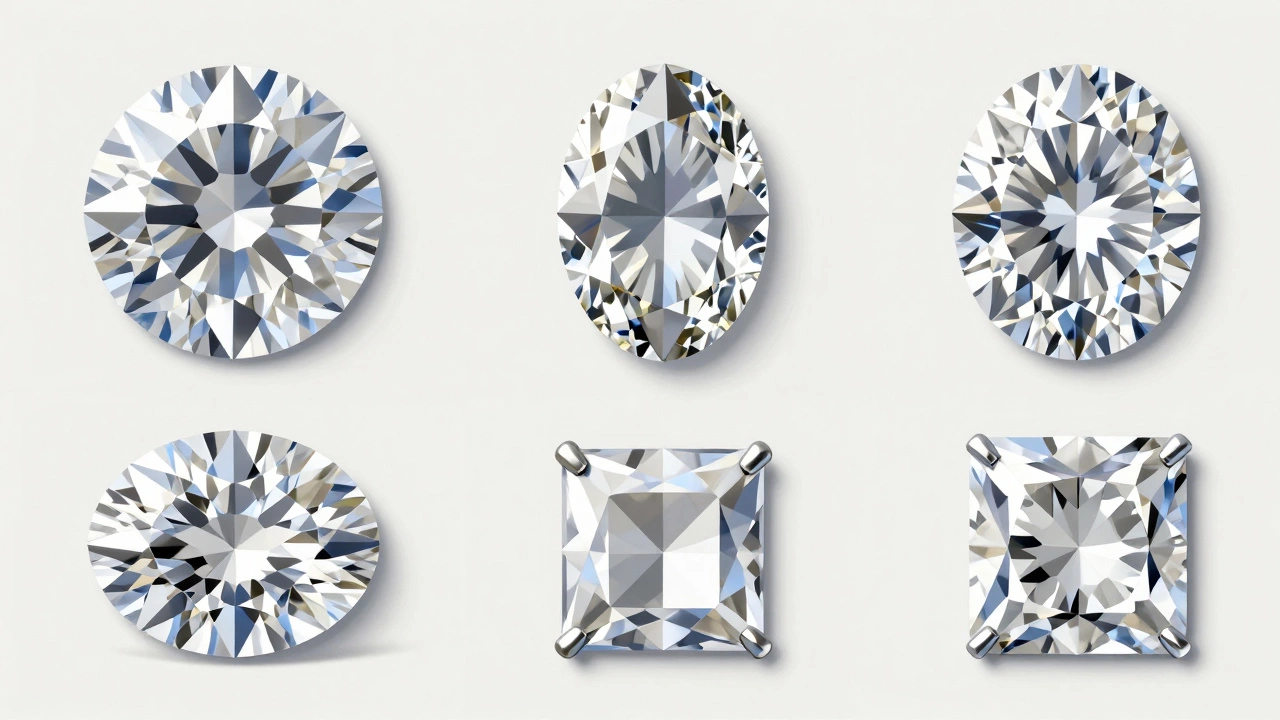
Click a shape to see how 2 carats looks across different cuts:
8.1mm
7.5x10.5mm
6.8mm
7.0x10.0mm
Cost Calculator
Estimated Price Range:
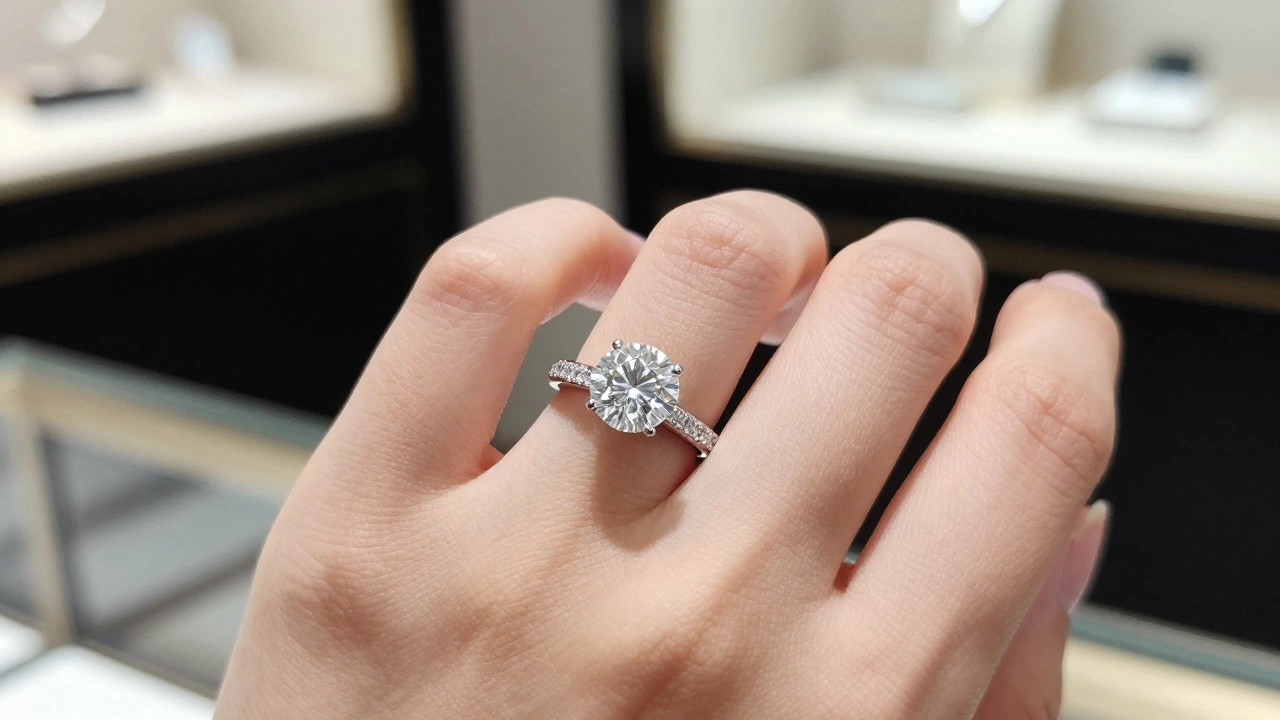
Walking into a jewelry store and seeing that price tag for a 2 carat diamond ring is an engagement ring featuring a center stone weighing exactly two metric carats can stop you in your tracks. You might wonder if it’s worth the investment or if it’s just showing off. The short answer? Yes, a 2-carat ring is considered large by global standards, but "a lot" depends entirely on who you are asking: the jeweler, your bank account, or the person wearing it.
In Melbourne and across Australia, we tend to keep things practical. We don’t usually go for the flashy, oversized Hollywood style unless we have the means and the lifestyle to match it. A 2-carat stone sits comfortably above the average, making a statement without necessarily screaming for attention. But before you hand over your credit card, let’s break down what that number actually means for your finger, your wallet, and your daily life.
The Reality of Diamond Sizes: Is 2 Carats Big?
To understand if 2 carats is "a lot," you need a baseline. In the United States, the average engagement ring diamond is about 1.0 to 1.2 carats. In Europe and Australia, the average tends to be slightly smaller, often hovering around 0.9 to 1.0 carats. So, mathematically, a 2-carat diamond is roughly double the weight of the average stone. That sounds huge, right? It is.
However, weight isn't the same as visual size. A diamond's face-up appearance depends heavily on its cut shape. A round brilliant cut spreads its weight efficiently, looking larger than a princess cut of the same weight. An oval or marquise cut can look even bigger because they are elongated. If you’re comparing a 2-carat round diamond to a 2-carat emerald cut, the round will appear wider, while the emerald cut will look longer and more slender. This is why many people choose fancy shapes if they want maximum presence for their money.
| Shape | Approximate Diameter (mm) | Visual Impact |
|---|---|---|
| Round Brilliant | 8.1 mm | Balanced, classic sparkle |
| Oval | 7.5 x 10.5 mm | Elongated, makes fingers look slimmer |
| Princess | 6.8 mm | Compact, modern square look |
| Emerald | 7.0 x 10.0 mm | Wide, elegant step-cut appearance |
If you have smaller hands or shorter fingers, a 2-carat stone will look significantly larger than it would on someone with larger hands. Proportion is key. A ring that looks stunning on a model with long, slender fingers might look top-heavy on someone else. Try it on. Always try it on.
The Cost Factor: Why 2 Carats Costs So Much
Here is where the "is it a lot" question gets tricky. Diamonds don’t increase in price linearly. They jump exponentially at certain thresholds. Moving from 1.0 to 1.5 carats costs more per carat than moving from 0.5 to 1.0. But jumping from 1.5 to 2.0 carats? That is a massive leap. This is called the "price per carat" curve.
In 2026, a high-quality 1.5-carat diamond might cost $10,000 AUD. A 2.0-carat diamond of similar quality could easily cost $25,000 to $40,000 AUD or more. You aren't just paying for 33% more weight; you're paying for rarity. Natural diamonds over 2 carats are genuinely scarce. Most rough diamonds found in mines are under 0.5 carats. Finding a clean, well-cut stone that weighs 2 carats requires sifting through thousands of rough stones.
This scarcity drives the price. If you are on a strict budget, a 2-carat natural diamond might not be feasible. However, this is where lab-grown diamonds change the game. A lab-created 2-carat diamond can cost 60-80% less than its natural counterpart. For many couples in Melbourne, choosing a lab-grown stone allows them to get that impressive 2-carat size without sacrificing other aspects of their wedding budget, like the venue or honeymoon.
Daily Wearability: Practical Concerns
A 2-carat ring is beautiful, but it is also a piece of hardware. You need to think about how it fits into your daily life. Are you a nurse? A teacher? Do you work with your hands? A larger stone has more surface area exposed, which means it’s more likely to catch on sweaters, bedsheets, or equipment. This is known as "snagging."
Also, consider the setting. A prong setting holds the diamond securely but leaves it vulnerable to bumps. A bezel setting, where a metal rim surrounds the stone, offers more protection but can make the diamond look slightly smaller. If you lead an active lifestyle, you might find a 2-carat ring cumbersome. Some people switch to a simpler band during workouts or manual labor, keeping the big ring for special occasions. There’s no shame in that. Your ring should serve you, not restrict you.
Another practical issue is resizing. As you gain or lose weight, your finger size changes. A large, heavy stone can make resizing difficult and expensive. The jeweler has to carefully remove the head of the ring, resize the band, and reset the stone. With a 2-carat stone, this process carries higher risk and cost. If you anticipate significant weight fluctuations, discuss this with your jeweler early on.
Natural vs. Lab-Grown: The 2026 Landscape
In 2026, the stigma around lab-grown diamonds has largely disappeared, especially among younger buyers. In Australia, sustainability is a major factor for many consumers. Lab-grown diamonds are chemically, physically, and optically identical to natural diamonds. They have the same hardness (10 on the Mohs scale) and brilliance. The only difference is their origin and price.
If your goal is to have a large, impressive ring, lab-grown is the smart choice. You can afford better color and clarity grades for the same price as a lower-grade natural stone. For example, for $15,000 AUD, you might get a 1.5-carat natural diamond with noticeable yellow tint and inclusions, or a 2.5-carat lab-grown diamond that is eye-clean and colorless. Which one looks better on your finger? Usually, the bigger, cleaner stone wins.
However, if you value the geological history and the rarity of a stone formed deep within the Earth over billions of years, natural diamonds still hold emotional appeal. Some buyers feel that the high price reflects the authenticity and legacy of the stone. It’s a personal value judgment, not just a financial one.

Choosing the Right Setting for a Large Stone
The setting plays a huge role in how a 2-carat ring looks and feels. A halo setting, where small diamonds surround the center stone, can make a 1.5-carat diamond look like 2 carats. Conversely, a solitaire setting puts all the focus on the center stone, showcasing its true size and beauty. If you already have a 2-carat stone, a simple four-prong solitaire lets the diamond speak for itself. It’s timeless and elegant.
Consider the metal too. Platinum is durable and hypoallergenic, perfect for holding a heavy stone securely. White gold is popular for its bright, reflective surface that complements diamonds, but it requires rhodium plating every few years to maintain its shine. Yellow gold offers a warm contrast that can make white diamonds pop. Rose gold is trendy and romantic, but it can sometimes clash with cooler-toned diamonds. Think about what metals you wear daily. If you mostly wear silver jewelry, white gold or platinum will blend seamlessly.
FAQ: Common Questions About 2-Carat Rings
Is a 2-carat diamond considered big?
Yes, a 2-carat diamond is considered large. The average engagement ring diamond is between 1.0 and 1.2 carats. A 2-carat stone is significantly rarer and more visually prominent than the average stone.
How much does a 2-carat diamond ring cost in Australia?
Prices vary widely based on quality. A natural 2-carat diamond typically ranges from $20,000 to $50,000+ AUD. A lab-grown 2-carat diamond can cost between $3,000 and $8,000 AUD, depending on cut, color, and clarity.
Does a 2-carat diamond look too big for small hands?
It depends on proportion. On very small hands, a 2-carat round diamond might look top-heavy. Choosing an elongated shape like an oval or marquise can balance the look better. Trying on different sizes is the best way to decide.
Are lab-grown diamonds real diamonds?
Yes, lab-grown diamonds are real diamonds. They have the same chemical composition and physical properties as natural diamonds. The only difference is their origin: they are created in a laboratory rather than mined from the earth.
What is the best setting for a 2-carat diamond?
A solitaire setting highlights the stone's size and brilliance. A halo setting can enhance the perceived size. For security and durability, especially for active lifestyles, a bezel or low-profile prong setting is recommended.