Is $20,000 a Lot for an Engagement Ring? The Real Cost Breakdown
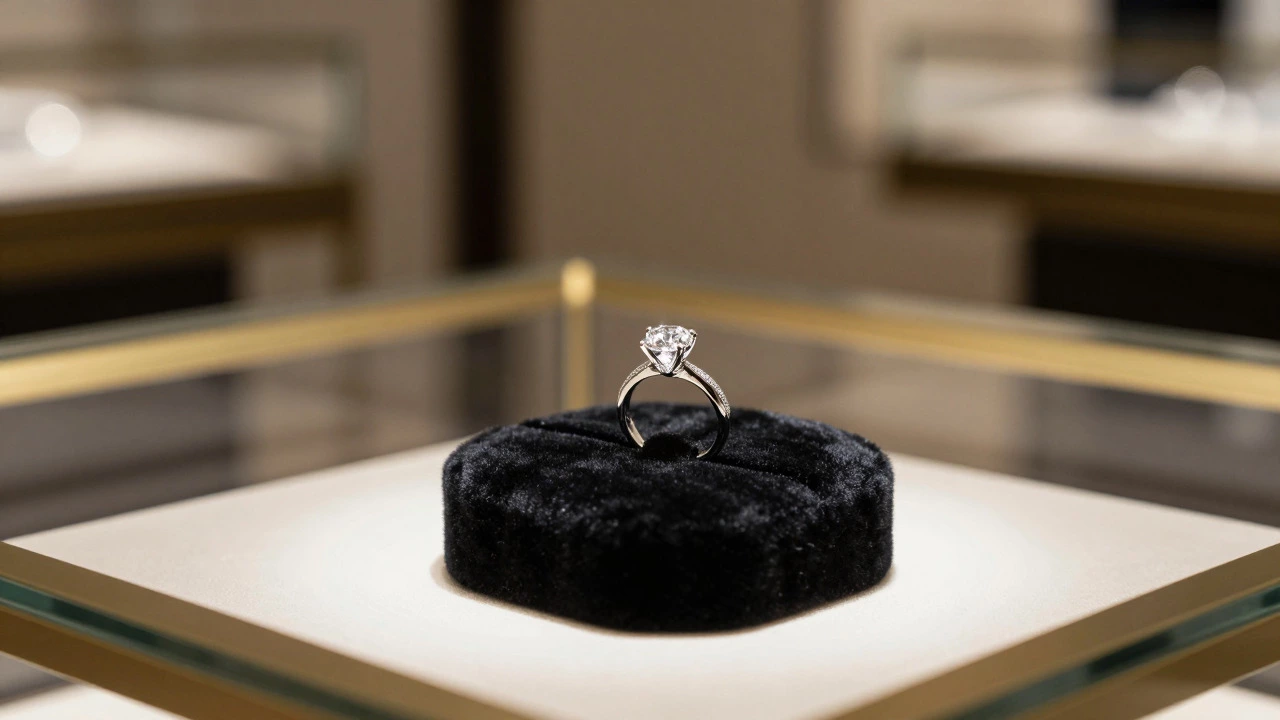 Jul, 19 2026
Engagement Ring Budget & Value Calculator
Your Financial Profile
Analysis Result
Enter your details to see if this budget aligns with modern financial advice.
What Does $20,000 Actually Buy You?
Natural Diamond
Rare- Size: 1.5 - 2.0 Carats
- Quality: D-Color, VVS1 Clarity
- Resale: Low (Depreciates quickly)
- Ethics: Mixed (Mining concerns)
Lab-Grown Diamond
Best Value- Size: 3.0 - 4.0+ Carats
- Quality: D-Color, FL Clarity
- Resale: Very Low (Market saturation)
- Ethics: High (Eco-friendly)
Both are chemically identical. Lab-grown offers significantly larger size and higher clarity for the same price point.
Picture this: you’re sitting in a sleek boutique, staring at a sparkling stone that costs more than your first car. The salesperson smiles and says, "It’s a good investment." But is it? When we ask if $20,000 is a lot for an engagement ring, we aren’t just talking about numbers. We are talking about values, expectations, and the heavy weight of tradition versus modern reality.
In 2026, the average engagement ring price in Australia hovers around AUD $3,500 to $4,500. By that metric, yes, twenty grand is a significant amount. It places you firmly in the top tier of spenders. However, money is relative. For some, it’s a month’s salary; for others, it’s a down payment on a home. To figure out if this price tag makes sense for you, we need to strip away the marketing hype and look at what you actually get for your money.
The Myth of the Two-Month Salary Rule
Let’s address the elephant in the room. You’ve probably heard the rule that you should spend two months’ salary on an engagement ring. This idea didn’t come from jewelers wanting to help you plan your budget. It was a marketing campaign launched by De Beers in the 1930s to boost diamond sales during the Great Depression. They successfully convinced generations that love could be measured in carats and cash.
Today, financial advisors generally recommend spending no more than 3% to 5% of your annual income on the ring. If you earn AUD $80,000 a year, that puts your recommended budget between $2,400 and $4,000. Spending $20,000 means you are allocating nearly 25% of your yearly income to a single piece of jewelry. That is a massive financial commitment. Before you swipe the card, ask yourself: does this expenditure align with your broader financial goals, or are you paying for social pressure?
Is the two-month salary rule still relevant today?
No, it is largely considered outdated. It originated as a marketing tactic by De Beers. Modern financial advice suggests spending based on personal comfort and overall wedding budget, typically under 5% of annual income.
What Does $20,000 Actually Buy You?
If you decide to spend this amount, you shouldn’t just get a bigger rock. You should get exceptional quality. In the world of diamonds, value is determined by the Four Cs: Cut, Color, Clarity, and Carat Weight. At the $20,000 price point, you are looking for specific attributes that distinguish a gem from a mere accessory.
For a natural diamond, $20,000 can secure a 1.5 to 2-carat stone with high grades across the board. Think D-color (colorless), VVS1 clarity (very, very slightly included), and an Excellent cut. These stones are rare. They have minimal internal flaws and reflect light perfectly, creating that intense fire and brilliance people chase. Alternatively, you might choose a larger stone, say 2.5 carats, but compromise slightly on color or clarity to keep the price down. The key is balance. A poorly cut large diamond will look dull, while a smaller, perfectly cut stone will dazzle.
However, the market has shifted. Lab-grown diamonds have disrupted the industry. For $20,000, you could buy a lab-created diamond that is chemically and physically identical to a mined one, but significantly larger-perhaps 3 to 4 carats-or of flawless quality. Or, you could choose a fancy colored diamond, like a pink or blue stone, which commands premium prices regardless of origin. Your budget opens doors to customization that simply isn’t available at lower price points.
| Feature | Natural Diamond | Lab-Grown Diamond |
|---|---|---|
| Average Size | 1.5 - 2.0 Carats | 3.0 - 4.0+ Carats |
| Clarity/Color Potential | VVS1, D-Color (Rare) | FL, D-Color (Common) |
| Resale Value | Low (depreciates quickly) | Very Low (market saturation) |
| Ethical Perception | Mixed (mining concerns) | High (eco-friendly) |
The Setting and Craftsmanship Factor
Don’t forget the band. A $20,000 budget isn’t just for the center stone. The setting holds everything together. At this price level, you are likely looking at precious metals like platinum or 18k gold. Platinum is denser, more durable, and naturally white, making it a popular choice for luxury rings. It also adds significant cost to the final bill.
Craftsmanship matters immensely here. Mass-produced settings from big-box retailers often use cheaper alloys and simpler construction. With a higher budget, you can work with a master jeweler to create a custom design. This might involve hand-engraving, pavé side stones, or intricate milgrain detailing. These artisanal touches require hours of skilled labor. If you spend $15,000 on the diamond, having only $5,000 left for the setting and labor ensures the ring feels substantial and well-made, not cheaply assembled around an expensive stone.
Emotional Value vs. Financial Prudence
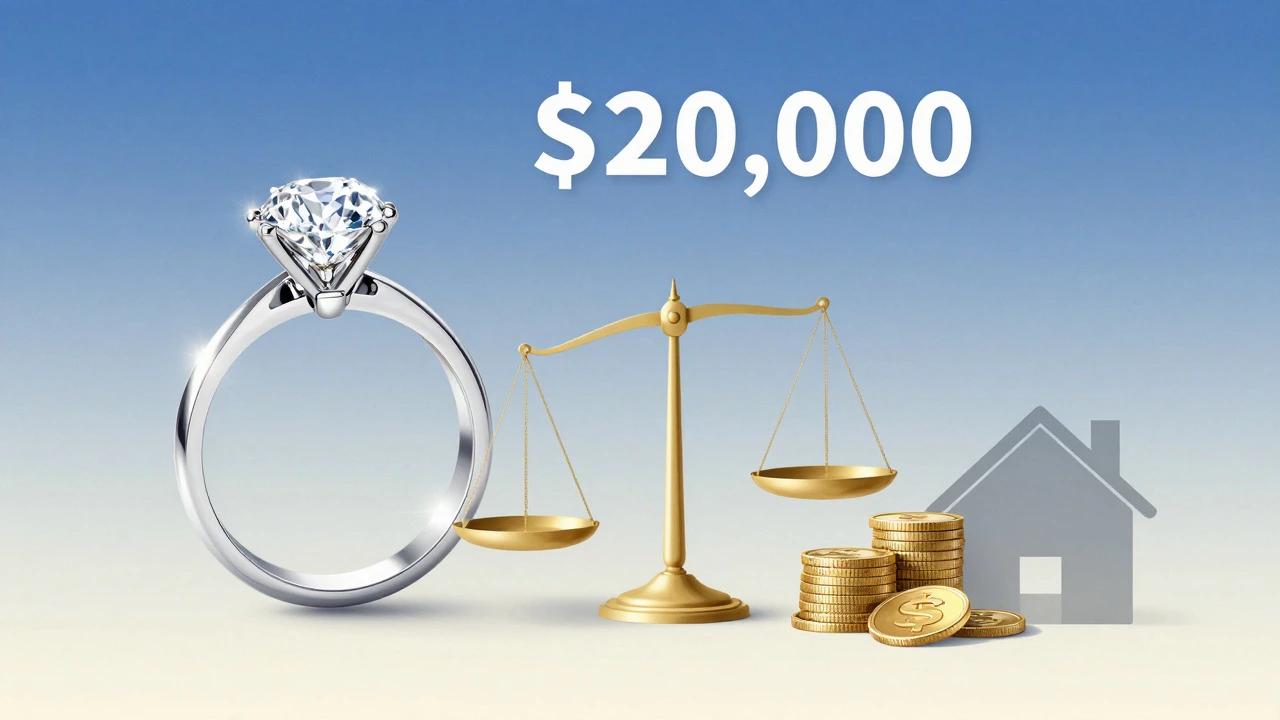
This brings us back to the core question: is it too much? Finance experts will tell you that jewelry is a depreciating asset. Unlike a house or stocks, a diamond loses value the moment you walk out of the store. Resale value is typically 30% to 50% of the retail price. So, financially, spending $20,000 is rarely a smart "investment."
But weddings aren’t purely financial transactions. They are emotional milestones. For some couples, the ring symbolizes a lifetime of shared prosperity. If $20,000 doesn’t impact your ability to save for retirement, pay off debt, or fund your honeymoon, then the number itself is arbitrary. The risk comes when this purchase creates stress. If you’re maxing out credit cards or dipping into emergency funds for a ring, the symbolism gets twisted. Debt-free happiness is always more valuable than a larger carat count.
Alternatives to Consider
If $20,000 feels steep, you have options that don’t mean settling for less style. Moissanite is a brilliant alternative. It’s harder than most gemstones and offers incredible fire at a fraction of the cost. You could get a stunning 3-carat moissanite ring for under $2,000. Another option is vintage or antique rings. Buying pre-owned can offer unique designs and better value, as you’re paying for the craftsmanship rather than the markup of a new stone.
Also, consider the total wedding budget. In Melbourne, a mid-range wedding might cost $30,000 to $50,000. If the ring takes up 40% of that total, you might find yourself cutting corners elsewhere, like on photography or catering. Balance is key. Some couples prefer to splurge on the experience and keep the ring simple, saving for upgrades later.
How to Negotiate and Save
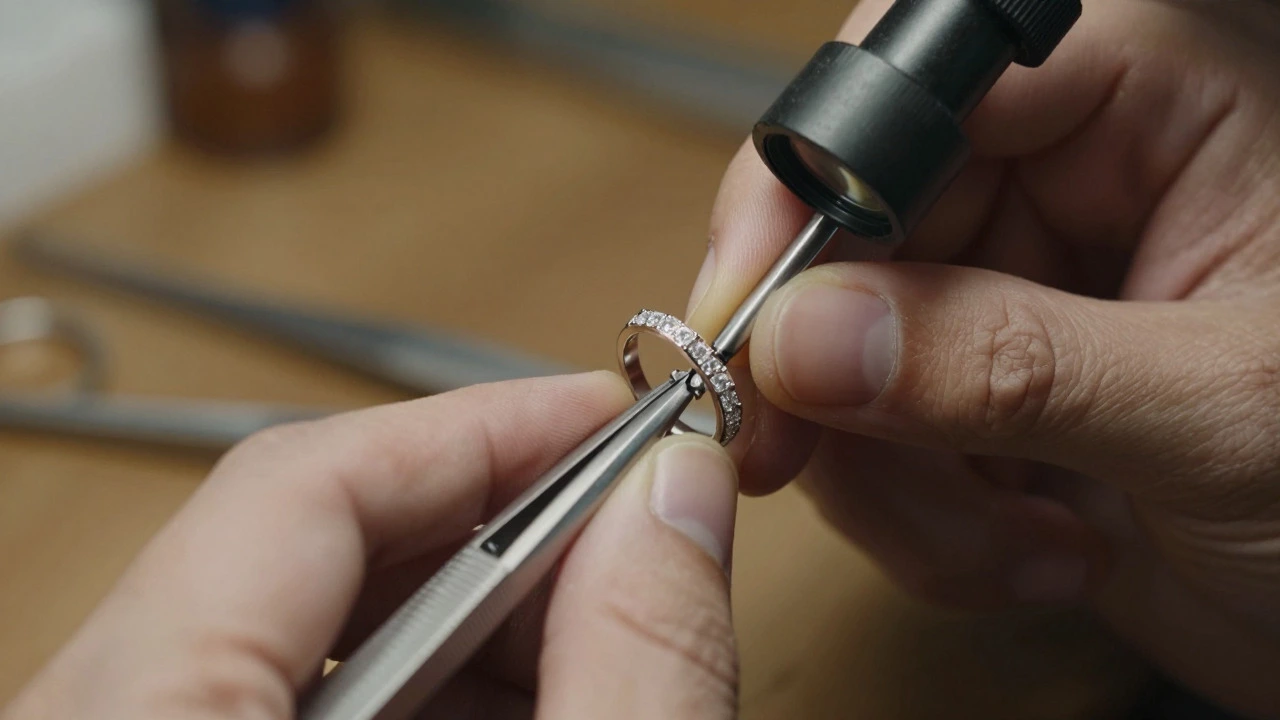
If you are set on a $20,000 ring, know that prices are not always fixed. Independent jewelers often have more flexibility than chain stores. Ask about certifications. Ensure your diamond comes with a GIA (Gemological Institute of America) or AGS (American Gem Society) report. These third-party verifications protect your investment. Without them, you’re guessing on quality.
Timing can also play a role. While diamond prices are relatively stable, end-of-year sales or holiday promotions might offer discounts on the setting or labor. Additionally, buying online from reputable vendors can sometimes yield better prices due to lower overhead costs, though you lose the tactile experience of seeing the ring in person.
Final Thoughts on Big Budgets
So, is $20,000 a lot? Yes, statistically, it is. It is far above the average. But averages don’t dictate personal joy. If you have the means, and the ring represents something meaningful to your relationship without causing financial strain, then it’s a fair price for a symbol of lifelong commitment. Just make sure you’re buying for yourselves, not for Instagram likes or societal expectations. The best ring is one that fits your finger, your heart, and your bank account comfortably.
What is the average cost of an engagement ring in Australia in 2026?
The average cost ranges from AUD $3,500 to $4,500, depending on location and material choices.
Should I buy a natural or lab-grown diamond for $20,000?
If you want maximum size and clarity, choose lab-grown. If you value rarity and traditional prestige, choose natural. Both are chemically identical.
Does a $20,000 ring hold its value?
Generally, no. Retail diamonds depreciate significantly upon purchase. Expect to recover only 30-50% of the cost if reselling.
What certification should I look for?
Always request a GIA or AGS certificate. These provide unbiased grading of the diamond's Cut, Color, Clarity, and Carat weight.
Can I customize a ring with a $20,000 budget?
Yes. This budget allows for high-quality materials and custom design work, including hand-engraving and premium settings like platinum.