Is $100 Too Cheap for Wedding Decorations? A Realistic Guide to Budget Styling
 May, 11 2026
Wedding Decor Budget Planner
Lighting & Ambiance
String lights, fairy lights, candlesGreenery & Natural Elements
Eucalyptus, ivy, foraged branchesTable Accents
Vases, single stems, place cardsPersonal Touches
Photo backdrop, guest book stationTextiles & Fabric
Fabric remnants, draping, chair coversThere is a quiet panic that sets in when you look at the average cost of wedding decor and realize it can easily swallow your entire budget. You might be wondering if spending just $100 on decorations is too cheap, or if it’s simply impossible to create a beautiful atmosphere without breaking the bank. The short answer is no-it is not too cheap. In fact, with smart planning and a shift in perspective, $100 can go further than you think. However, it requires you to rethink what "decor" actually means and where your money delivers the most impact.
Redefining What Wedding Decor Actually Costs
To understand if $100 is enough, we first need to strip away the industry standards that drive prices up. Traditional wedding decor often includes floral centerpieces for every table, elaborate aisle runners, custom lighting rigs, and rented furniture. These items are expensive because they involve labor, perishable goods, and logistics. When people say decor costs thousands, they are usually talking about these high-end elements.
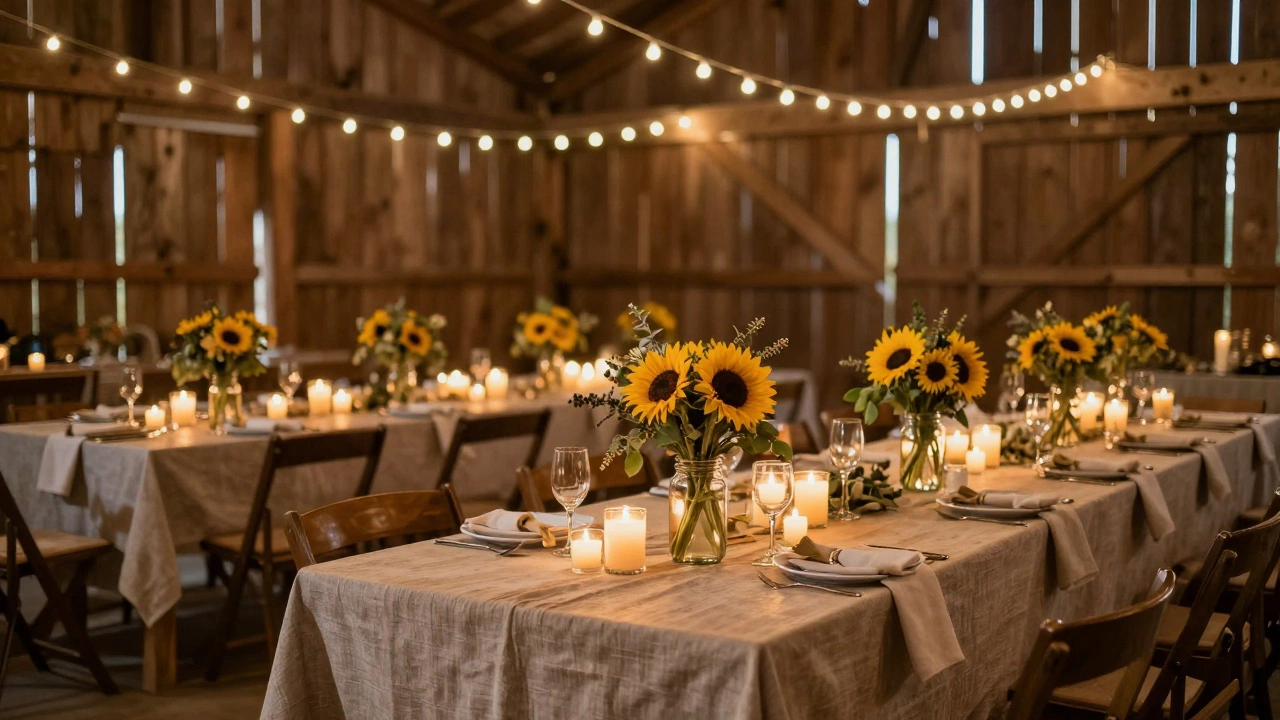
If you limit your scope to essential visual accents, the math changes completely. Instead of decorating every inch of the venue, you focus on high-impact zones: the head table, the welcome area, and perhaps one or two key focal points. This approach allows you to spend $100 on quality materials rather than spreading thin funds across dozens of tables. It forces creativity, which often leads to more personal and memorable results than generic rental packages.
| Item | Traditional Cost (AUD) | Budget Alternative (AUD) | Savings |
|---|---|---|---|
| Floral Centerpieces (10 tables) | $800 - $1,500 | $0 (Use existing candles/glassware) | High |
| Aisle Runner | $150 - $300 | $20 (Fabric scraps or petals) | Medium |
| Welcome Sign | $100 - $200 | $15 (Chalkboard or digital screen) | High |
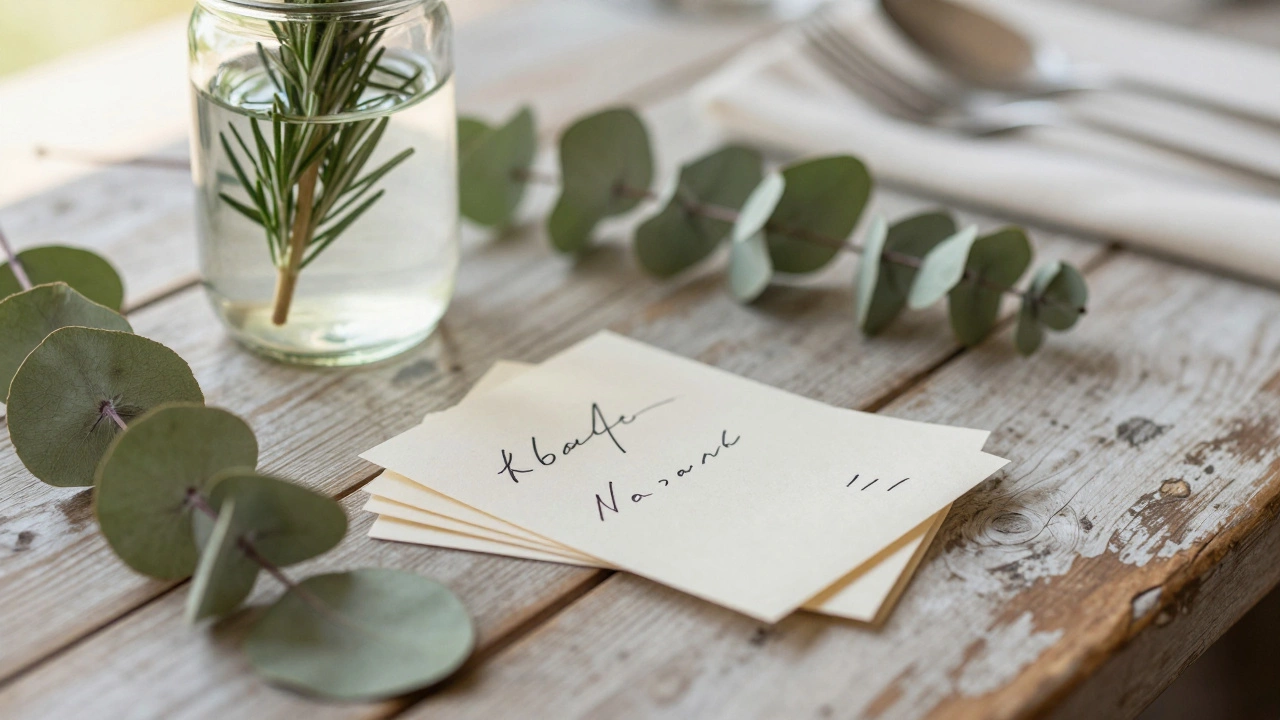
| Table Numbers | $50 - $100 | $5 (Handwritten cards) | High |
| Lighting Uplights | $500+ | $0 (Natural ambiance) | Very High |
The Power of Venue Choice in Budget Decor
Your venue is the biggest factor in whether $100 is sufficient. If you choose a blank canvas like a community hall or a raw industrial space, you will need to buy everything from scratch-tables, chairs, linens, and decor. In this scenario, $100 is barely enough to cover a few flowers. However, if you select a venue that already has character, you save thousands.
Consider venues like historic libraries, botanical gardens, or even a beautifully decorated family home. These locations provide built-in aesthetics. A library offers bookshelves and warm wood tones; a garden provides natural greenery and light. By leveraging the existing architecture and surroundings, you reduce the need for artificial decorations. Your $100 budget then shifts from "creating" an atmosphere to "enhancing" one. You might spend that money on a single stunning centerpiece for the sweetheart table or elegant candle holders, knowing the rest of the room already looks great.
DIY Strategies That Look Expensive
Doing things yourself is the only way to stretch $100 effectively, but it must be done strategically. Not all DIY projects save money; some cost more in time and material waste. Focus on low-cost, high-visual-impact items.
- Candles: Candles are the cheapest way to add warmth and elegance. Buy bulk pillar candles or tea lights from discount stores. Place them in mismatched glass jars collected from thrift shops. The flickering light creates intimacy without costing much.
- Natural Elements: Forage for eucalyptus, pine cones, or branches if you are in a rural area. Use local markets for seasonal flowers like sunflowers or daisies, which are far cheaper than roses or peonies. Arrange them loosely in mason jars or vintage bottles.
- Paper Crafts: Paper lanterns, garlands, and confetti are inexpensive and colorful. You can make paper pom-poms or origami cranes for a unique touch. Just ensure the paper quality is good to avoid a cheap look.
- Textiles: Instead of buying new tablecloths, use fabric remnants. Drape them casually over chairs or tables for a bohemian feel. Old sheets can be bleached or dyed for a uniform look.
Where to Spend Your $100 Wisely
If you have exactly $100, do not spread it thinly. Concentrate your spending on areas guests will photograph and remember. Here is a realistic allocation plan:
- $40 on Lighting: Purchase string lights or fairy lights. Hang them overhead or weave them through trees. Good lighting transforms any space instantly.
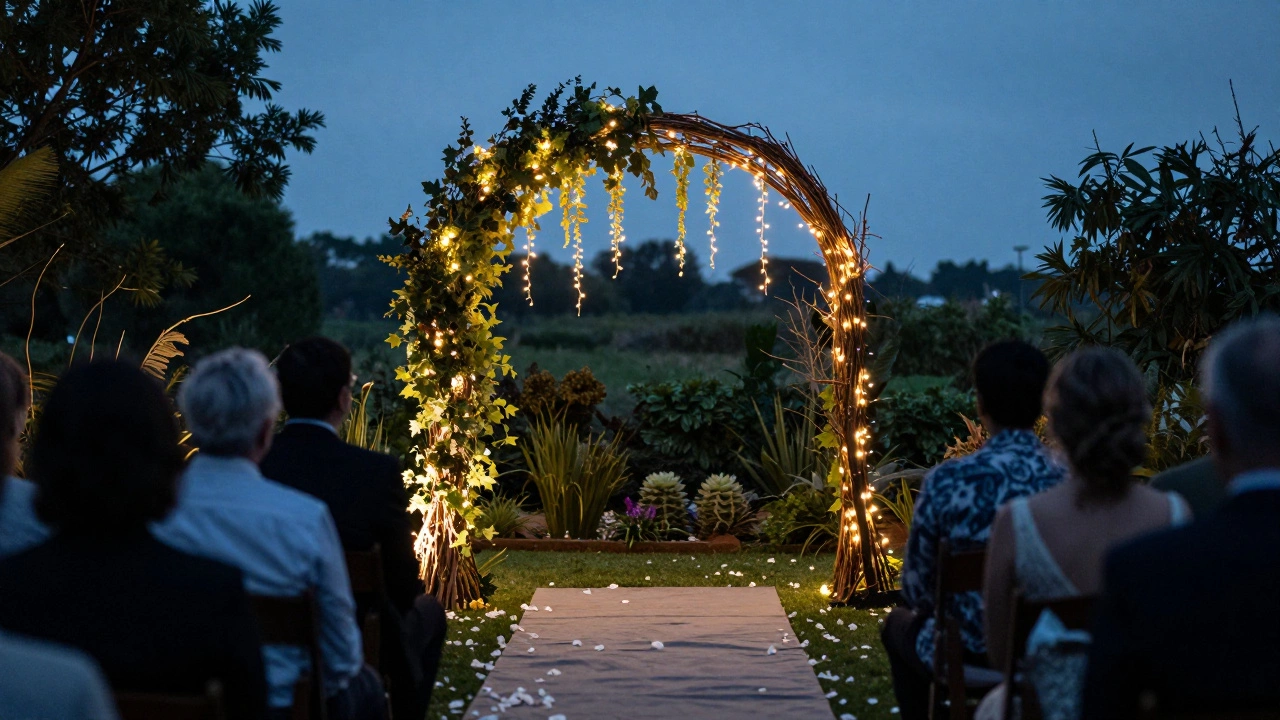
- $30 on Greenery: Buy a few large bundles of eucalyptus or ivy. Use them as simple garlands along the head table or as accents on ceremony arches.
- $20 on Table Accents: Get small vases or glasses. Fill them with single stems of wildflowers or herbs like rosemary. Add handwritten place cards on cardstock.
- $10 on Personal Touches: Print a custom photo backdrop or create a small guest book station with nice pens and paper. These details show effort and care.
This focused approach ensures that every dollar contributes to the overall aesthetic. Guests notice the mood and the personal touches more than they notice the number of flowers on each table.
Common Pitfalls to Avoid
When working with a tight budget, it is easy to make mistakes that make the decor look cheap rather than stylish. Avoid these common traps:
- Overcrowding: Less is more. Cluttered tables look messy, not festive. Leave empty space to let your few decorative elements shine.
- Inconsistent Themes: Stick to one color palette or style. Mixing too many different types of decor can look chaotic. Choose earth tones, pastels, or monochrome and stick to it.
- Ignoring Logistics: Make sure your DIY items are safe. Do not place open flames near flammable materials. Ensure tables are stable and decorations are secure against wind if outdoors.
- Underestimating Time: DIY takes time. Start early so you do not rush and buy expensive last-minute solutions. Involve friends and family to help assemble items.
When $100 Might Not Be Enough
While $100 is possible for minimal decor, there are scenarios where you should consider increasing the budget slightly. If you have a large guest count (over 100), maintaining a consistent look becomes harder with such a low budget. You might need more candles or larger arrangements. Additionally, if your venue is stark white and windowless, you may need more substantial decor to break up the emptiness. In these cases, adding another $100-$200 could significantly improve the outcome by allowing for more coverage and variety.
Also, consider the value of renting versus buying. Sometimes renting a few key items, like a beautiful arch or specialty chairs, is more cost-effective than buying cheap alternatives that you will discard after the wedding. Calculate the long-term value before deciding.
Can I really decorate a whole wedding for $100?
Yes, but it requires careful selection of items and a venue that already has character. Focus on lighting, candles, and natural elements. Avoid expensive florals and rentals. DIY projects and repurposed household items can significantly reduce costs while maintaining elegance.
What are the best cheap alternatives to floral centerpieces?
Candles in glass jars, potted plants that guests can take home, books stacked with small succulents, or simple glass vases with single stems of wildflowers. These options are visually appealing and cost a fraction of traditional floral arrangements.
How do I make my wedding look expensive on a budget?
Focus on lighting and texture. String lights create a magical atmosphere. Use fabrics with interesting textures like linen or velvet. Keep your color palette cohesive and avoid clutter. Quality over quantity is key-fewer, well-placed items look better than many cheap ones.
Should I rent or buy decor items for a budget wedding?
Rent items that are bulky, expensive, or difficult to store, like large arches or specialty chairs. Buy small items like candles, vases, and tableware, especially if you can reuse them later. Thrift stores are great for finding unique glassware and frames at low prices.
What is the most important part of wedding decor?
The atmosphere created by lighting and music. While visuals matter, the mood is what guests remember. Warm, soft lighting combined with good music can make a simple space feel romantic and inviting, regardless of how much was spent on physical decorations.