How to Feed 100 Wedding Guests on a Budget: The Cheapest Catering Options
 Aug, 13 2026
Wedding Budget Catering Calculator
Configure Your Event
Estimated Cost Breakdown
Total Estimated Cost
- Food Cost (Low) $8,000
- Food Cost (High) $15,000
- Drinks Estimate $4,000
Switching to a Buffet could save you up to 40% on labor costs compared to a plated dinner.
Feeding one hundred people at a wedding usually feels like a financial nightmare. You picture endless plates of expensive meat, waiters carrying heavy trays, and a bill that makes your eyes water. But here is the truth: you do not need to break the bank to serve good food. In fact, some of the most memorable weddings I have seen involved simple, hearty meals that cost a fraction of traditional sit-down dinners. If you are planning a wedding in Melbourne or anywhere else, the key to saving money lies in choosing the right format and ingredients.
The goal is not just to save cash; it is to keep your guests happy and full without sacrificing taste. By shifting away from rigid three-course plated meals, you open up a world of delicious, affordable options. Let’s look at exactly how to pull this off, step by step.
Why Plated Dinners Are Your Biggest Expense
To understand how to cut costs, you first need to know where the money goes. A traditional plated dinner is a formal meal service where each guest receives individual courses served by staff is the most expensive way to feed a crowd. Why? Because it requires a massive amount of labor. For every ten guests, you might need one server. That means for 100 people, you are paying for eight to ten servers, plus kitchen staff, plus management fees.
Then there is the waste. With plated dinners, you must prepare exact portions. If someone doesn’t show up, that food is often thrown away. Plus, the logistics of heating and plating hot food for 100 people simultaneously require specialized equipment and timing that drives up the price tag. In Australia, average costs for a basic plated dinner can range from $80 to $150 per person. For 100 guests, that is $8,000 to $15,000 before alcohol. Ouch.
The Buffet Advantage: Less Labor, More Flavor
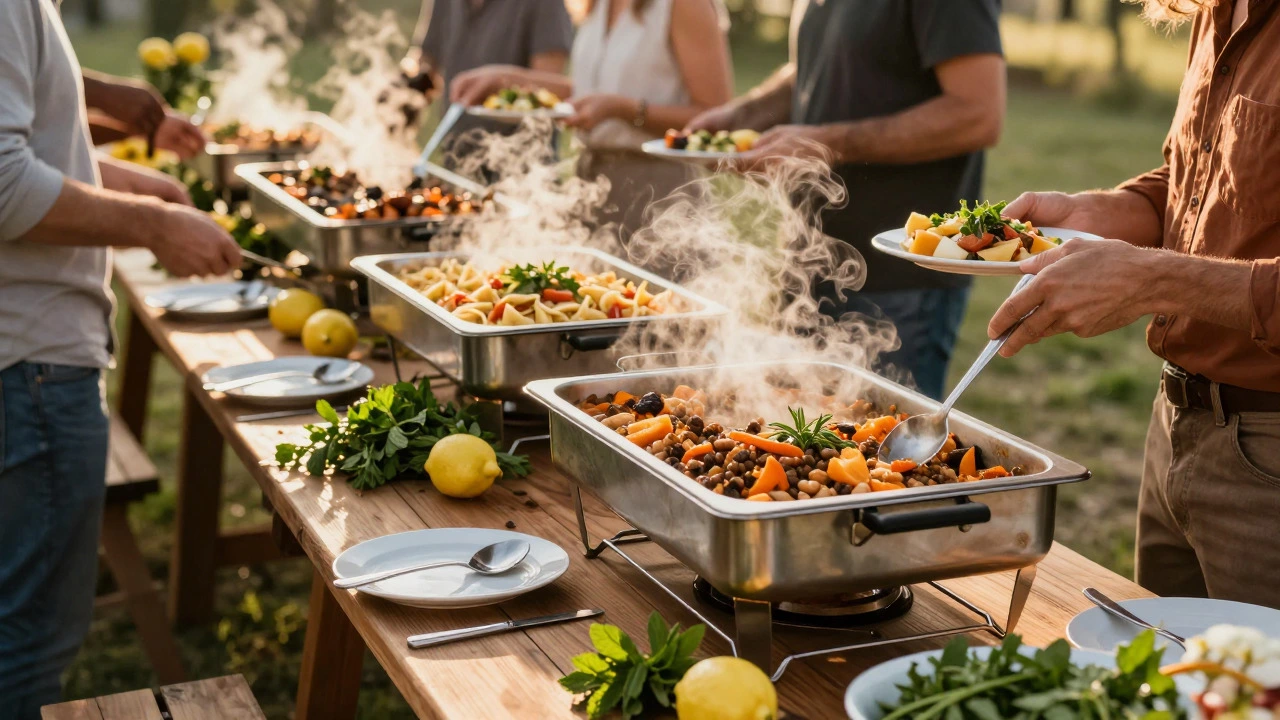
If you want to slash that bill, switch to a buffet style is a self-service meal format where guests select their own food from shared stations. This is widely considered the cheapest way to feed large groups. Here is why: you need far fewer staff members. Instead of servers running around with trays, you only need a few people to replenish dishes and clear tables later. This reduces labor costs by up to 40%.
Beyond the labor savings, buffets allow for bulk cooking. Large pots of pasta, rice, or stew are cheaper to produce than individual steaks. You can also control portion sizes better because guests serve themselves. Most people will take what they can eat, reducing the amount of food wasted compared to pre-plated meals where everyone gets a full portion regardless of appetite.
Food Formats That Save Money
Not all buffets are created equal. To get the best value, consider these specific formats:
- Family Style: Large platters are placed on tables, and guests pass them around. This feels intimate and communal. It works well for 100 people if you have smaller tables of six to eight. It requires less tableware than individual plates but more than a buffet line.
- Food Trucks: Hiring two or three local food trucks is a trendy and cost-effective option. You pay a flat fee per truck, which often includes staff and setup. In Melbourne, you can find gourmet burger or taco trucks that charge between $15 and $25 per head. This is significantly cheaper than hotel catering.
- Boxed Lunches: Yes, really. High-quality boxed lunches (like those from artisan delis) can be elegant and very cheap. Think gourmet sandwiches, salads, and desserts in nice packaging. It eliminates the need for serving staff entirely.
Cheapest Menu Items for Large Groups
What you put on the plate matters just as much as how you serve it. Meat is expensive. Vegetables and grains are not. Here is a breakdown of cost-effective menu items that still taste great:
| Menu Item | Estimated Cost (AUD) | Pros | Cons |
|---|---|---|---|
| Pasta Bar | $15 - $25 | Highly customizable, filling, cheap ingredients | Can become cold quickly |
| Taco Station | $20 - $30 | Interactive, uses cheaper cuts of meat, fun atmosphere | Messy, requires napkins |
| Brunch Buffet | $25 - $35 | Eggs and bacon are cheaper than beef, lighter meal | Less "celebratory" feel for some |
| Vegan/Vegetarian Main | $18 - $28 | Lentils, chickpeas, and tofu are very cheap | Some meat-eaters may complain |
| Steak Dinner | $60 - $90+ | Traditional, perceived as high-value | Very expensive, high waste risk |
A pasta bar is a station offering various pasta shapes, sauces, and toppings for guests to customize is a winner for budget weddings. Pasta is incredibly cheap to buy in bulk. You can offer three sauces: a rich tomato bolognese, a creamy carbonara-style sauce, and a light olive oil and garlic option. Add some roasted vegetables and parmesan cheese, and you have a meal that satisfies everyone for under $25 per person.
Another smart move is to embrace plant-based mains. Lentil stews, chickpea curries, and vegetable lasagnas are hearty, delicious, and cost a fraction of lamb or beef. Even if you serve a small portion of meat as a side, making the main dish vegetarian drastically lowers the total food bill.
Drinks: The Hidden Cost Killer
People often forget about drinks when calculating catering costs. An open bar can easily double your food bill. If you are trying to feed 100 people cheaply, you must control the alcohol situation. Here are three strategies:
- Beer and Wine Only: Skip the cocktails. Set up a self-serve beer and wine station. Buy cases of local Australian beer and house wines. This is much cheaper than hiring bartenders to mix drinks.
- Cocktail Hour Only: Offer free alcohol only during the first hour after the ceremony. After that, switch to non-alcoholic beverages. This limits consumption while still giving guests a celebratory drink.
- BYO Alcohol: If your venue allows it, let guests bring their own wine. Charge a small corkage fee (around $10-$15 per bottle) to cover glassware and cleanup. This shifts the cost to the guests.
For non-alcoholic options, avoid buying hundreds of cans of soda. Instead, set up a lemonade or mocktail bar is a DIY station with fresh fruits, herbs, and sparkling water for guests to make their own drinks. Fresh lemons, mint, and strawberries are cheap and look beautiful. Guests love mixing their own drinks, and it keeps hydration levels up.
DIY vs. Caterer: Where to Draw the Line
Can you cook for 100 people yourself? Technically, yes. But practically, it is risky. Cooking for that many people requires industrial-sized equipment and strict health safety standards. However, you can do a hybrid approach. Hire a caterer for the main course (the hard part) and handle the sides, desserts, or snacks yourself.
For example, ask a family member who loves baking to make the wedding cake or cupcakes. Make your own bread rolls or salad dressings. These small touches add personal flair and save hundreds of dollars. Just remember to check with your venue about health regulations for homemade food.

Timing Matters: Brunch Over Dinner
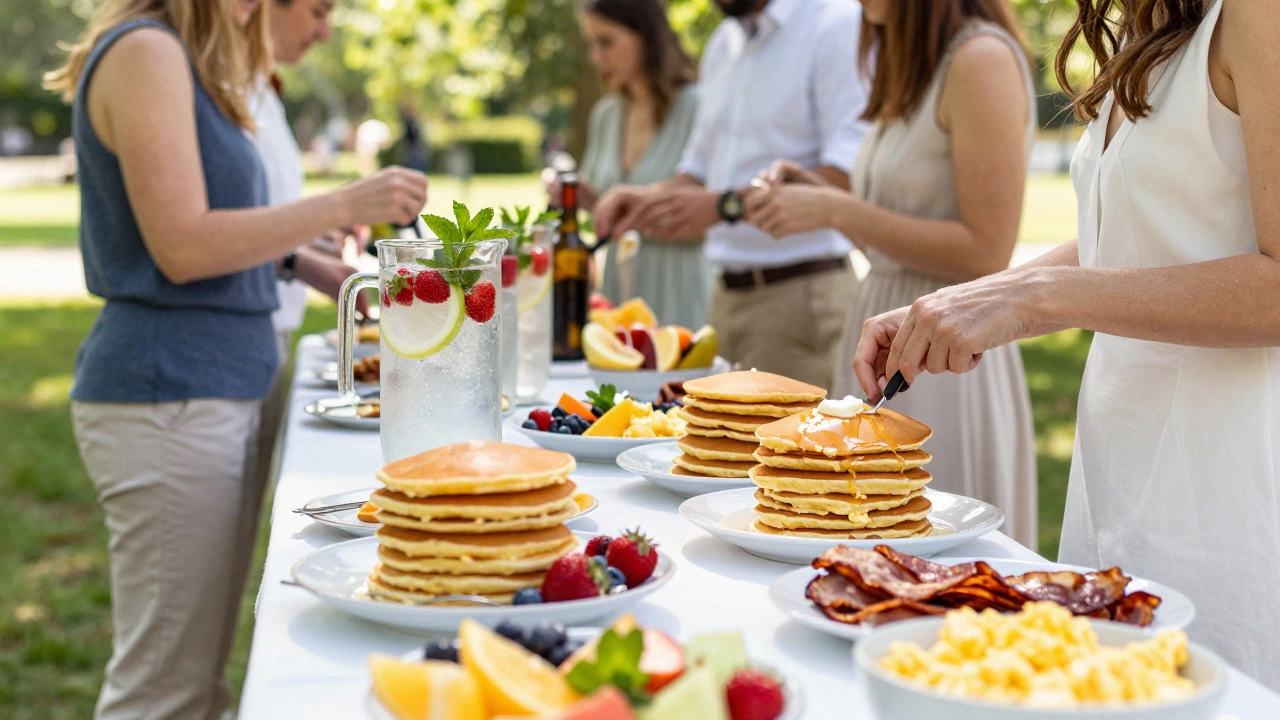
When you hold the wedding changes the cost. A wedding brunch is a morning or early afternoon wedding celebration featuring breakfast and lunch foods is significantly cheaper than a dinner reception. Breakfast foods like eggs, bacon, pancakes, and fruit are inexpensive. Plus, guests tend to eat less at brunch than they do at a late-night dinner. Alcohol consumption is also lower during the day, leading to further savings.
If you can convince your guests to meet at 11 AM instead of 7 PM, you could save thousands. Pair this with a casual outdoor venue, and you have a beautiful, low-cost wedding experience.
Common Pitfalls to Avoid
Even with a tight budget, mistakes can happen. Avoid these common traps:
- Underestimating Quantities: Always order 10-15% more food than you think you need. Running out of food is worse than having leftovers. Leftovers can be donated or taken home by guests.
- Ignoring Dietary Restrictions: Having no gluten-free or vegan options forces guests to skip the meal or bring their own, which is awkward. Include at least one clearly labeled safe option for each major allergy.
- Choosing Expensive Venues: Hotels and banquet halls charge high minimums. Look at community centers, parks, or even a friend’s backyard. The venue fee often dictates your catering budget.
Final Thoughts on Budget Feeding
Feeding 100 people does not have to mean spending a fortune. By choosing a buffet or food truck format, focusing on cheap but tasty ingredients like pasta and vegetables, and controlling alcohol costs, you can create a memorable meal for under $30 per person. The key is to prioritize flavor and experience over formality. Your guests will care more about whether they enjoyed the food and the company than whether they had a silver spoon or a steak. Plan wisely, communicate clearly with vendors, and enjoy your special day without the financial stress.
What is the absolute cheapest food to serve at a wedding?
The absolute cheapest foods are grains and legumes. Dishes like lentil soup, bean chili, pasta with tomato sauce, and rice pilaf are extremely low-cost per serving. When combined with seasonal vegetables, these ingredients can provide a filling and nutritious meal for under $15 per person in Australia.
Is it cheaper to hire a caterer or cook yourself for 100 people?
For 100 people, hiring a caterer is usually safer and often comparable in cost if you choose a budget-friendly format like a buffet. Cooking yourself requires significant equipment, time, and liability insurance. However, a hybrid approach where you handle desserts and sides while a caterer handles mains can balance cost and convenience.
How much should I budget per person for wedding food in 2026?
In 2026, a realistic budget for budget-conscious wedding catering in Australia ranges from $25 to $40 per person for food only. This covers buffet-style meals or food truck options. Plated dinners typically start at $60+ per person. Always add GST and any service charges to your calculations.
Can I use disposable plates to save money?
Yes, using high-quality compostable or paper plates can save on rental and washing costs. Many venues charge for dish rentals and cleaning. Opting for sturdy, elegant-looking disposables can reduce overhead, especially for outdoor weddings or casual receptions.
Are food trucks reliable for large weddings?
Food trucks can be very reliable if booked well in advance. They come with their own power, cooking equipment, and staff. Ensure the truck can access your venue and has space to operate. Book at least 6-12 months ahead, especially for peak wedding seasons in spring and autumn.