How Many Layers Are in a Wedding Cake Tier?
 Dec, 15 2025
Wedding Cake Layer Calculator
Enter Cake Details
Why This Matters
Important: Each tier contains multiple cake layers stacked with filling. A single 'tier' isn't one piece of cake. Professional bakers typically use 2 layers per tier for stability and easier slicing.
Pro Tip: Three layers are recommended for larger cakes (over 10 inches), delicate batters, or when using multiple fillings. Always ask your baker about dummy tiers (non-edible decorative tiers).
When you see a towering wedding cake with three or four graceful tiers, it’s easy to assume each tier is one solid piece of cake. But that’s not how it works. Behind every elegant tier is a carefully built stack of layers - and knowing how many layers go into each tier makes all the difference when you’re planning your cake.
One tier, multiple layers
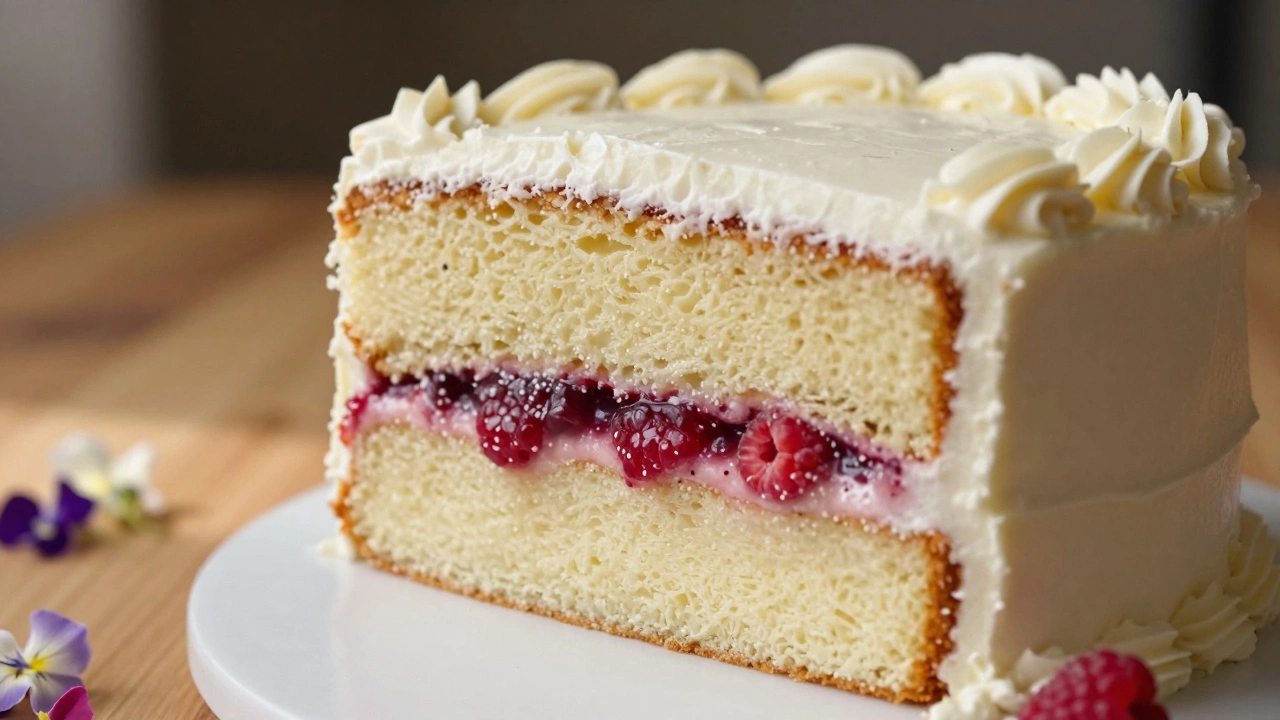
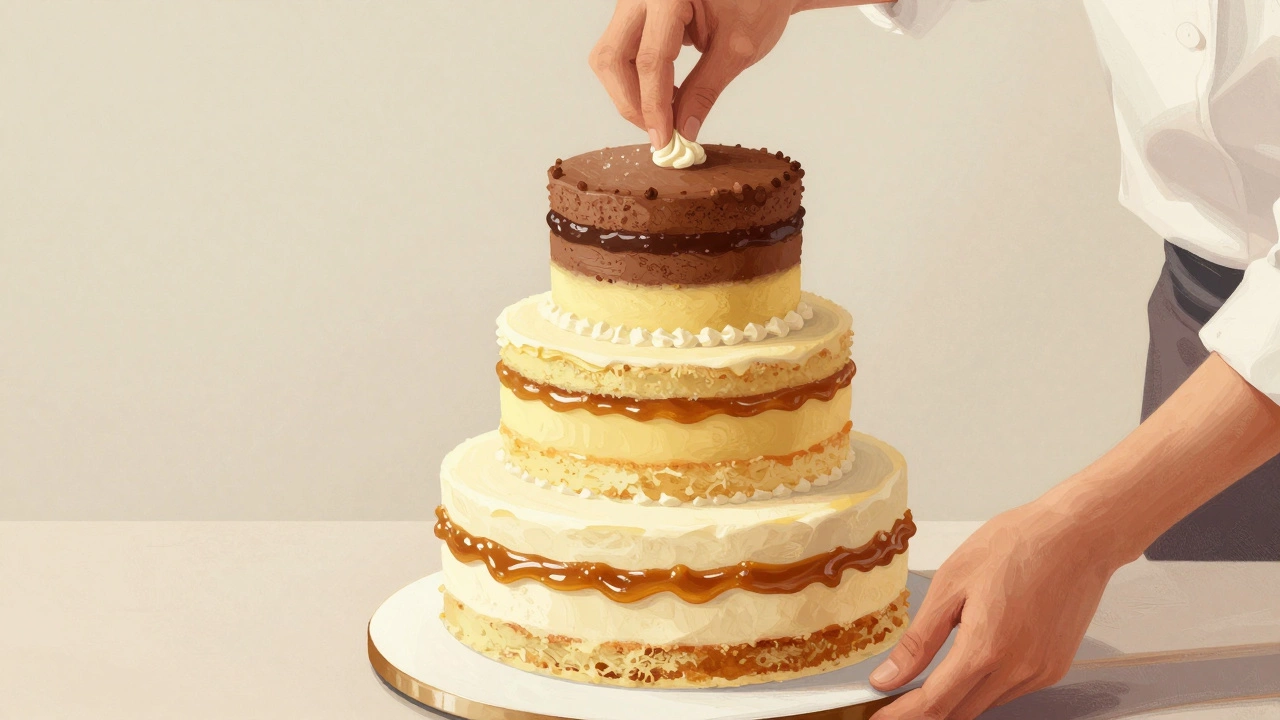
A single tier of a wedding cake isn’t just one big cake. It’s usually made up of two or three individual cake layers, stacked with frosting or filling in between. Most professional bakers use two layers per tier as the standard. That means a three-tier cake has six layers total - not three. Some bakers go for three layers per tier, especially if the cake is meant to be extra moist or if the couple wants more filling variety.Why stack layers at all? It’s not just for looks. Multiple layers give the cake structure. A single thick layer of cake can crack or sink under its own weight. Two or three thinner layers, separated by buttercream or fruit filling, hold up better. They also make slicing easier. Imagine trying to cut through a 3-inch-thick sponge cake - it’s messy. Two 1.5-inch layers? Clean, even slices every time.
What determines the number of layers?
The number of layers isn’t random. It’s based on cake type, flavor, and how the cake will be served. A light sponge cake, like a genoise or angel food, usually needs three layers because it’s delicate. Without enough layers, it won’t hold the weight of the frosting or the tier above it. A denser cake, like a chocolate fudge or carrot cake, can often get by with just two layers because it’s more stable.Flavor variety also plays a role. Couples often want different fillings in each tier - maybe raspberry buttercream in the bottom, lemon curd in the middle, and salted caramel on top. Each flavor needs its own layer. So if you want three fillings in one tier, you need three cake layers with filling between them.
Some bakers use a technique called a "cake board" or "dowel support" between layers. This isn’t a layer of cake - it’s a thin cardboard or plastic disc that helps keep the tiers from sinking. It’s invisible once the cake is covered in fondant or buttercream. But it’s not a cake layer. Don’t count it.
How many layers in common tiered cakes?
Here’s what you’ll typically see in real wedding cakes, based on what bakers in Melbourne and beyond actually build:- Two-tier cake: Usually 2 layers per tier → 4 layers total
- Three-tier cake: 2 layers per tier → 6 layers total (most common)
- Three-tier cake with extra height: 3 layers per tier → 9 layers total
- Four-tier cake: 2 layers per tier → 8 layers total
- Four-tier cake with luxury fillings: 3 layers per tier → 12 layers total
Some bakers offer "mini-tier" cakes - smaller tiers stacked on top of a larger base. These still follow the same layer rules. Even a 4-inch mini tier has two or three layers inside.
Why do some cakes look like they have more tiers than layers?
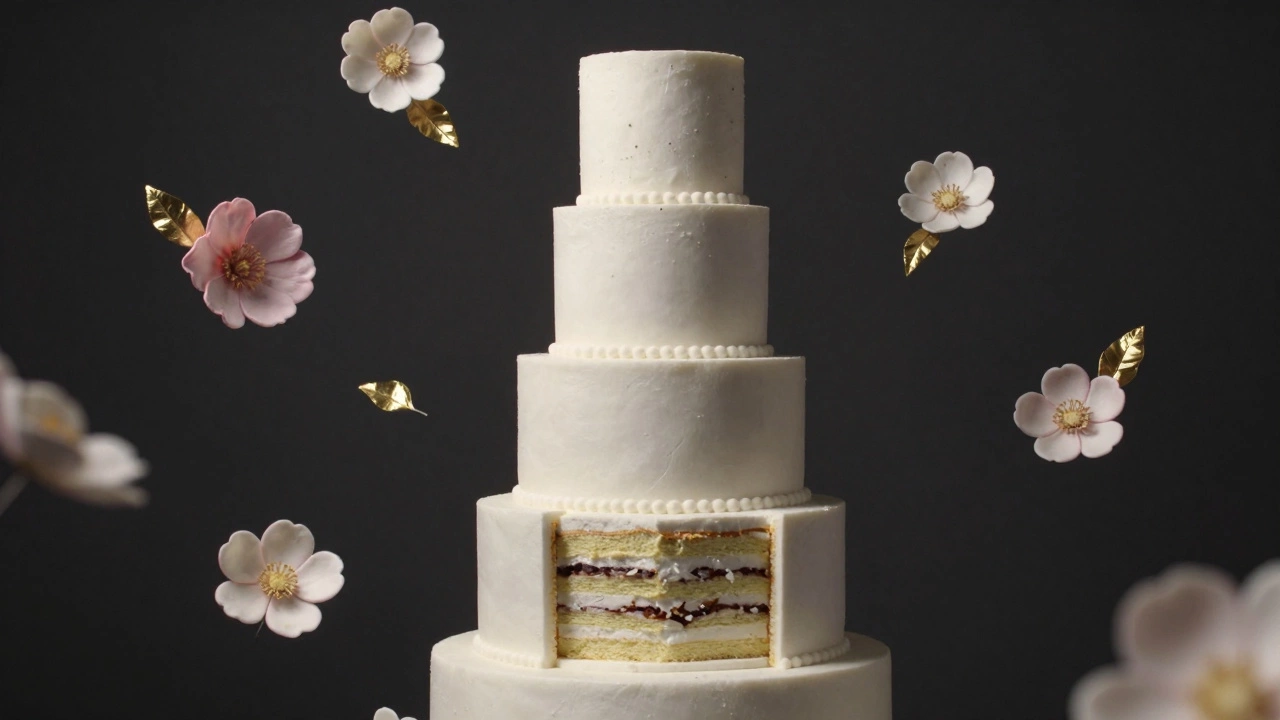
You might see a cake with five visible tiers but only six layers total. That’s because some tiers are decorative. A cake might have a true cake tier (with layers) and then a smaller, non-edible tier made of foam or plastic, just for show. These are called "dummy tiers." They add height and drama without adding cost or weight. They don’t have any cake layers inside.If you’re ordering a cake and care about how much you’re actually eating, ask your baker: "How many edible layers are in each tier?" Some couples are surprised to find out their 5-tier cake only has 8 real cake layers - the rest are just for looks.
What happens if you skip layers?
Skipping layers to save money or simplify the cake sounds smart - until the cake collapses. I’ve seen it happen. A baker tried to cut costs by using one thick layer per tier. The bottom tier cracked under the weight of the next. The filling oozed out. The fondant tore. The couple had to serve cake from a backup sheet cake.Another issue: flavor imbalance. One thick layer means one flavor. Two or three layers let you layer in different tastes - chocolate, vanilla, red velvet - and keep the cake from being too sweet or too dense. It’s not just about looks. It’s about taste, texture, and stability.
What do professional bakers recommend?
Most experienced wedding cake makers in Australia, including those in Melbourne, stick to two layers per tier as the sweet spot. It’s reliable, cost-effective, and gives the best balance of flavor and structure. If the cake is over 10 inches in diameter or has heavy decorations (like sugar flowers or gold leaf), they’ll go to three layers.They also use a simple rule: for every inch of cake height, you need at least 0.75 inches of cake and 0.25 inches of filling. So a 3-inch-tall tier? That’s two 1.25-inch cake layers with 0.5 inch of filling in between.
How to talk to your baker about layers
Don’t just ask, "How many tiers?" Ask, "How many layers are in each tier?" and "What’s the filling between them?"Here’s what to say:
- "I’d like two layers per tier with a fruit filling in the middle. Is that doable?"
- "Will the cake hold up if we add heavy sugar flowers on top?"
- "Can we have a different flavor in each layer?"
- "Are any of the tiers dummy tiers?"
Good bakers will show you a diagram. They’ll explain why they chose two layers instead of one. They’ll tell you what happens if you skip the layers. Don’t be shy - this is your cake. You deserve to know what’s inside.
What about gluten-free or vegan cakes?
Gluten-free and vegan cakes are often more fragile. They need more layers, not fewer. A single gluten-free layer can crumble under pressure. Most bakers use three layers for these cakes, with extra support like cake dowels or a stabilizing gel. Don’t assume they’re the same as regular cakes. Ask for their gluten-free layering protocol.Same goes for vegan buttercream. It can be softer. More layers mean more structure. A three-layer vegan cake with a firm filling (like coconut whipped cream and jam) holds up better than a two-layer version.
Final takeaway
There’s no one-size-fits-all answer, but here’s the rule most bakers follow: two layers per tier is the standard. Three layers are for special cases - larger cakes, delicate batters, or couples who want more flavor variety. Always confirm the number of layers with your baker. And if your cake looks taller than it should be, ask if any tiers are fake. You’re paying for edible cake, not decoration.Remember: a wedding cake isn’t just a dessert. It’s a structure. It’s science. It’s flavor engineering. And every layer matters.
How many layers are typically in a wedding cake tier?
Most wedding cake tiers have two layers of cake with filling between them. This is the standard for stability, flavor, and ease of slicing. Some bakers use three layers for larger cakes, delicate batters, or when multiple fillings are desired.
Can a wedding cake tier have just one layer?
Technically yes, but it’s not recommended. A single thick layer can crack, sink, or become too dense. Most professional bakers avoid single-layer tiers because they’re unstable and harder to slice evenly. If a baker suggests one layer, ask why - and whether they’ve had issues with it before.
Do dummy tiers have cake layers inside?
No. Dummy tiers are made from foam, plastic, or cardboard and are purely decorative. They add height and visual impact but are not edible. Always ask your baker which tiers are real and which are dummy if you’re budgeting for cake servings.
Why do some wedding cakes have more layers than tiers?
Because each tier is built from multiple cake layers. A three-tier cake with two layers per tier has six layers total. This structure provides strength, allows for flavor variety, and makes slicing easier. More layers = better texture and more control over taste and stability.
Should I pay more for a cake with three layers per tier?
Usually, yes - but only if you want it. Three layers mean more cake, more filling, and more labor. It’s worth it if you love layered flavors or have a large guest count. But for most couples, two layers per tier gives the same taste experience at a lower cost. Ask your baker for a price breakdown.