How Long Will a Wedding Cake Stay Fresh? Storage Guide for Bakers
 Aug, 3 2026
Wedding Cake Freshness & Safety Calculator
Cake Configuration
Analysis Result
Detailed Breakdown:
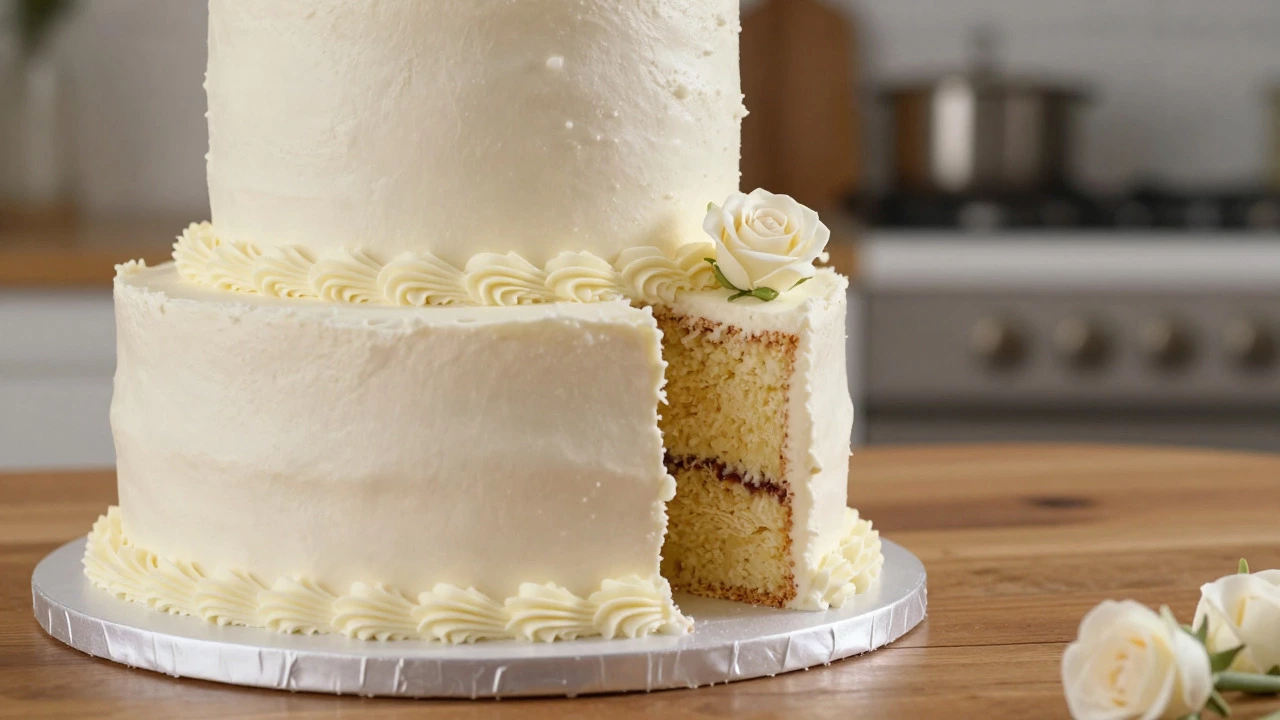
You’ve spent weeks designing the tiers, piping the buttercream roses, and leveling the layers. The big day is over, the photos are taken, and now you’re staring at a beautiful, multi-tiered masterpiece that needs to survive the night-or perhaps even longer. How long will a wedding cake stay fresh? The answer isn’t just one number. It depends entirely on what’s inside those layers and how you treat them.
If you leave a standard vanilla sponge with buttercream out on the counter, it might taste perfect for three days. But switch that to a lemon filling or a cream cheese frosting, and you’re looking at a food safety hazard after just eight hours. As a baker, knowing these limits protects your reputation and keeps guests safe. Let’s break down exactly how different ingredients affect shelf life and how to store the cake correctly.
The Role of Frosting in Shelf Life
Frosting acts as the protective skin of your cake. It seals in moisture and keeps air out, which is why properly frosted cakes last longer than naked ones. However, not all frostings are created equal when it comes to longevity and safety.
Buttercream, made primarily from butter and sugar, is non-perishable at room temperature. Because sugar acts as a preservative and butter has low water activity, American buttercream can sit safely on the counter for up to three days. Swiss meringue buttercream behaves similarly but may soften faster in humid climates due to its higher egg white content.
In contrast, Cream Cheese Frosting contains dairy products that spoil quickly. The FDA recommends keeping perishable foods out of the "danger zone" (40°F to 140°F) for no more than two hours. If your venue runs warm, that window shrinks to one hour. Cream cheese frosting must be refrigerated within two hours of serving, and once chilled, it changes texture significantly, becoming hard and crumbly until brought back to room temperature.
Ganache, made from chocolate and heavy cream, sits somewhere in between. While chocolate is stable, the cream component requires refrigeration if the ambient temperature exceeds 75°F. For short-term display (under 6 hours), ganache-covered cakes can remain out, but they should be cooled afterward.
Fillings: The Hidden Risk Factor
The exterior might look fine, but the interior filling determines the true expiration date. Fruit-based fillings like raspberry jam or lemon curd contain high acidity and moisture. While acidic environments inhibit some bacterial growth, the moisture creates a breeding ground for mold if left unrefrigerated for too long.
Custards, mousses, and whipped cream fillings are strictly perishable. These require constant refrigeration below 40°F. If you’re baking a cake with pastry cream or diplomat cream, plan to serve it within four hours of assembly, or keep it chilled until the moment of cutting. Never assume that because the outer layer is buttercream, the inner custard is safe at room temperature.
Dried fruit fillings, such as apricot glaze or fig compote reduced to a thick paste, have lower water activity and can safely remain at room temperature for up to three days, provided the surrounding cake doesn’t dry out.
Storage Conditions: Temperature and Humidity
Where you store the cake matters as much as what’s in it. Ideal storage conditions involve a cool, dark place away from direct sunlight and heat sources. A kitchen cabinet away from the stove works well for short-term storage.
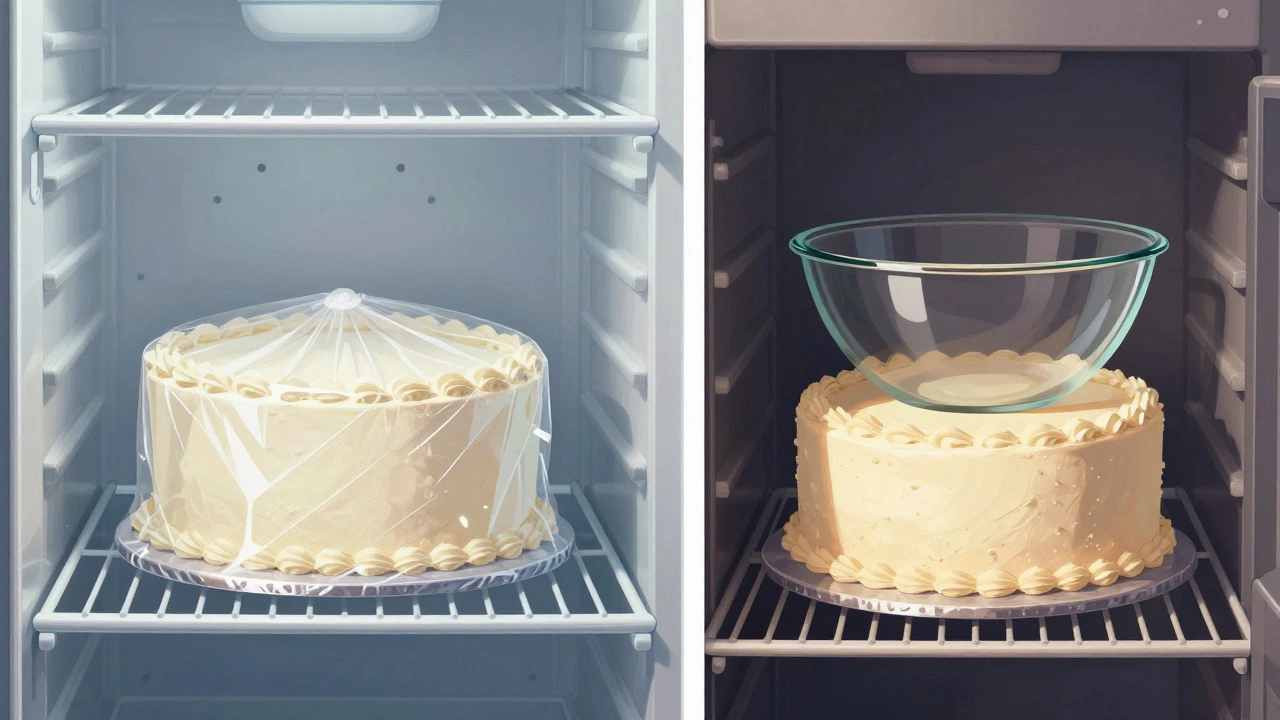
Humidity is the enemy of crisp decorations but the friend of moist crumb. In very dry climates, cakes lose moisture rapidly through evaporation. Covering the cake loosely with plastic wrap or placing it in a large inverted bowl helps retain humidity without crushing delicate piping. Conversely, in humid environments, condensation can form on the surface, causing colors to run and textures to become soggy. Use silica gel packets placed around (not touching) the cake to absorb excess moisture if storing in a container.
Avoid storing cakes near strong odors. Sponge cakes are porous and readily absorb smells from onions, garlic, or cleaning products. Always store in an airtight container or tightly wrapped to prevent flavor contamination.
Refrigeration vs. Room Temperature
Many bakers default to refrigerating everything, but this isn’t always best. Refrigerators are dry environments designed to remove moisture. Storing a buttercream-frosted cake in the fridge for more than 24 hours can cause the crust to harden excessively and the sponge to dry out.
If refrigeration is necessary due to perishable fillings, follow this protocol:
- Wrap the cake tightly in plastic wrap to create a barrier against fridge odors and drying.
- Place it on a flat shelf, not in the door where temperatures fluctuate.
- Remove the cake from the refrigerator at least 2-3 hours before serving to allow it to come to room temperature. This restores the softness of the buttercream and enhances the flavor profile.
Freezing is another option for extending shelf life significantly. Properly wrapped, unfrosted cake layers can freeze for up to six months. Frosted cakes can also be frozen, but expect some texture changes upon thawing. Thaw frozen cakes overnight in the refrigerator, then bring to room temperature before serving.
Display Time Limits on the Wedding Day
On the actual event day, time starts ticking the moment the cake leaves the controlled environment of your studio. Most venues are kept between 68°F and 72°F, which is acceptable for most buttercream and fondant cakes for up to 8-10 hours.
If the venue is outdoors or lacks air conditioning, monitor the temperature closely. Above 80°F, buttercream begins to soften and lose structural integrity. Fondant may sweat, causing colors to bleed. In hot weather, consider using stabilizers like tylose powder or gum tragacanth in your icing to improve heat resistance.
For cakes with perishable components, calculate the total time from assembly to the last bite. If the reception ends late and guests want leftovers, ensure there’s a plan for immediate refrigeration. Provide clear instructions to the couple or venue coordinator about handling leftover slices.
| Component | Room Temp Max | Refrigerated Max | Notes |
|---|---|---|---|
| Vanilla Sponge + Buttercream | 3 Days | 1 Week | Best quality within 48 hours |
| Cream Cheese Frosting | 2 Hours | 5 Days | Must chill promptly |
| Fondant Covered | 5 Days | Not Recommended | Fridge causes sweating |
| Fruit Filling (Jam) | 3 Days | 1 Week | Monitor for mold |
| Custard/Mousse Filling | 4 Hours | 3 Days | Strictly perishable |
Handling Leftovers: Best Practices for Couples
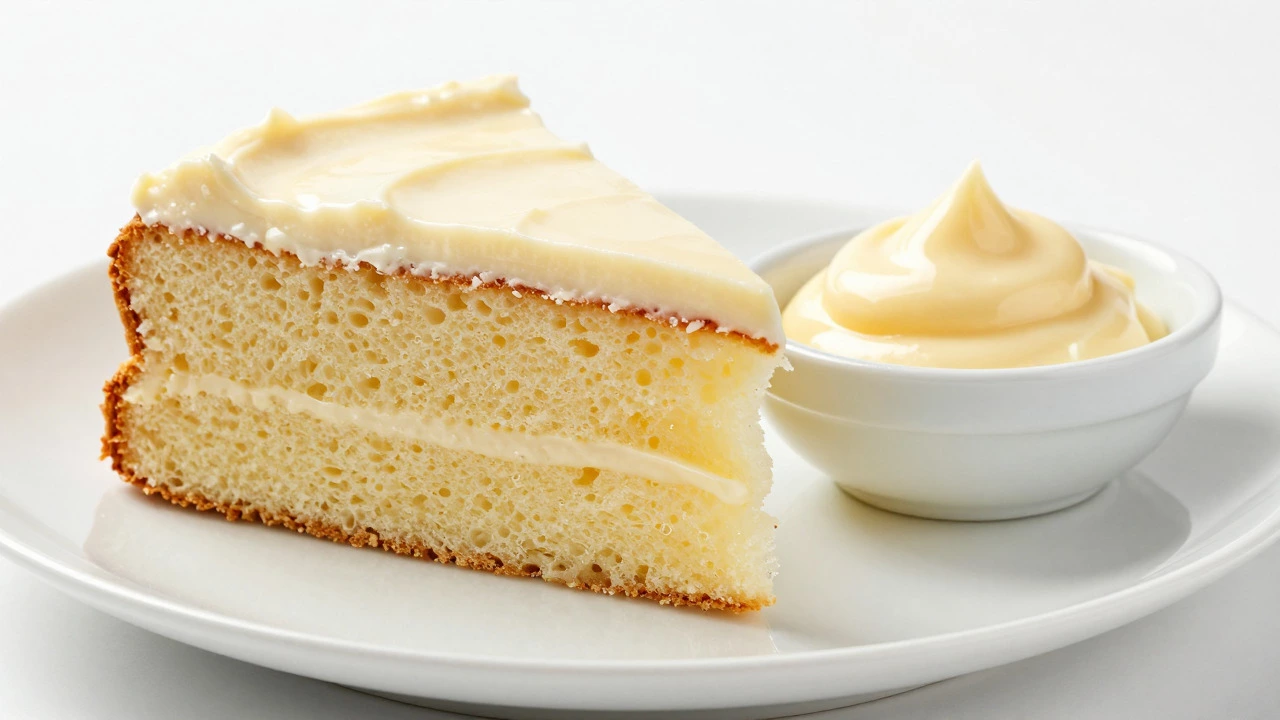
As the baker, you hand off responsibility once the cake is delivered. But providing guidance ensures satisfaction. Advise couples to slice and box individual portions rather than leaving the whole cake exposed. Exposed surfaces dry out faster and attract pests.
Label boxes with the date and type of filling. Suggest consuming perishable-filled slices within 24 hours. For sturdy buttercream cakes, freezing individual slices is ideal for saving the top tier for the first anniversary. Wrap each slice tightly in plastic, then foil, and place in a freezer bag to prevent freezer burn.
When reheating or serving stored cake, let it sit at room temperature for 30 minutes to restore texture. Avoid microwaving, which creates uneven heating and rubbery textures.
Signs Your Cake Has Gone Bad
Even with proper storage, mistakes happen. Teach clients to check for these warning signs before eating:
- Sour smell: Indicates bacterial growth or spoiled dairy.
- Visible mold: Small green or white spots mean discard the entire piece, not just the spotted area.
- Off taste: Rancid butter tastes metallic or soapy. If it doesn’t taste right, spit it out.
- Excessive dryness: While not unsafe, overly dry cake suggests prolonged exposure to air or improper wrapping.
Trust your senses. When in doubt, throw it out. No wedding memory is worth a stomach ache.
Can I leave my wedding cake out overnight?
Yes, if it’s covered in buttercream or fondant and contains no perishable fillings. Store it in a cool, dark place and cover loosely with plastic wrap. If it has cream cheese frosting or custard, refrigerate it immediately after the event.
Does refrigerating a wedding cake make it stale?
It can. Fridges are dry, which pulls moisture from the sponge. To prevent this, wrap the cake tightly in plastic before refrigerating. Always bring it to room temperature for 2-3 hours before serving to restore freshness.
How long does fondant last on a wedding cake?
Fondant itself lasts indefinitely, but the cake underneath spoils. A fondant-covered cake can sit at room temperature for up to 5 days if the filling is stable. Avoid refrigerating fondant cakes as condensation causes the coating to sweat and discolor.
Is it safe to eat wedding cake left out for 24 hours?
Only if it contains non-perishable ingredients like buttercream and simple syrups. Cakes with dairy-based frostings or fruit fillings should not be left out beyond 4-6 hours in warm conditions. Check for sour smells or mold before consuming.
Should I freeze the top tier of my wedding cake?
Freezing is excellent for preserving the top tier for your anniversary. Slice it into portions, wrap tightly in plastic and foil, and freeze for up to 6 months. Thaw in the fridge overnight, then bring to room temperature before serving.