How Far Out Should the Groom Get His Suit? The Ultimate Timeline
 Jun, 1 2026
Groom Suit Timeline Calculator
Off-the-Rack
1-2 WeeksMade-to-Measure
8-12 WeeksBespoke
12-16 WeeksEnter your details to see when you should start shopping.
You’ve booked the venue. You’ve sent the save-the-dates. Now you’re staring at a mirror, wondering when exactly you need to buy that suit. It’s one of those questions that seems simple until you realize how many moving parts are involved. Order too early, and your body might change. Order too late, and you’ll be wearing something ill-fitting on the most important day of your life.
The short answer? You should aim to get your suit 4 to 6 months before the wedding. But that’s just the starting line. Whether you’re buying off-the-rack or going fully bespoke, the timeline shifts based on your needs, your budget, and how much tailoring you expect to do. Let’s break down exactly when to take each step so you don’t end up stressed out in tuxedo pants.
The Golden Rule: Why 6 Months Is Your Safety Net
If you want zero stress, start looking for your groom suit six months before the big day. This window gives you enough breathing room to handle surprises without rushing. Think about it: if you order a custom suit and it arrives two weeks late, you still have three months to fix it. If you wait until three months out and the same thing happens, you’re scrambling for alterations or renting a backup.
Six months also aligns perfectly with other wedding milestones. By this point, you likely know your color palette, the formality level (black tie vs. semi-formal), and whether your groomsmen are participating. Knowing these details helps you pick a style that actually works for the event. Plus, retailers often have better inventory six months out compared to the frantic rush in March and April for summer weddings.
Here’s what happens if you ignore this rule. I’ve seen grooms try to buy suits four weeks before their wedding because they “wanted to see the dress first.” Spoiler alert: stores are packed, sizes are sold out, and tailors are booked solid. You end up paying extra for expedited shipping and rushed alterations, which can add hundreds of dollars to your budget unnecessarily.
Custom vs. Off-the-Rack: How Much Time Do You Really Need?
Not all suits are created equal, and neither are their production times. Your choice between buying off-the-rack, made-to-measure, or bespoke drastically changes your timeline. Here’s how long each option typically takes:
| Suit Type | Lead Time | Tailoring Needed? | Best For |
|---|---|---|---|
| Off-the-Rack | 1-2 Weeks | Yes (minor) | Budget-conscious couples, last-minute plans |
| Made-to-Measure | 8-12 Weeks | No (built-in fit) | Most grooms seeking balance of price and fit |
| Bespoke | 12-16 Weeks | No (handcrafted) | Perfect fit enthusiasts, luxury budgets |
If you’re buying off-the-rack, you can technically grab a suit the week before your wedding. But here’s the catch: even a $500 off-the-rack suit will look cheap if it doesn’t fit. You’ll still need to bring it to a tailor for hemming, waist suppression, and sleeve adjustments. That process alone takes 2-3 weeks. So while you *can* buy early, you shouldn’t finalize the purchase until you’ve had it altered.
Made-to-measure suits are the sweet spot for most modern grooms. You provide your measurements, choose the fabric and style, and the manufacturer builds it for you. Eight to twelve weeks is standard, but during peak wedding season (May through October), some shops stretch that to fourteen weeks. Start shopping five months out to stay safe.
Bespoke suits are a different beast entirely. These are hand-cut from scratch, often requiring two to three fittings over several months. If you’re going this route, start eight to nine months before the wedding. Yes, it’s expensive. Yes, it takes forever. But if you value craftsmanship above all else, the wait is worth it.
The Groomsmen Factor: Don’t Forget the Entourage
Your suit isn’t just about you. If you have groomsmen, their timelines matter too. Coordinating multiple people adds complexity. Some might live overseas. Others might lose weight after getting engaged. One guy might forget to send his measurements.
Start the conversation with your groomsmen at least five months before the wedding. Send them a clear email with deadlines: "Please submit your size preferences by [date]." Give them options-maybe you’re covering the cost, maybe they’re buying themselves. Either way, set a firm cutoff date for orders. If someone misses it, have a backup plan. Renting a suit as a last resort is better than showing up in jeans.
Pro tip: If your groomsmen are scattered across different cities, consider using an online retailer that ships nationwide. Many offer group discounts and centralized tracking. Just make sure everyone knows who’s responsible for paying and when payments are due. Nothing kills momentum like financial confusion among friends.
Seasonal Surprises: Peak Wedding Month Pitfalls
Where you live matters more than you think. In Melbourne, where I’m based, our wedding season runs from September through April. That means February and March are absolute chaos for suit shops. Everyone wants their suits delivered by November or December, so orders pile up fast.
If your wedding falls in June or July (our cooler months), you’re in luck. Demand drops significantly, and tailors have more availability. You can probably get away with ordering only four months out. But if you’re tying the knot in January or February, treat it like a high-priority project. Start seven months out. Book appointments early. Confirm delivery dates in writing.
Also, keep holidays in mind. Christmas and New Year slow down production globally. If your suit is being manufactured overseas, expect delays around December 20th to January 5th. Avoid scheduling final deliveries during this window unless you have a huge buffer.
Alterations Are Non-Negotiable: Plan for Three Fittings
Even if you buy a perfect off-the-rack suit, you’ll need alterations. Most men assume their chest measurement is accurate, but shoulders, sleeves, and trousers rarely match factory standards. A good tailor will charge $100-$300 for basic adjustments. Complex changes like shoulder restructuring can run $500+.
Schedule your first fitting no later than two months before the wedding. This allows time for corrections. If the jacket is too tight across the back, the tailor may need to let out seams-a process that requires extra fabric and patience. Second fittings happen one month out. Final check-ins occur one week prior.
Don’t skip any of these steps. I once knew a groom who skipped his second fitting because he was busy. On the wedding day, his trousers rode up every time he danced. He looked ridiculous, and nobody wanted photos of him hiking his pants mid-waltz. Learn from his mistake.

What If You’re Starting Late? Emergency Fixes
Life happens. Maybe you got engaged unexpectedly. Maybe you waited too long to decide. If you’re under three months out, panic mode isn’t helpful-but action is.
- Rent instead of buy: High-end rental services deliver within 7-10 days. Look for companies offering premium brands like Hugo Boss or Tom Ford. Rentals cost less upfront and eliminate tailoring hassles.
- Buy locally, alter quickly: Visit brick-and-mortar stores in your area. Ask if they have express alteration services. Some tailors can turn around minor fixes in 48 hours.
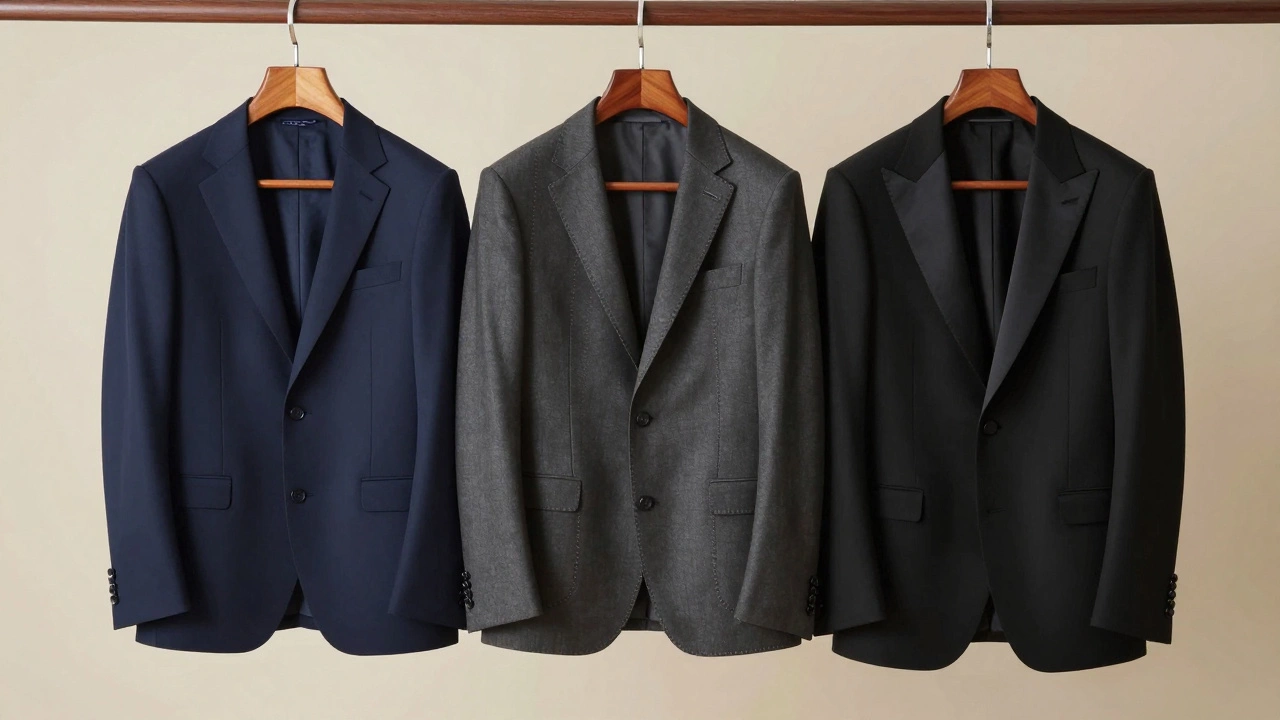
- Simplify the design: Skip intricate details like contrasting lapels or custom linings. Stick to classic navy or charcoal wool. Simple styles sell faster and require fewer adjustments.
Avoid ordering new custom suits if you’re under six weeks out. The risk of delay is too high. Instead, focus on finding what’s available now and making it work. Confidence looks better than perfection anyway.
Final Checklist: When to Do What
To keep things organized, here’s a quick timeline recap:
- 9-12 Months Before: Decide on formality level and color scheme. Research local tailors and boutiques.
- 6-8 Months Before: Begin shopping for suits. Schedule consultations for made-to-measure or bespoke options.
- 5 Months Before: Place orders for custom suits. Communicate deadlines to groomsmen.
- 3 Months Before: Receive initial garments. Schedule first fitting with tailor.
- 1 Month Before: Complete second fitting. Confirm final adjustments.
- 1 Week Before: Pick up finished suit. Try everything on together-shirt, shoes, accessories.
Stick to this plan, and you’ll walk down the aisle looking sharp, feeling confident, and completely unstressed. Your future self will thank you.
Can I buy my groom suit the month before the wedding?
Technically yes, but it’s risky. Off-the-rack suits are available immediately, but you’ll still need 2-3 weeks for proper tailoring. Custom suits won’t arrive in time unless you pay massive rush fees. Only attempt this if you’re flexible with fit and willing to rent if needed.
Should I get my suit before seeing the bride’s dress?
No. Wait until you know the dress style and color palette. A heavily embellished gown pairs well with a sleek black-tie tuxedo, while a bohemian lace dress suits a relaxed linen blazer. Matching vibes prevents clashing aesthetics on the big day.
How much does it cost to rush a suit order?
Rush fees vary widely. Tailors may charge 20-50% extra for expedited alterations. Manufacturers sometimes double prices for same-month delivery. Expect to spend $150-$400 additional depending on complexity. Always ask for written quotes before agreeing.
Do groomsmen need to order their suits at the same time as me?
Ideally yes. Ordering simultaneously ensures consistent fabrics, colors, and fits. Even small differences in shade can look odd in group photos. Set a unified deadline and track submissions closely to avoid mismatches.
Is it okay to wear my groom suit again after the wedding?
Absolutely. Choose timeless neutrals like navy, grey, or charcoal for maximum reusability. Avoid bold patterns or seasonal fabrics like heavy tweed. With proper care, a quality suit lasts decades and serves you well beyond the honeymoon.