How Far in Advance Should You Send Save the Dates?
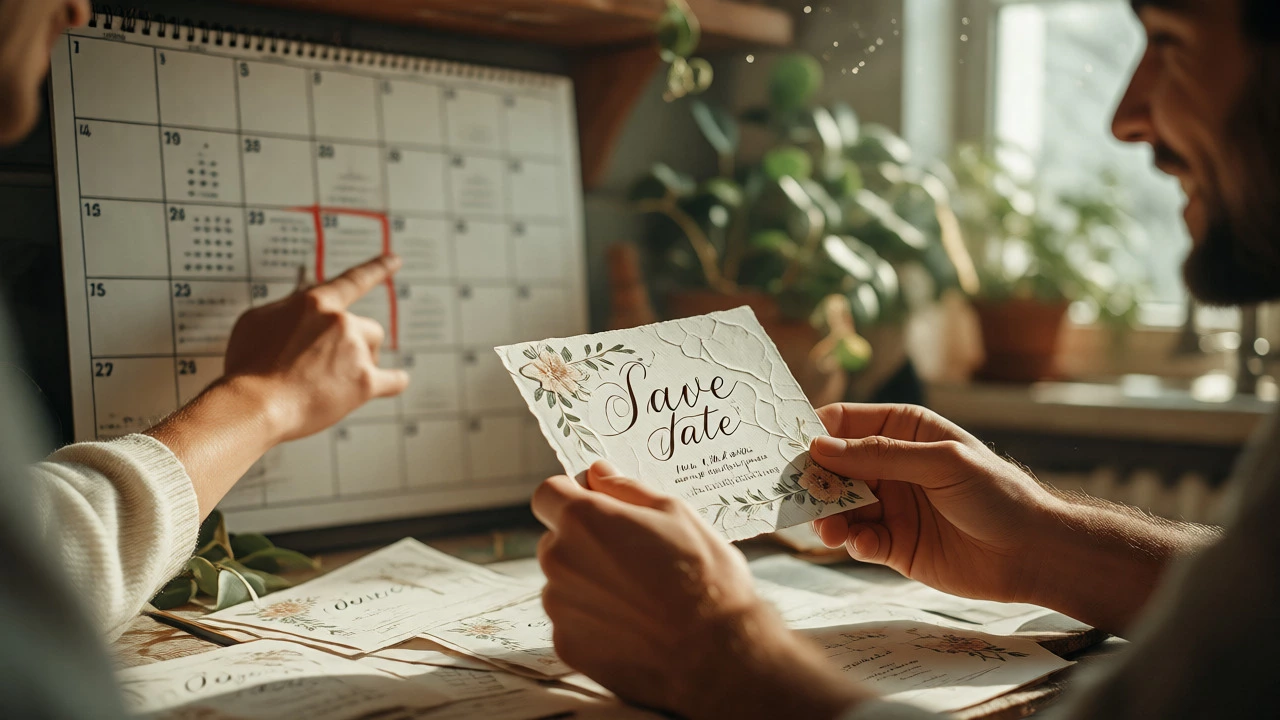 Nov, 1 2026
Save the Date Timing Calculator
Select your wedding details below to determine the perfect window for sending your save-the-date cards.
Recommended Send Window
--
Months before the wedding date
You just got engaged. The ring is sparkling, the champagne is half-finished, and suddenly you’re staring at a calendar wondering when to tell everyone about your big day. It’s a common panic point: send save the dates too early, and people forget; send them too late, and they’ve already booked a vacation to Cabo. So, what’s the sweet spot?
The short answer? For most local weddings, aim for six to nine months before the ceremony. But if you’re planning a destination wedding or hitting peak season, you need to hit that send button earlier-often twelve months out. Why? Because travel plans lock in fast, and you don’t want your best friend missing your vows because she committed to a family reunion in July.
The General Rule of Thumb
If you’re getting married in your hometown, where guests can drive to the venue without booking flights, you have more breathing room. Sending save the dates eight months in advance is usually perfect. This gives guests enough time to mark their calendars but isn’t so far out that the excitement fades.
Think about it from your guests’ perspective. If they get a note ten months ahead for a Saturday night dinner party, they might mentally file it away and forget by the time the actual invitation arrives three months later. But if they get it six months out, it feels urgent enough to remember, yet relaxed enough not to cause stress.
Here’s a simple breakdown based on your wedding type:
- Local Wedding (Off-Peak): 6-8 months in advance.
- Local Wedding (Peak Season/May-Sept): 8-10 months in advance.
- Destination Wedding: 9-12 months in advance.
- Holiday Weekend Wedding: 10-12 months in advance.
Why Destination Weddings Need Extra Lead Time
Let’s say you’re tying the knot in Maui or Tuscany. Your guests aren’t just picking up a pen to RSVP; they’re researching flights, comparing hotel rates, and checking passport expiration dates. That takes time.
Travel experts often recommend booking international trips at least six months in advance to secure reasonable airfare. If you send your save the dates only four months out, you’re forcing guests to scramble. They might find expensive last-minute flights or miss out entirely. By sending them a year in advance, you’re essentially saying, "Hey, start saving now." This courtesy pays off in higher attendance rates. People are more likely to commit to a trip when they have ample time to budget for it.
Also, consider visa requirements. Some countries require visas weeks or even months in advance. If your guest list includes international attendees, give them every advantage by notifying them early. A save the date card with a link to a dedicated wedding website can be incredibly helpful here, providing immediate access to travel FAQs while they wait for the formal invite.
The Holiday Weekend Trap
Are you marrying over Labor Day, Memorial Day, or Christmas? Congratulations on the long weekend-but brace yourself for scheduling conflicts.
People plan holiday weekends way in advance. Families coordinate reunions, friends book cabins, and kids have sports tournaments. If you drop a save the date for a Labor Day wedding in January, you’re competing with every other event happening that same weekend. To win, you need visibility. Send those cards as soon as your venue is confirmed, ideally 10 to 12 months prior. This puts your name on their calendar before they make other commitments.
A pro tip for holiday weddings: include a brief note about why the date was chosen (e.g., "We wanted to celebrate with you during the holidays!"). It adds a personal touch and reminds guests that this is a special occasion worth prioritizing.
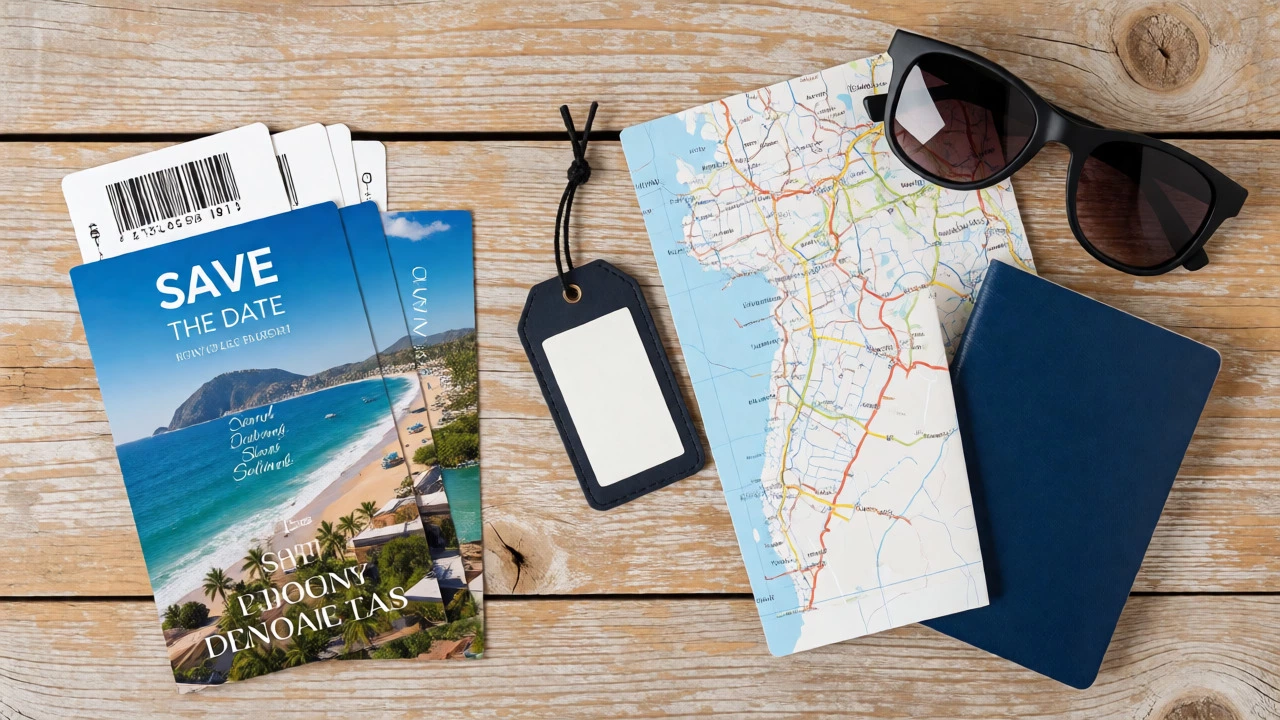
What Happens If You Miss the Window?
Life happens. Maybe you set a date last minute, or maybe you just forgot to mail the cards. Don’t panic. You can still send save the dates, but you need to adjust your strategy.
If you’re less than three months out, skip the physical save the date entirely. Go straight to digital notifications via email or a text message group chat. Physical mail takes time to arrive, and by the time it lands, the urgency might feel lost. A quick, friendly email saying, "Hey! We’re getting married on [Date]! Formal invites coming soon," works wonders.
However, if you’re between three and five months out, you can still send physical cards, but pair them with an immediate digital follow-up. This ensures no one misses the memo due to slow postal services. Just be aware that some guests may have already made conflicting plans. Be gracious about it. Don’t guilt-trip anyone who can’t make it.
Digital vs. Physical: Does It Matter?
This is a hot debate in the wedding world. Traditionalists swear by paper; modern couples love the speed of digital. The truth? Both work, but they serve different purposes depending on timing.
| Feature | Physical Cards | Digital/Electronic |
|---|---|---|
| Lead Time Recommended | 6-12 months | 3-6 months |
| Cost | $1.50-$5.00 per card + postage | Free to $50 total |
| Environmental Impact | Paper waste, carbon footprint from shipping | Low energy usage, no waste |
| Guest Experience | Tangible keepsake, high perceived value | Convenient, easy to forward/share |
| Risk of Loss | Mailing errors, lost in transit | Spam folder, overlooked email |
Physical cards create a stronger emotional connection. When someone opens their mailbox and finds a beautifully designed card with your faces on it, they feel included. It’s a ritual. Plus, older relatives often prefer paper. If your guest list skews toward grandparents, stick with snail mail.
Digital saves are great for younger crowds or tight budgets. They’re instant, trackable, and eco-friendly. Use tools like Paperless Post or Canva to design something sleek. Just ensure your subject line is clear: "Save the Date: [Your Names] Wedding - [Date]." Avoid vague subjects like "Big News!" which might get ignored.
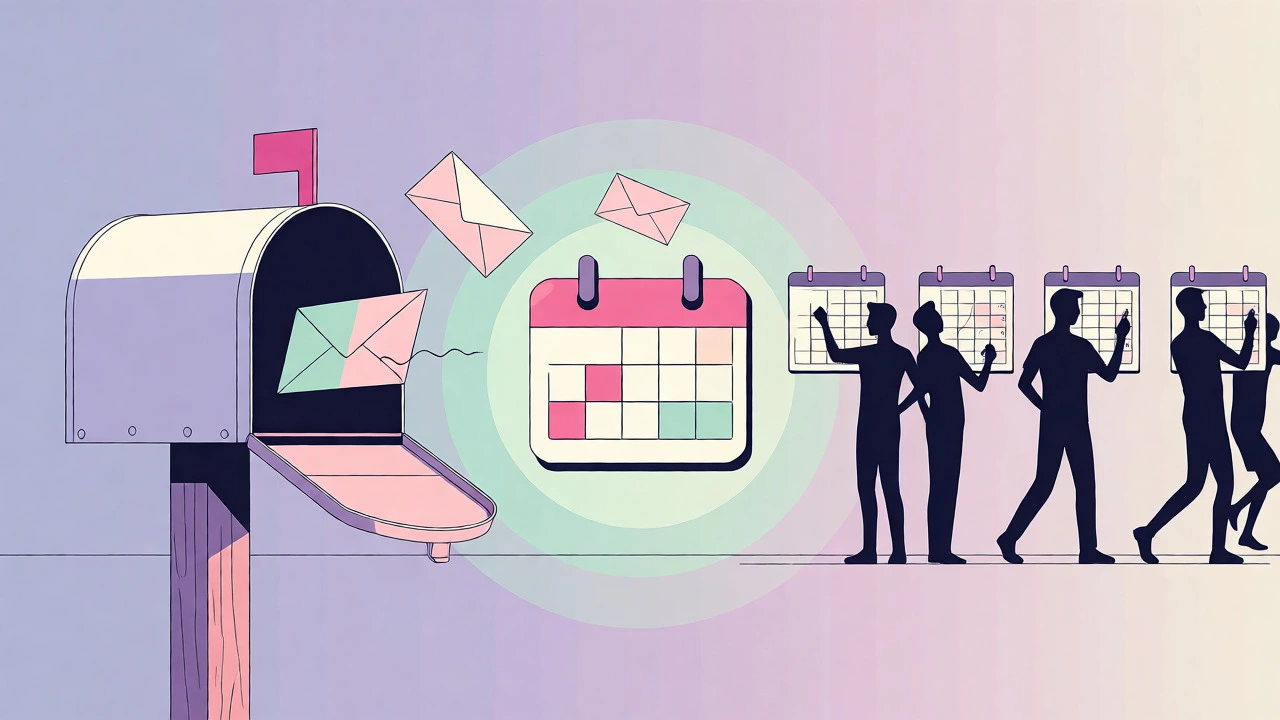
Timing Your Formal Invitations Afterward
Once you’ve sent the save the dates, when do the actual invitations go out? This is crucial because you don’t want to confuse your guests with two major communications too close together.
The general standard is to send formal wedding invitations six to eight weeks before the wedding for local events, and eight to twelve weeks for destination weddings. This leaves a comfortable gap between the save the date and the invite.
For example, if you send save the dates in January for a June wedding, send invitations in April. This four-month buffer prevents "invitation fatigue." Guests appreciate having time to process the initial notice, discuss with partners, check finances, and then receive the detailed logistics later.
Make sure your save the date doesn’t duplicate all the info in the invitation. Keep it minimal: Names, Date, City/State. Leave the dress code, registry links, and meal choices for the formal invite. This creates a narrative arc: first, we announce the possibility; second, we provide the details.
Common Mistakes to Avoid
Even with good intentions, couples often stumble on save the date etiquette. Here are the biggest pitfalls:
- Missing the Year: Always include the year. "June 14th" could mean next year or this year. Ambiguity kills clarity.
- Wrong Address Format: Double-check addresses. If you’re using a database, verify spelling. Returned mail wastes time and money.
- Overloading Info: Don’t put the full itinerary on the card. Keep it clean. Use a QR code or website URL for extra details.
- Ignoring Plus-Ones: If you know a guest is bringing a partner, address the envelope to both. It shows respect and avoids awkwardness later.
- Waiting for Photos: Don’t delay mailing because you’re waiting for professional engagement photos. Use a nice selfie or a graphic design template instead. Timing matters more than perfection.
Final Checklist Before Mailing
Before you hand over that stack of envelopes to the post office, run through this quick audit:
- Are all dates correct, including the day of the week?
- Is the location city and state clearly visible?
- Do you have a wedding website URL listed?
- Have you proofread for typos? (Ask a friend to check-it’s hard to see your own mistakes.)
- Are stamps purchased and affixed correctly?
- Did you order 10% extra cards for unexpected additions or returns?
Sending save the dates is one of the first official acts of your wedding planning journey. It sets the tone for how organized and thoughtful you are as hosts. Get the timing right, and you’ll ease the stress for everyone involved-including yourself.
Can I send save the dates before my venue is fully booked?
It is risky to send save the dates before the venue contract is signed. If the venue falls through, you have to notify guests of a new date or location, which can cause confusion and frustration. Wait until you have a confirmed date and location before mailing.
Do I need to send save the dates to vendors?
No, vendors are professionals who manage their schedules differently. You should confirm dates with them via contracts and emails, but they do not need informal save the date cards. Focus these communications on your guests.
What if I forget to send save the dates to a specific guest?
Don't worry. You can simply send the formal invitation a bit earlier than usual or add a handwritten note apologizing for the lack of a save the date. Most guests will understand that oversight happens during busy planning times.
Should save the dates include a gift registry link?
Traditionally, no. Registry information belongs on the wedding website or the formal invitation suite. Including it on the save the date can seem presumptuous, implying that gifts are expected before the invitation has even been extended.
How much should I budget for save the dates?
Budget approximately $2 to $4 per card, including printing and postage. For a 100-guest wedding, expect to spend $200 to $400. Digital options are significantly cheaper, often under $50 total for design and platform fees.