How Far in Advance Should a Groom Get His Suit? The Ultimate Timeline
 Jul, 16 2026
Wedding Suit Timeline Calculator
Input Details
Your Action Plan
Deadline: --Enter your wedding details to see exactly when you need to act.
Imagine standing at the altar, looking sharp and confident, only to realize your jacket pulls across the shoulders or your trousers are dragging on the floor. It’s a nightmare scenario that happens more often than you’d think. The reason? Timing. Knowing how far in advance should a groom get his suit isn’t just about fashion; it’s about logistics, stress management, and ensuring you look your absolute best on the biggest day of your life.
The short answer is: start thinking about it six to nine months before the wedding, but make your final purchase or rental decision no later than three to four months out. If you’re waiting until the last minute, you’re playing with fire. Let’s break down exactly why this timeline matters and how to navigate the process without losing your mind.
Why You Can’t Wait Until the Last Minute
We’ve all heard stories of grooms buying suits two weeks before the wedding because they were “too busy.” Here’s the reality: weddings are complex machines. Your suit doesn’t exist in a vacuum. It needs to coordinate with the bride’s dress, the groomsmen’s attire, the season, and the venue. More importantly, it needs to fit *you*.
If you order a custom suit, the manufacturer needs time to cut the fabric, sew the garment, and ship it. That alone can take eight to twelve weeks. Then comes the alteration phase. Even a perfect off-the-rack suit rarely fits perfectly off the hanger. You’ll need alterations for the sleeves, waist, and trouser length. A good tailor needs at least two to three fittings spaced out over several weeks to get it right. Rushing this process leads to sloppy stitching, poor fit, and unnecessary anxiety.
Think of it like building a house. You wouldn’t expect the roof to go up before the foundation is poured. Similarly, your wardrobe needs a solid timeline to come together properly.
The Ideal Groom Suit Timeline: Month by Month
To keep things simple, let’s map out a backward timeline from your wedding date. This structure works whether you’re renting, buying off-the-rack, or going fully bespoke.
- 9-12 Months Before: Start browsing. Look at inspiration boards, Pinterest, or ask the bride for her vision. Decide if you’re renting or buying. If buying, decide if you want off-the-rack or custom. This early stage is purely research. No money changes hands yet, but you’re narrowing down styles (tuxedo vs. suit, color palette, lapel style).
- 6-8 Months Before: Meet with your tailor or rental shop. If you’re getting a custom suit, this is when you place the order. For rentals, secure your slot. Popular shops book up fast, especially during peak wedding seasons (May through October). If you’re buying off-the-rack, visit stores to try on sizes. Note what fits well and what doesn’t.
- 3-4 Months Before: Finalize your choice. If you ordered custom, check in on production status. If you bought off-the-rack, pick up the suit and schedule your first alteration appointment. This is also the time to confirm details with your groomsmen. Are they renting? Buying? Who pays? Clear communication here prevents awkward conversations later.
- 2 Months Before: First fitting. Try on the suit with the shoes you plan to wear. Bring any accessories like ties or pocket squares. The tailor will pin areas that need adjustment. Don’t worry if it looks slightly loose; tailors usually add extra fabric for safety.
- 1 Month Before: Second fitting. Most adjustments should be done by now. Check the length of the trousers, the tightness of the jacket, and the comfort of the collar. If anything feels off, speak up now. There’s no time for major fixes later.
- 1 Week Before: Final pickup. Pick up your suit and do a final check. Steam or press it if needed. Store it properly-hung in a breathable garment bag, away from direct sunlight or humidity.

Renting vs. Buying: How It Changes Your Timeline
Your approach to timing depends heavily on whether you’re renting or buying. Each option has its own set of constraints and advantages.
| Factor | Renting | Buying (Off-the-Rack) | Buying (Custom/Bespoke) |
|---|---|---|---|
| Decision Deadline | 3-4 months before | 3-4 months before | 6-8 months before |
| Fittings Required | 1-2 (usually included) | 2-3 (separate cost) | 3-5 (included in price) |
| Flexibility for Changes | Low (limited stock) | Medium (depends on store inventory) | High (made to your specs) |
| Long-Term Value | None (return after wedding) | High (wear again) | Very High (investment piece) |
| Cost Range | $200 - $500 | $300 - $1,000+ | $1,000 - $3,000+ |
If you’re renting, the timeline is tighter. Rental shops operate on limited inventory. If you wait too long, the size or style you want might be gone. Plus, rentals often include basic alterations, so you don’t need to find a separate tailor. However, you must return the suit within a specific window after the wedding, usually 7-14 days. Plan accordingly.
Buying off-the-rack gives you more flexibility. You can walk into a store, buy a suit, and take it to a local tailor. But you still need to account for the tailor’s schedule. Good tailors are booked up, especially in summer. Calling ahead is crucial.
Custom suits require the most lead time. The process involves multiple consultations, measurements, and fittings. Some high-end boutiques require deposits months in advance. If you love the idea of a suit tailored specifically to your body shape and style preferences, start early. There’s no substitute for the confidence that comes with wearing something made just for you.
Common Pitfalls to Avoid
Even with a solid plan, mistakes happen. Here are the most common ones grooms make when timing their suit acquisition:
- Ignoring Weight Fluctuations: If you’re planning to lose weight before the wedding, tell your tailor. They can build in extra room. But if you gain weight, altering a suit to be larger is much harder and more expensive. Aim for your target weight at least two months before the final fitting.
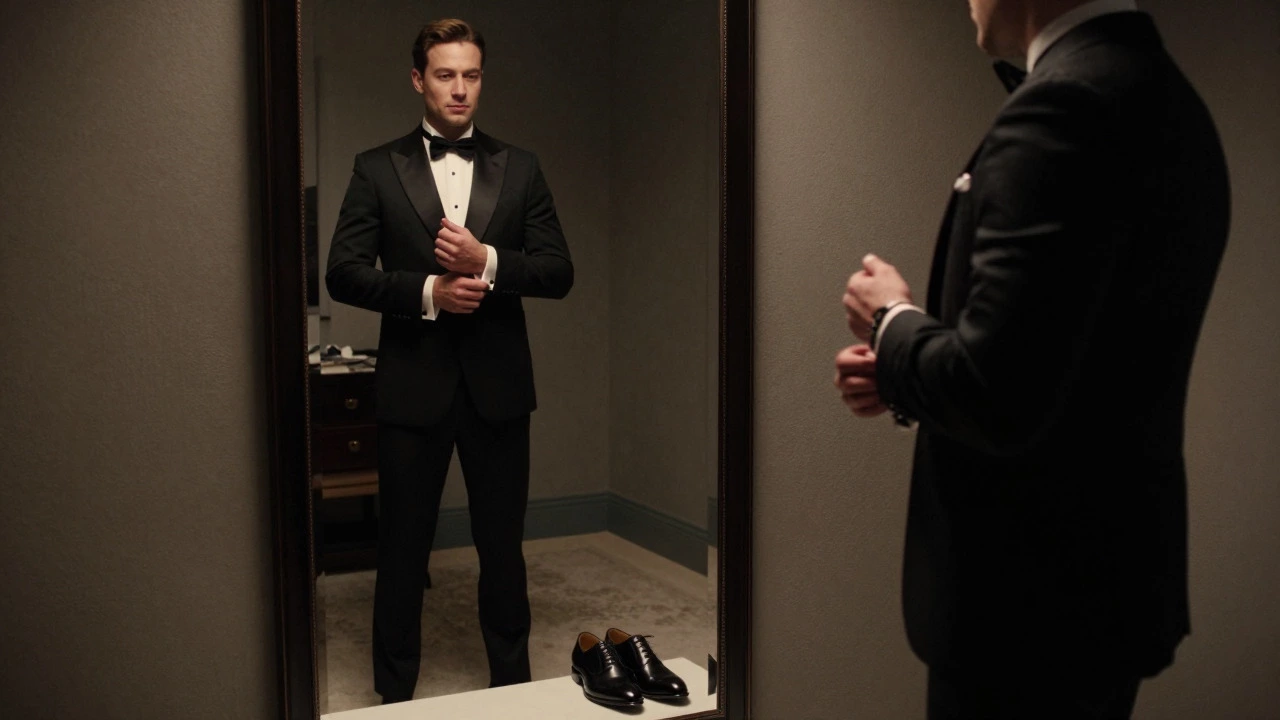
- Forgetting About Shoes: Your trouser length depends on your shoe heel height. Wear the shoes you’ll wear on the wedding day to every fitting. Otherwise, your pants might bunch up or hover awkwardly.
- Underestimating Alteration Time: Simple hemming takes a week. Complex adjustments like taking in the waist or shortening sleeves can take longer. Don’t assume everything will be ready in three days.
- Not Coordinating with Groomsmen: If your groomsmen are renting or buying separately, set clear deadlines. One late groomsmen can delay group photos or cause mismatched styles. Send reminders and provide them with links to recommended shops.
- Skipping the Final Check: Always inspect your suit upon pickup. Look for loose threads, missing buttons, or stains. If something is wrong, address it immediately. You won’t have time to fix it the night before.
What If You’re Short on Time?
Life happens. Maybe you got engaged unexpectedly, or your wedding date moved up. If you’re stuck with less than three months, don’t panic. Here’s how to salvage the situation:
First, prioritize renting. Many rental shops offer expedited services for an additional fee. Call around and explain your situation. Some may have pre-owned suits that need minor cleaning or pressing, which can be ready faster.
Second, consider off-the-rack options from department stores. Brands like J.Crew, Banana Republic, or even Walmart carry suits that fit average body types reasonably well. Pair this with a quick-turnaround tailor who specializes in express alterations. Yes, it costs more, but it beats showing up in ill-fitting clothes.
Third, simplify your look. Avoid complex designs like velvet jackets or intricate embroidery. Stick to classic navy, charcoal, or black suits. These are widely available and easier to find in a pinch.
Finally, communicate openly with your partner. If you’re stressed about the suit, talk about it. Weddings are about partnership, not perfection. A relaxed groom looks better than a frantic one, regardless of the suit.
Final Thoughts on Timing
Getting your suit right isn’t just about looking good in photos. It’s about feeling comfortable and confident as you stand there, making promises to the person you love. When your clothes fit well, you forget they’re there. You focus on the moment, the emotions, and the joy.
Start early. Give yourself buffer time. Communicate with your vendors. And remember, the goal isn’t to achieve magazine-perfect styling-it’s to feel like the best version of yourself. With the right timeline, you’ll walk down that aisle (or stand at that altar) knowing you looked great, felt great, and avoided the last-minute scramble.
Can I get a groom suit ready in one month?
It’s possible but risky. Off-the-rack suits with minimal alterations can be ready in 2-3 weeks. Custom suits cannot be completed in one month unless you pay for rush fees and accept limited options. Renting is your safest bet if time is short, as many shops have inventory ready to go.
How many fittings does a groom need?
Typically 2-3 fittings for off-the-rack suits and 3-5 for custom suits. The first fitting establishes baseline adjustments, the second refines them, and the third ensures everything sits perfectly. Never skip the final fitting.
Should I rent or buy my wedding suit?
Rent if you want lower upfront cost and don’t plan to wear the suit again. Buy if you value fit, quality, and long-term use. A good suit can be worn to other formal events, job interviews, or future weddings, making it a worthwhile investment.
When should groomsmen get their suits?
Groomsmen should follow the same timeline as the groom: start researching 6-8 months out, finalize decisions 3-4 months before, and complete fittings 1 month prior. Set clear deadlines and provide them with vendor recommendations to keep everyone on track.
What if I gain or lose weight before the wedding?
Inform your tailor early. They can add extra fabric for potential weight loss or adjust seams for weight gain. Major changes are difficult and costly, so aim to reach your target weight at least 2 months before the final fitting to allow for smooth adjustments.
Do I need to bring shoes to my suit fitting?
Yes, absolutely. Your trouser length is determined by the heel height of your shoes. Wearing different shoes during fittings can result in pants that are too long or too short on the wedding day. Bring the exact pair you plan to wear.
How much should I budget for a groom suit?
Budget varies widely. Rentals range from $200-$500. Off-the-rack suits cost $300-$1,000+, plus $50-$150 for alterations. Custom suits start at $1,000 and can exceed $3,000 depending on fabric and craftsmanship. Factor in accessories like ties, cufflinks, and shoes.
Is it okay to wear a suit instead of a tuxedo?
Yes, unless the wedding invitation specifies “black tie” or “white tie.” For semi-formal, cocktail, or daytime weddings, a well-tailored suit is perfectly appropriate. Choose darker colors like navy or charcoal for evening events, and lighter shades for daytime.