Homemade vs Professional Wedding Cakes: Is the DIY Route Actually Worth It?
 Apr, 9 2026
Wedding Cake Cost & Stress Estimator
Cake Details
Cost Comparison
The "Hidden Cost" Analysis
Whether you're a seasoned home baker or someone who barely knows how to use an oven, the idea of a DIY cake is tempting. You want something personal, and let's be honest, professional cakes can cost a small fortune. But before you buy twenty pounds of butter and a set of offset spatulas, you need to weigh the actual cost of your time against the expertise of professional wedding cake makers specialized pastry chefs who design and bake custom cakes specifically for weddings, handling structural integrity and flavor profiles at scale.
Key Takeaways for Your Decision
- DIY is great for casual, small weddings or couples with professional baking experience.
- Professional cakes guarantee structural stability, especially for tiered designs.
- The "savings" of a homemade cake are often offset by the cost of specialty tools and high-end ingredients.
- Hiring a pro frees up your final 72 hours before the wedding for actual relaxation.
The Financial Reality: Does DIY Actually Save Money?
Most couples start this journey because of the price tag. A high-end cake can easily run between $600 and $1,500 depending on the complexity. On paper, baking it yourself seems like a steal. However, the hidden costs add up quickly. If you've never made a wedding cake, you'll need more than just a bowl and a whisk.
You'll likely find yourself buying Cake Boards sturdy cardboard or plastic bases used to support the weight of individual cake layers, professional-grade Fondant an edible icing made from sugar, water, and gelatin that allows for a smooth, sculpted finish, and perhaps a revolving cake stand for smooth icing. Once you add up the cost of organic berries, high-fat European butter, and the inevitable "mistake cakes" you'll bake during your trial runs, the price gap narrows. If you already own the gear, you save. If you don't, you're essentially paying a "startup fee" for a hobby you might only use once.
| Feature | DIY / Homemade | Professional Baker |
|---|---|---|
| Upfront Cost | Low to Moderate | High |
| Stress Level | Extreme (last 48 hours) | Minimal |
| Risk of Failure | Moderate to High | Very Low |
| Customization | Total Control | Collaborative |
| Delivery/Setup | Your Responsibility | Included in Service |
The Technical Challenge: Physics and Perishables
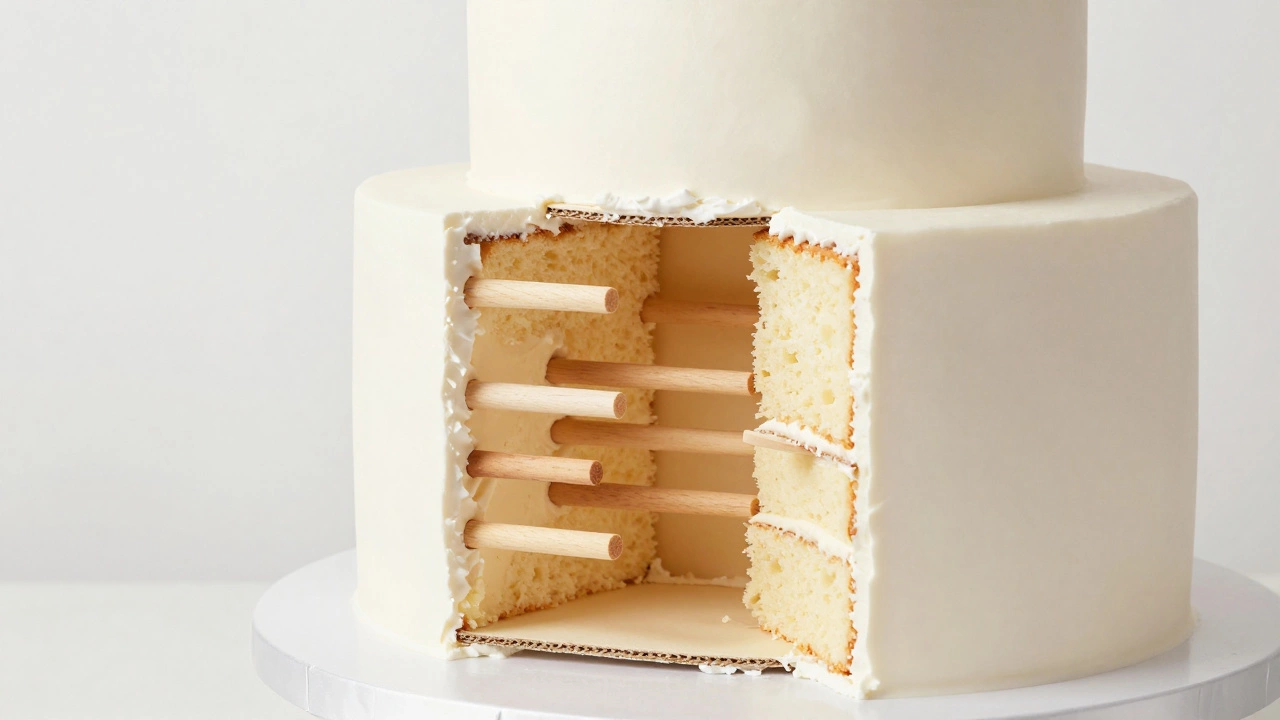
A wedding cake isn't just a big cake; it's an edible building. When you stack three or four layers of sponge, the weight of the top layers can literally crush the bottom one if it's not supported correctly. Professionals use Cake Dowels wooden or plastic rods inserted into lower cake tiers to support the weight of the tiers above them. These are small, invisible supports that prevent your cake from becoming a leaning tower of frosting.
Then there's the issue of temperature. If you're having an outdoor wedding in June, a homemade Buttercream a rich, creamy frosting made by beating butter and sugar together can start to melt within thirty minutes of being set out. Professional bakers often use high-stability recipes or chilled delivery systems to ensure the cake looks perfect when you actually cut it, not three hours after it arrived.
Have you considered the logistics of transport? Moving a five-tier cake in a personal car is a gamble. One sharp turn or a sudden brake, and your centerpiece becomes a very expensive pile of crumbs. Professionals have specialized vans and the experience to transport these delicate structures safely to the venue.
The Emotional Cost: Your Time and Sanity
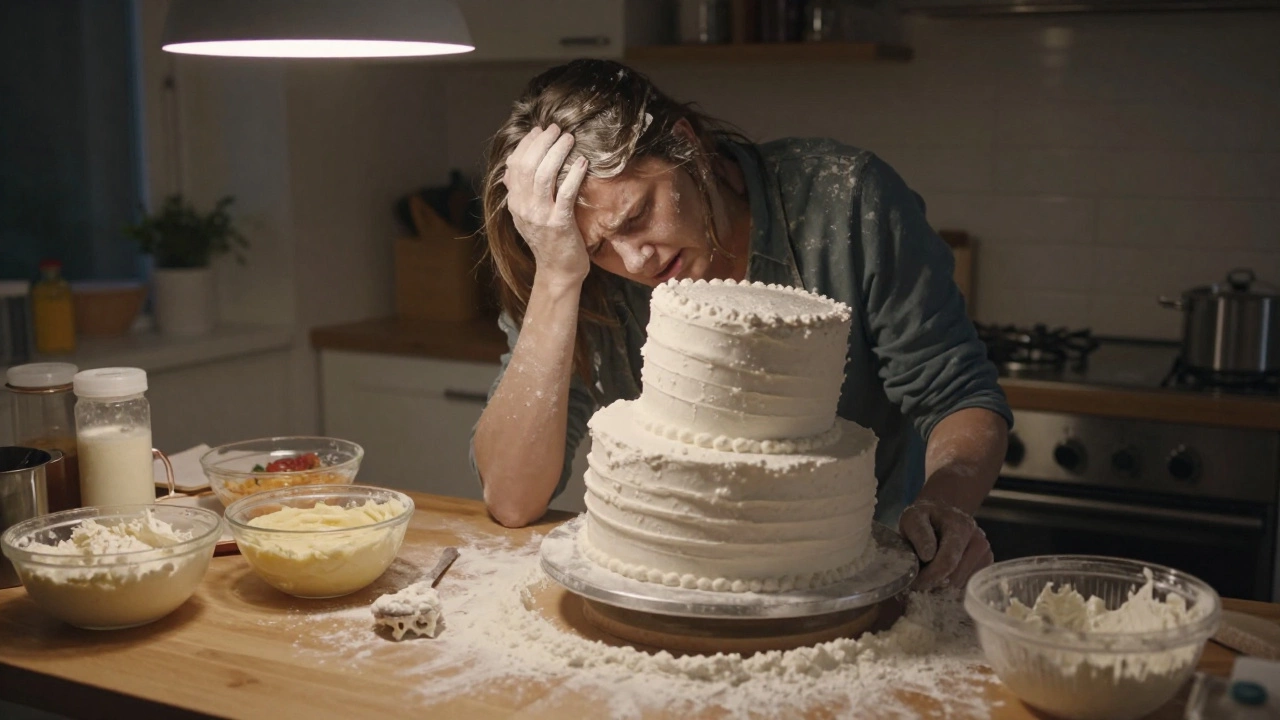
Let's talk about the "wedding brain." In the final week, you're confirming times with the florist, checking your dress one last time, and perhaps dealing with a family member who's stressing you out. Adding a 12-hour baking and decorating project to that list is a bold move. Most people underestimate the time it takes to let layers cool completely before frosting-if you frost a warm cake, the icing slides off. If you rush the chilling process, you risk condensation.
For some, baking is a way to destress. If you're the person who finds joy in spending a whole Sunday in the kitchen, this might actually be a therapeutic experience. But for most, it becomes another chore on an already overflowing to-do list. Ask yourself: would you rather spend your Friday night piping intricate lace patterns onto a cake, or having a glass of wine and a massage?
Smart Alternatives for the Budget-Conscious
If you love the idea of DIY but hate the idea of a disaster, there are middle-ground options. You don't have to choose between a $1,000 masterpiece and a risky home project. One popular strategy is the "Semi-Custom" approach. You can order a few simple, un-decorated tiers from a local bakery and handle the fresh flowers or simple toppers yourself. This ensures the cake tastes great and stays standing, but keeps the cost down because you aren't paying for hours of professional artistic labor.
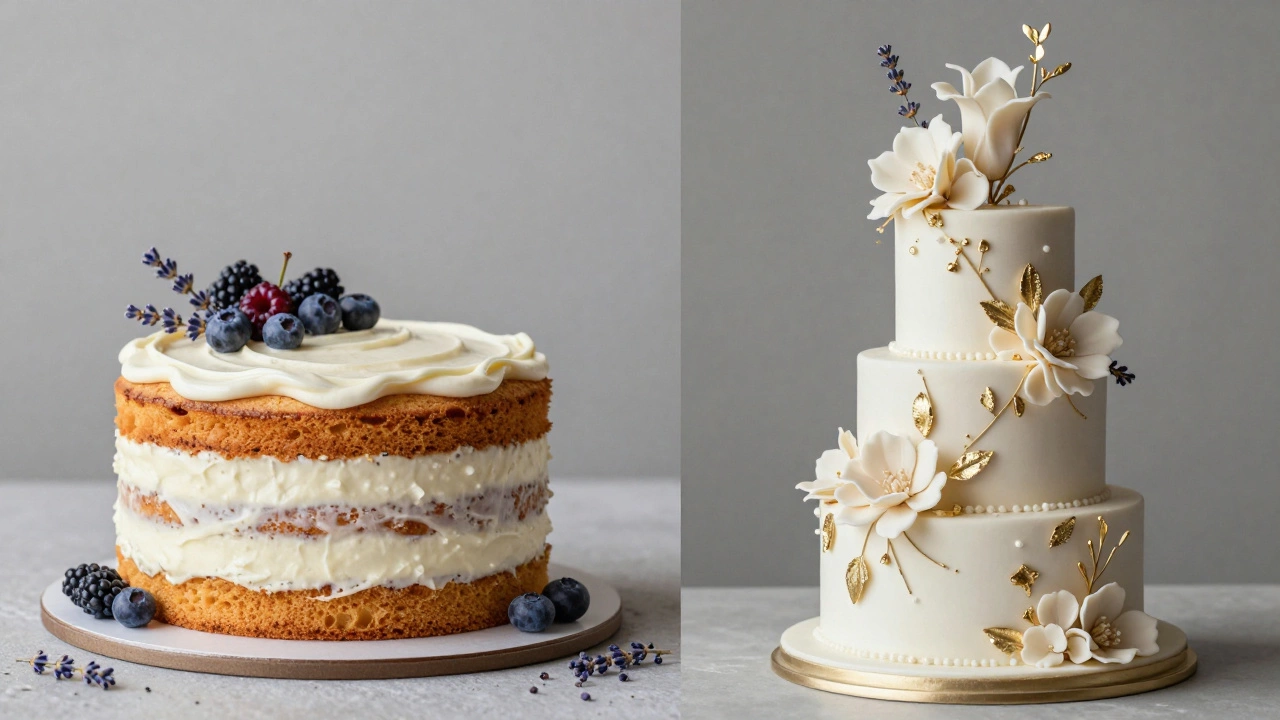
Alternatively, consider a Naked Cake a style of cake with minimal frosting on the outside, exposing the layers of sponge for a rustic look. These are much more forgiving for home bakers because they don't require the perfectly smooth, razor-sharp edges of a traditional fondant cake. They also look intentionally rustic, meaning a few imperfections actually add to the charm rather than ruining the aesthetic.
Another option is the dessert table. Instead of one massive cake, you could make a variety of smaller treats-brownies, lemon bars, and mini cheesecakes. These are much easier to transport, harder to "mess up," and often a bigger hit with guests who prefer a variety of flavors over a single slice of heavy cake.
When You Definitely Should Hire a Pro
There are certain red flags that mean you should put down the whisk and call a professional. First, if your guest list exceeds 100 people, the sheer volume of batter and frosting becomes a logistical nightmare for a home kitchen. Second, if you want a specific theme-like a cake shaped like a castle or with complex sugar flowers-leave it to the experts. Sugar Art the craft of creating realistic flowers, figures, and decorations using boiled sugar or gum paste takes years to master; trying to learn it the week of your wedding is a recipe for frustration.
Lastly, if you are not the primary baker in the household, don't let your partner "promise" they can handle it. Wedding cakes are a different beast than a birthday cake. The pressure is higher, the scale is larger, and the stakes are your wedding photos. If the cake collapses, it's not just a dessert failure; it's a focal point of the event that's gone wrong.
How far in advance should I bake a wedding cake if I do it myself?
The best approach is to bake the sponges 2-3 days in advance, wrap them tightly in plastic wrap, and freeze them. Freezing actually makes the cake easier to trim and stack because the crumbs are "locked in." You can then thaw them and frost the cake 24-48 hours before the event. This spreads the workload and prevents you from spending the entire wedding morning in the kitchen.
How do I stop a homemade wedding cake from leaning?
Use a system of supports. Each tier should sit on its own cardboard cake board. Insert bubble tea straws or wooden dowels into the tier below, cutting them exactly flush with the frosting. These act as pillars that hold the weight of the cake above, ensuring the bottom layer doesn't compress and the whole structure stays vertical.
What is the most stable frosting for a DIY wedding cake?
For stability, especially in warm weather, a Swiss Meringue Buttercream or a crusting American Buttercream is your best bet. Avoid whipped cream or cream cheese frosting for the exterior of tiered cakes, as they are too soft to support weight and can melt quickly, leading to structural failure.
Can I use fresh flowers on a homemade cake?
Yes, but be careful. Many flowers are toxic or treated with pesticides. Only use food-safe flowers (like roses, pansies, or lavender) and wrap the stems in floral tape or insert them into small pieces of parchment paper before pushing them into the cake to prevent the stems from contaminating the sponge.
How much should I actually expect to save by baking my own?
Depending on the size, you might save anywhere from $200 to $800. However, if you have to buy a professional mixer, high-quality pans, and specialty decorating tools, those savings vanish. For a simple two-tier cake, the savings are minimal; for a massive five-tier cake, the financial savings are higher, but the risk and labor increase exponentially.
Next Steps for Your Planning
If you're still on the fence, start with a "test run." Bake a miniature version of your intended design next month. See how long it takes you to decorate and how the flavors hold up after two days in the fridge. If you find the process stressful, you've just saved yourself from a wedding-week meltdown.
If you decide to go pro, start interviewing bakers now. The best ones book up six to twelve months in advance. Ask to see their portfolio for structural work (not just pretty photos) and request a tasting session. If you choose the DIY route, clear your calendar for the 48 hours leading up to the big day and make sure you have a reliable friend to help you move the cake from your kitchen to the venue.