Groom Dress Code Guide: Suit, Tuxedo & Style Rules
 Aug, 23 2026
Groom Dress Code Advisor
Core Garment
Fabric & Color
Shoes & Accessories
Fit Checkpoints
Ready to Style Your Look?
Select your event details on the left and click "Analyze My Look" to get a personalized grooming and wardrobe checklist.
Walking down the aisle in a shirt that's too tight or shoes that are scuffed isn't just uncomfortable; it ruins photos. Yet, many grooms freeze up when asked about the dress code. Is it a tuxedo? A navy suit? What about the tie? The confusion usually stems from vague invitations that say "Black Tie" without explaining what that actually means for your wardrobe.
This guide cuts through the noise. We’ll break down exactly what to wear for every standard wedding formality level, from casual backyard gatherings to black-tie ballrooms. You’ll learn how to match your look with the bride’s style and venue, avoid common fit mistakes, and choose accessories that elevate your outfit rather than cluttering it. By the end, you won’t just know what to buy-you’ll know why it works.
Decoding Wedding Formality Levels
The first step is reading the invitation correctly. Most modern weddings fall into four distinct categories. Misreading these leads to the most common fashion errors: showing up underdressed or overdressed.
- Casual is attire suitable for relaxed outdoor settings, typically involving chinos, button-down shirts, and loafers or clean sneakers. Think picnic vibes. No suits required, but no shorts either.
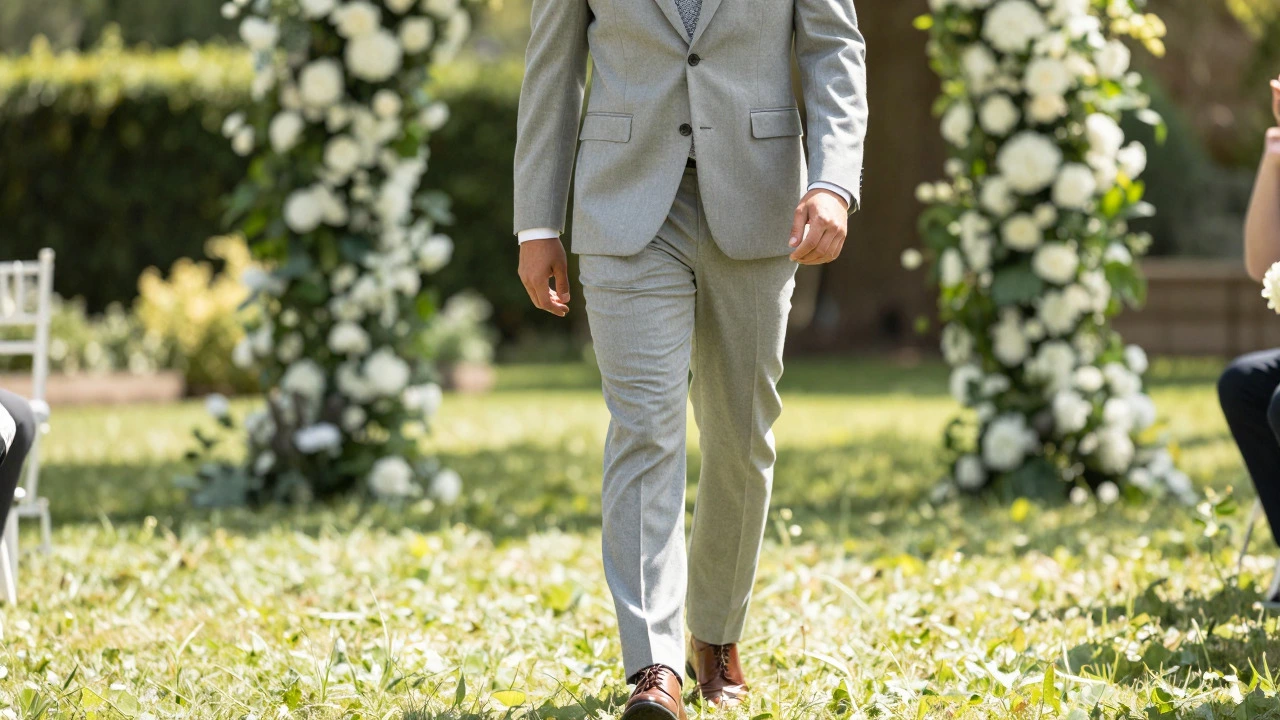
- Semi-Formal is business casual elevated for events, requiring a full suit (matching jacket and trousers), a collared shirt, and leather shoes. This is the default for daytime weddings in spring or summer.
- Formal is evening wear consisting of a dark suit (navy, charcoal, or black), a white dress shirt, and a conservative tie. Often used for evening ceremonies at hotels or banquet halls.
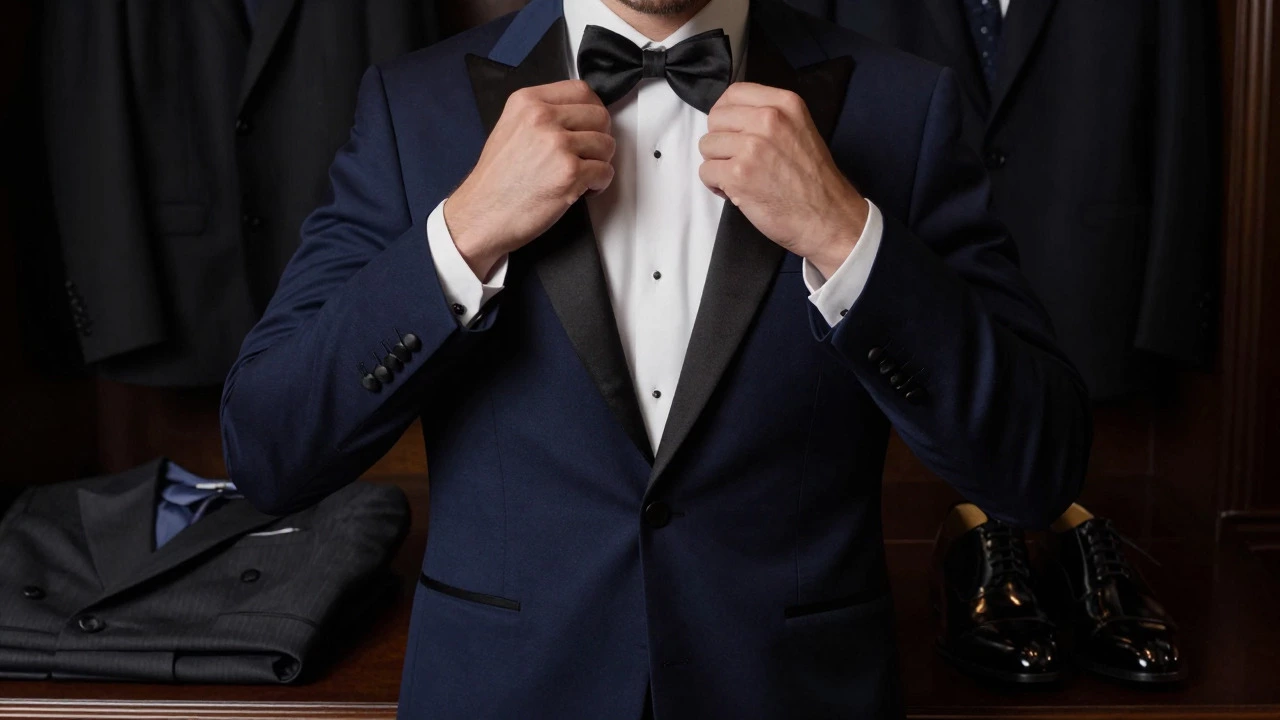
- Black Tie is the highest standard of men's formal wear, mandating a tuxedo with satin lapels, a bow tie, and patent leather shoes. Reserved for gala-style weddings or high-end venues.
If the invitation says nothing, check the time and place. Daytime + Garden = Semi-Formal. Evening + Ballroom = Black Tie. When in doubt, err on the side of slightly more formal. It’s easier to loosen a tie than to borrow a blazer.
Choosing the Right Suit or Tuxedo
Your main garment sets the tone. For most weddings, a two-piece suit is your best friend. If you’re going for Black Tie, you need a tuxedo, not just a black suit. Here’s how to tell them apart and what to prioritize.
| Garment Type | Best For | Key Features | Common Mistakes |
|---|---|---|---|
| Two-Piece Suit | Semi-Formal & Formal | Matching jacket/trousers, matte fabric | Wearing a three-piece when only two is expected |
| Tuxedo | Black Tie | Satin shawl/notch lapels, cummerbund/waistcoat | Mixing suit pants with tux jacket |
| Three-Piece Suit | Traditional/Formal | Adds a vest/waistcoat for layering | Vest too short, exposing shirt buttons |
Color matters less than fit. A well-fitted navy suit looks better than an ill-fitting black one. Navy is versatile-it works for day and night, and it photographs beautifully against most backgrounds. Charcoal is a close second. Avoid brown suits for evening events; they read as too casual. For tuxedos, stick to midnight blue or black. Midnight blue has a subtle depth that flat black lacks in photos.
Fabric, Fit, and Seasonal Considerations
You’re standing around for hours, potentially dancing, maybe sweating. Fabric choice impacts your comfort and how you look in photos.
- Summer/Spring: Opt for lightweight wool blends, tropical wool, or linen-cotton mixes. These breathe better and resist wrinkles. Pure linen can be too wrinkly for formal shots, so blend it.
- Autumn/Winter: Heavier wools, flannel, or tweed work well. They provide warmth and structure. Flannel has a soft sheen that adds sophistication without being shiny.
- Fit: The jacket should hit mid-bicep. Sleeves should show 1/4 inch of shirt cuff. Trousers should have a slight break (touching the shoe) or no break (clean line). No bunching at the ankles.
Always get tailored. Off-the-rack suits rarely fit perfectly. A tailor can take in the waist, shorten sleeves, and adjust trouser length for $50-$100. This small investment makes a $300 suit look like a $1,000 custom piece.
Shirts, Ties, and Accessories
Your shirt is the canvas. Always choose a crisp, white cotton poplin or twill shirt for formal events. Light blue is acceptable for semi-formal daytime weddings. Avoid patterns unless they’re extremely subtle micro-checks. Collar size is critical-when you fasten the top button, there should be room for one finger between your neck and the collar.
Ties follow the formality rule. For Black Tie, you must wear a bow tie (black silk). For Formal, a long tie in silk is standard. Keep patterns simple: solid colors, small dots, or subtle stripes. Avoid loud prints, novelty shapes, or overly bright colors that distract from the bride.
Accessories should whisper, not shout.
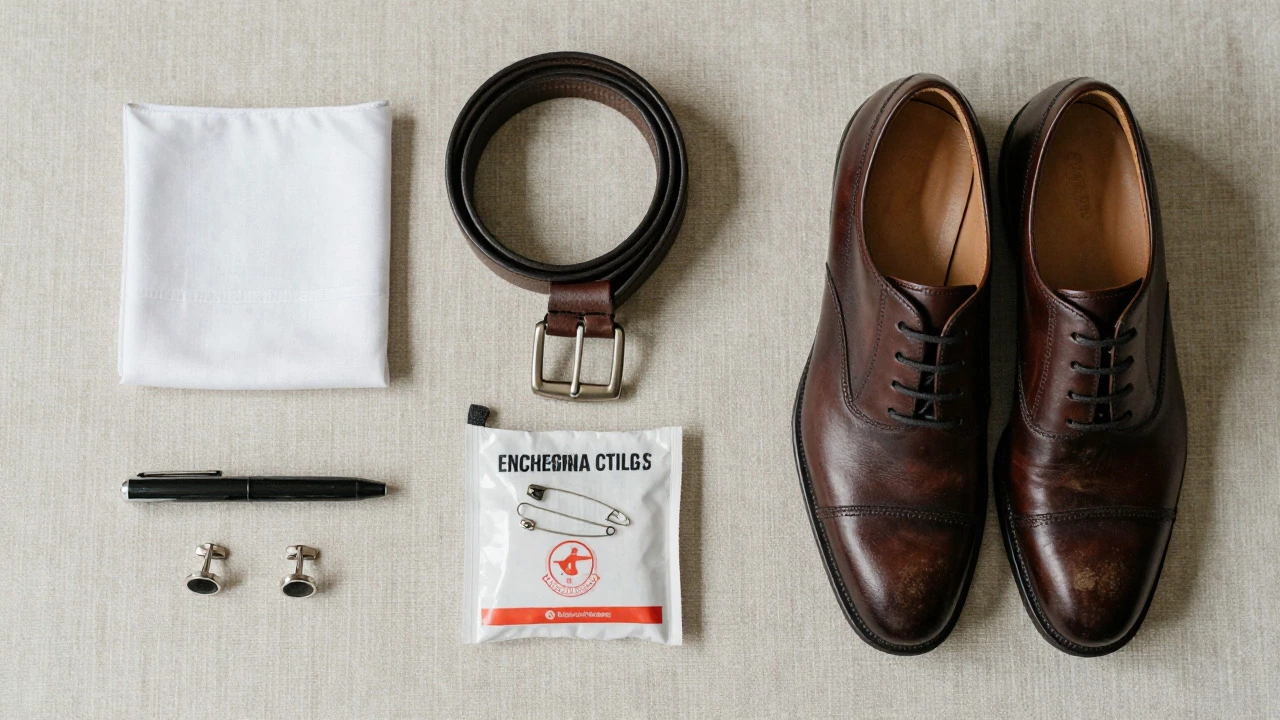
- Pocket Square: White linen is safe for all occasions. For semi-formal, a colored pocket square matching your tie’s accent color adds flair.
- Belt vs. Suspenders: With a suit, use a belt that matches your shoes. With a tuxedo, use suspenders and a cummerbund (no belt).
- Cufflinks: Silver or gold tones. Keep them simple. No logos, no cartoon characters.
Shoes and Final Touches
Your shoes are visible in every photo. For suits, wear Oxford or Derby shoes in black or dark brown. Match the metal hardware on your watch/belt to your ring. Black shoes go with black belts; brown shoes with brown belts.
For tuxedos, patent leather Oxfords are traditional. If you prefer matte, ensure they are polished to a mirror shine. Socks should be knee-high and dark-colored to prevent skin flashes when you sit down.
Don’t forget grooming. Fresh haircut 1-2 weeks before, trimmed beard, and moisturized skin. Shiny skin reflects light poorly in photos. Matte finish is key.
Coordinating with the Bride and Venue
Your outfit doesn’t exist in a vacuum. Check the venue’s lighting. Bright indoor lighting washes out pale colors; dim candlelight makes dark colors disappear. If the bride wears a bold red dress, a neutral grey or navy suit complements it without competing. If she wears a pastel gown, a darker suit provides contrast.
Ask the bride for her preference. Some brides want the groom to match the groomsmen strictly; others want him to stand out slightly. Clarify this early. Also, consider the season’s palette. Earth tones work well in autumn; cool blues and greys dominate winter; whites and pastels feel fresh in spring.
Common Pitfalls to Avoid
- Wearing a new suit unwashed: New clothes have stiffeners and odors. Wear it once or dry clean it before the big day.
- Over-accessorizing: One watch, one ring, one bracelet max. More looks cluttered.
- Ignoring the hem: Long jackets make legs look shorter. Short jackets make torso look elongated. Aim for balance.
- Wrong shoe polish: Scuffed shoes ruin an otherwise perfect look. Polish them the night before.
Finally, pack a emergency kit: safety pins, stain remover pen, extra socks, and a comb. Small fixes save big moments.
Can I wear a blazer instead of a full suit?
Only for Casual or very relaxed Semi-Formal weddings. Pair a blazer with chinos or dress trousers, but avoid matching suit trousers if the event leans formal. A blazer signals a more relaxed vibe, so confirm the venue’s atmosphere first.
What color tie should I wear with a navy suit?
Silver, burgundy, forest green, or patterned ties with navy accents work well. Avoid black ties with navy suits, as they can look muddy. Stick to rich, saturated colors that contrast cleanly with the blue fabric.
Do I need a tuxedo for a black tie wedding?
Yes. Black Tie specifically requires a tuxedo with satin lapels, a bow tie, and patent leather shoes. Wearing a regular black suit is technically incorrect and may look out of place compared to other guests who followed the code.
How do I handle sweat during the ceremony?
Choose breathable fabrics like cotton or wool blends. Apply antiperspirant the night before. Keep a handkerchief in your breast pocket for discreet wiping. Avoid synthetic polyester linings that trap heat. Stay hydrated but limit caffeine, which increases perspiration.
Is it okay to wear a colored suit for a daytime wedding?
Yes, especially for Spring and Summer. Light grey, tan, or even muted blue suits are appropriate for daytime Semi-Formal events. Just ensure the shade isn’t too light to withstand potential stains or dirt from outdoor activities.