Flowers That Clash: What Not to Mix in Your Wedding Bouquets
 Apr, 12 2026
Wedding Bouquet Harmony Checker
Select two flowers you're considering for your bouquet to see if they harmonize or clash based on professional floral design rules.
Quick Guide: The Biggest Floral No-Nos
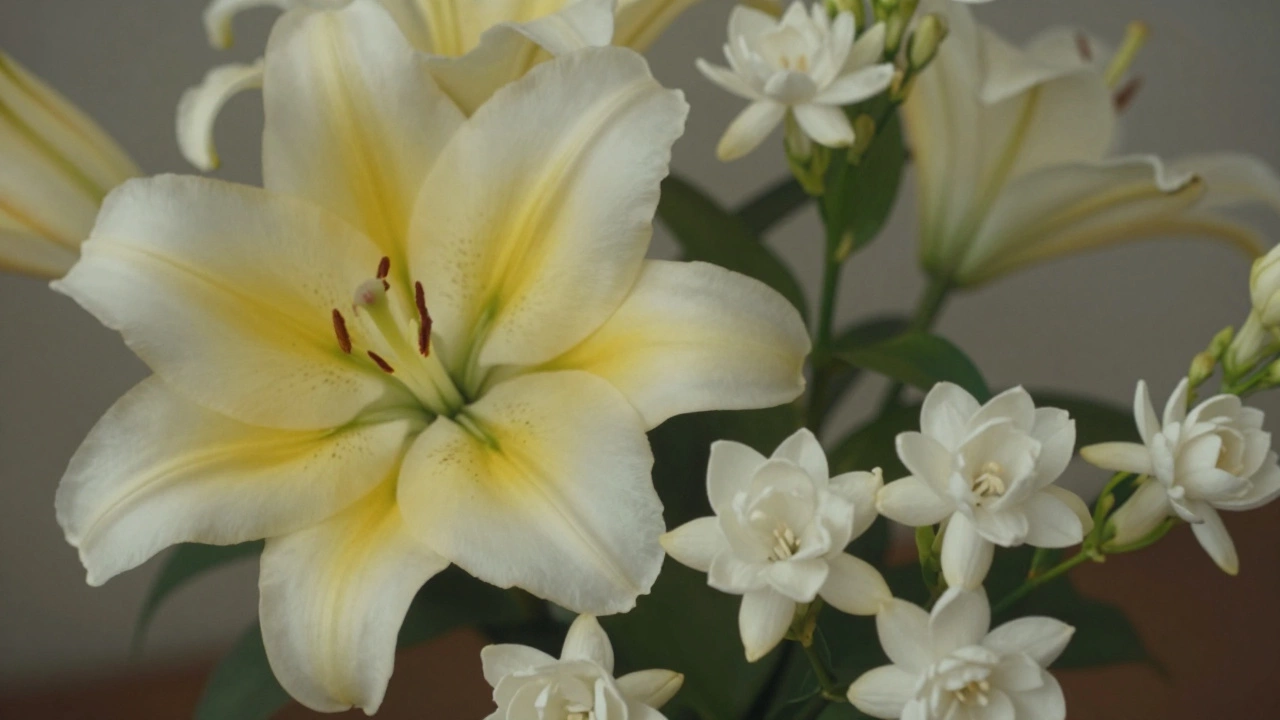
- Fragrance Overload: Mixing heavy scents like Lilies and Tuberoses can cause headaches for the bride and guests.
- Texture Clashes: Pairing ultra-delicate Sweet Peas with chunky, rustic Thistles often looks disjointed.
- Vase Life Mismatches: Some flowers drink more water or release ethylene gas that kills their neighbors.
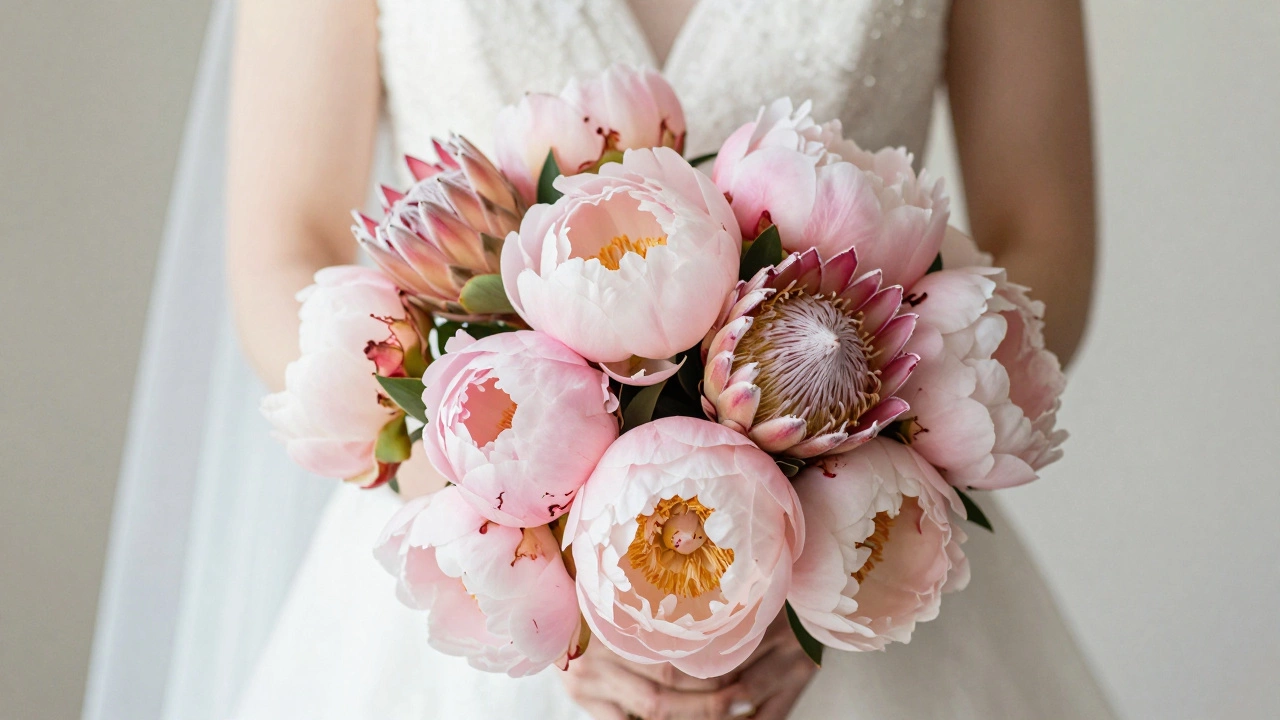
- Visual Competition: Two "hero" flowers (like Peonies and Proteas) often fight for the spotlight.
The Battle of the "Hero" Flowers
In every arrangement, you need a focal point. In the industry, we call these "hero" flowers. These are the big, bold blooms that draw the eye first. The mistake most couples make is trying to mix two different types of hero flowers in the same bunch. For example, if you pair Peonies (known for their lush, rounded petals) with Proteas (which have a sharp, architectural, and almost prehistoric look), they clash visually. The Peony wants to look soft and romantic, while the Protea wants to look bold and edgy. When you put them together, neither wins. The eye doesn't know where to land, and the arrangement feels chaotic. To fix this, pick one hero flower. If you love the drama of a Protea, pair it with supportive greenery or smaller filler flowers like Waxflower. If you want the romance of the Peony, surround it with delicate Ranunculus or spray roses.Scent Sabotage: When Fragrances Fight
We often forget that flowers are olfactory experiences as well as visual ones. A bouquet sits right under your nose for hours. Mixing two high-fragrance flowers can create a scent that is overwhelming or even nauseating. Consider the Oriental Lily. Its scent is powerful and pervasive. If you mix this with Tuberose or heavy Jasmine, the combined smell becomes a "wall of scent." For a bride walking down a long aisle, this can lead to dizziness or a sudden migraine. Pro tip: If you want a scented bouquet, choose one primary fragrant flower and fill the rest with "quiet" blooms like Hydrangeas or Lisianthus. This allows the star scent to shine without suffocating everyone in the front row.Texture and Scale Disconnects
Texture is what gives a bouquet depth. However, there is a limit to how much contrast you can introduce before the arrangement looks accidental. Mixing ultra-fine, wispy textures with heavy, waxy textures often creates a visual break that feels wrong. Take the Baby's Breath (Gypsophila). While it's a classic, pairing it with very modern, sculptural blooms like Calla Lilies creates a strange tension. Calla Lilies are sleek, minimal, and sophisticated. Baby's Breath is cloud-like and traditional. Together, they look like they belong to two different weddings. Instead, match the "vibe" of the texture. Pair Calla Lilies with smooth Eucalyptus leaves for a modern look. Pair Baby's Breath with classic garden roses for a vintage, cottage-core feel.| Flower A | Flower B | The Conflict | Better Alternative |
|---|---|---|---|
| Peony | Protea | Competing Focal Points | Peony + Ranunculus |
| Oriental Lily | Tuberose | Scent Overload | Lily + Hydrangea |
| Calla Lily | Baby's Breath | Texture Clash (Sleek vs. Airy) | Calla Lily + Ruscus |
| Sunflower | Orchid | Vibe Mismatch (Rustic vs. Exotic) | Sunflower + Solidago |
The Biological Clash: Ethylene and Water
Not all flower clashes are visual. Some are chemical. This is where the "invisible" mistakes happen. Some flowers produce a gas called ethylene as they age. Other flowers are hypersensitive to this gas, which causes them to wilt almost instantly. Carnations are notorious ethylene producers. If you pack them tightly against sensitive blooms like Tulips or certain types of Orchids, you might find the Tulips drooping and browning way before the wedding ceremony even starts. Then there's the water issue. Some flowers are "thirsty" and can suck the moisture out of the shared water source in a foam or a tight bunch, leaving the more delicate stems stranded. While this is less common in hand-tied bouquets, it's a major risk for centerpieces. To avoid this, your florist will often use individual water tubes for the most sensitive stems. If you're doing DIY flowers, keep your ethylene-heavy blooms slightly separated from the sensitive ones.Color Theory Traps
We've all heard about complementary colors, but in weddings, the *saturation* of the color is what usually causes the clash. Mixing a "dusty" or muted tone with a "neon" or primary tone often looks cheap. For example, pairing a muted, dusty rose Peony with a bright, saturated primary yellow Sunflower. Both are beautiful, but the saturation levels are completely different. One looks like a painting from the 1800s, and the other looks like a summer festival. The secret is to match the intensity. If you want bright colors, go for brights across the board. If you want pastels and "antique" tones, stick to a muted palette. Mixing a high-contrast neon with a soft pastel usually makes the pastel flower look washed out or "dirty."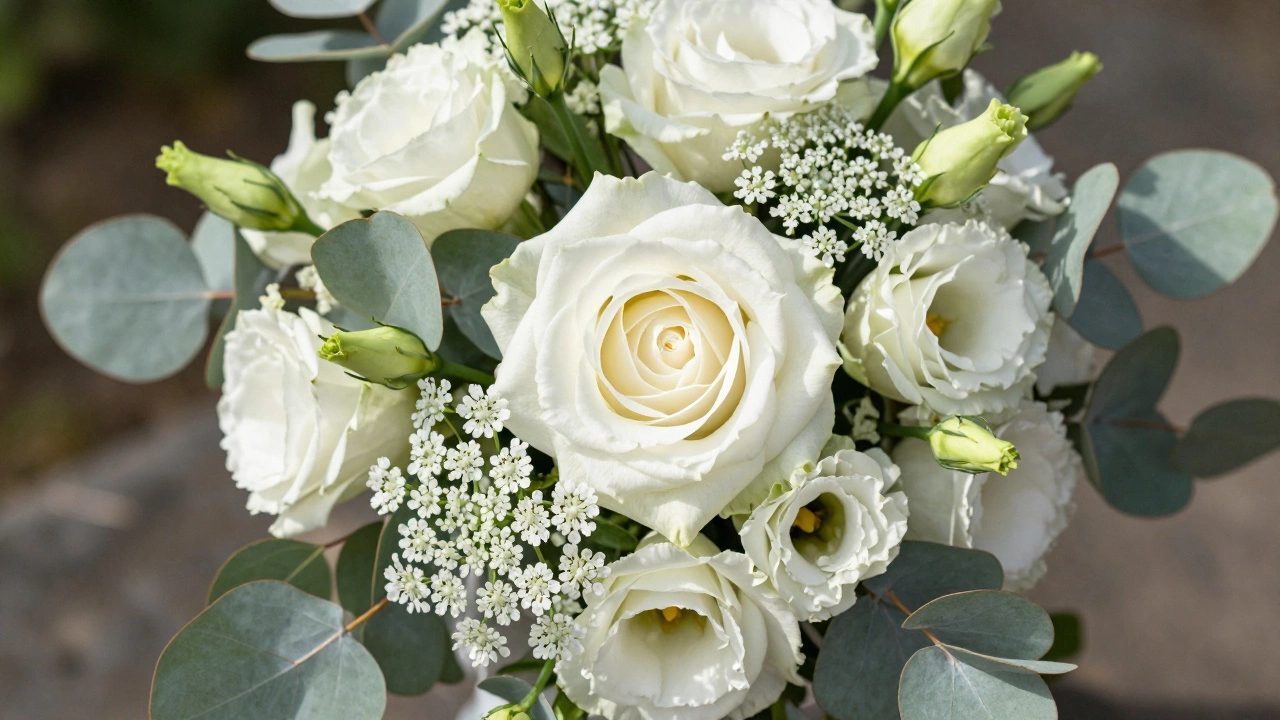
How to Build a Harmonious Bouquet
If you're worried you've picked a clashing combination, use the "Rule of Three." Your bouquet should generally consist of:- The Focal Bloom: One large, eye-catching flower (e.g., Garden Rose).
- The Secondary Flower: A smaller bloom that supports the focal flower in shape or color (e.g., Spray Rose or Lisianthus).
- The Filler and Greenery: Elements that add volume and bridge the gap between the other two (e.g., Eucalyptus, Ferns, or Queen Anne's Lace).
Can I mix different types of roses in one bouquet?
Yes, absolutely. In fact, mixing Garden Roses with Standard Roses or Spray Roses is a professional secret to adding depth. Just make sure the color tones are consistent (e.g., all warm peaches or all cool pinks) to keep the look cohesive.
What happens if I mix flowers with different water needs?
If one flower is much thirstier than the others, it may starve the smaller stems of water, leading to premature wilting. Using a professional florist's floral foam or individual water picks for high-maintenance stems prevents this.
Why do some flowers make others wilt faster?
This is usually due to ethylene gas. Certain flowers, like Carnations or Apples (if used in decor), release ethylene. Sensitive flowers like Tulips react to this gas by dropping their petals or wilting prematurely.
Are there any flowers that simply never look good together?
While "never" is a strong word, pairings like Sunflowers and Orchids usually clash because they represent opposite styles-one is rustic/country and the other is exotic/luxury. It's hard to bridge that gap without the arrangement looking confused.
How do I stop my bouquet from smelling too strong?
Limit yourself to one highly fragrant species. If you choose Lilies, avoid adding Tuberose or heavy Jasmine. Balance the scent with scentless fillers like Hydrangeas or greenery like Salal.