Does a Groom Need a 3-Piece Suit? The Real Answer for 2026
 Jul, 6 2026
Wedding Suit Style Advisor
Tell Us About Your Wedding
Your Recommendation
2-Piece Suit
Jacket + Trousers
3-Piece Suit
Jacket + Waistcoat + Trousers
Why This Recommendation?
Picture this: You’re standing in front of the mirror on your wedding day. The shirt is crisp, the tie is straight, but you’re staring at that extra layer hanging on the door-the waistcoat. Do you actually need it? Or is it just another item adding to the stress and the cost? If you are wondering does a groom need a 3 piece suit, the short answer is no. You don’t *need* it to get married. But you might want it for reasons that have nothing to do with rules and everything to do with how you look and feel.
The Anatomy of the Decision: What Is a 3-Piece Suit Anyway?
To make sense of whether you should wear one, let’s break down what we are talking about. A standard two-piece suit consists of a jacket and trousers. A three-piece suit adds a waistcoat (also known as a vest) to the mix. It sits between your shirt and your jacket, covering your midsection.
Historically, the waistcoat was mandatory. It kept gentlemen warm before central heating and ensured their shirts stayed neat during long ceremonies. Today, it’s a style choice. Some grooms love the sharp, tailored silhouette it creates. Others find it restrictive or unnecessary. Your decision shouldn't be based on tradition alone; it should be based on your specific wedding context.
When a 3-Piece Suit Makes Sense
There are specific scenarios where skipping the waistcoat might leave you looking underdressed or disjointed. Here is when you should seriously consider keeping that third piece.
- Black Tie Optional or Formal Evening Weddings: If your invitation says "Black Tie Optional" or the wedding is after 6 PM in winter, a three-piece suit bridges the gap between business casual and tuxedo. It looks significantly more dressed up than a two-piece.
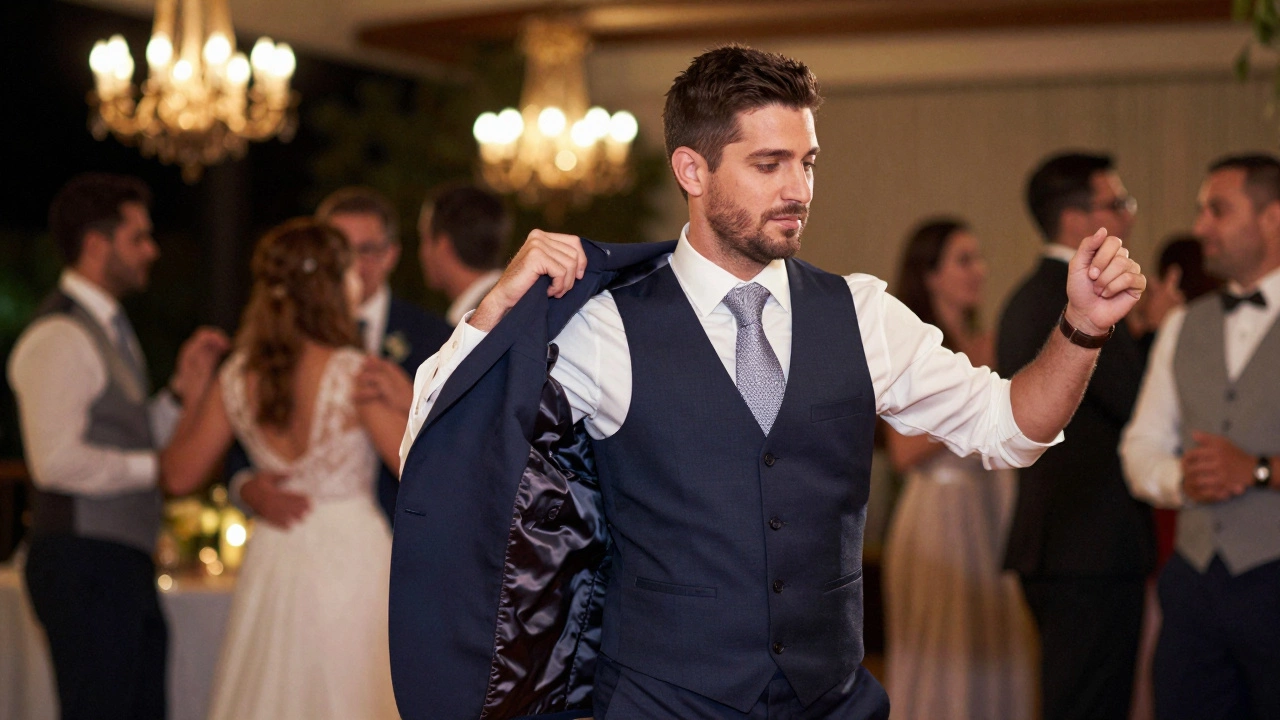
- Summer Heat Management: This sounds counterintuitive, but hear me out. In hot weather, you might plan to take off your jacket during the reception. Without a waistcoat, you’re left in just a shirt and tie, which can look like you’re going to an office meeting rather than a party. With a waistcoat, you can ditch the jacket and still look polished and complete.
- Balancing the Bride’s Look: If your partner is wearing a very detailed, heavy, or highly structured gown, a simple two-piece suit might visually lose the battle. The added layer of a waistcoat gives your outfit more visual weight and presence, ensuring you look like an equal partner in the frame.
- Camouflage and Comfort: Let’s be real. We all have days where our stomachs aren’t behaving, or maybe you’ve had a few too many pre-wedding drinks. A waistcoat hides the midsection effectively. It also keeps your shirt from riding up when you dance, sing, or hug guests tightly.
When You Can Skip the Waistcoat
Not every wedding requires the full uniform. There are plenty of situations where a two-piece suit is not only acceptable but preferred.
- Casual or Beach Weddings: If you’re getting married barefoot on sand, a three-piece wool suit is a recipe for disaster. Stick to linen or cotton two-pieces, or even separate trousers and blazers. The formality of a waistcoat clashes with the relaxed vibe.
- Budget Constraints: Three-piece suits often cost more to rent or buy because there is more fabric and tailoring involved. If you are tight on cash, a well-fitted two-piece suit will always look better than a poorly fitted three-piece one.
- Modern Minimalist Aesthetics: Some couples prefer a clean, streamlined look. A two-piece suit with a pocket square and a nice watch can achieve a sophisticated, modern aesthetic without the extra bulk.
- Physical Comfort Preferences: If you hate feeling constrained around your torso, don’t force it. A waistcoat adds pressure. If you know you’ll be sweating through it or constantly adjusting it, skip it. Confidence comes from comfort.
Comparing the Options: 2-Piece vs. 3-Piece
To help you decide, let’s look at the practical differences side-by-side. This isn't just about style; it's about functionality and logistics on your big day.
| Feature | 2-Piece Suit | 3-Piece Suit |
|---|---|---|
| Formality Level | Medium to High | High to Very High |
| Flexibility (Jacket Off) | Low (looks casual/incomplete) | High (still looks formal) |
| Cost | Lower | Moderate to Higher |
| Comfort in Heat | Better (less layers) | Poorer (more insulation) |
| Shirt Coverage | None (belt visible if jacket off) | Full (belt hidden, shirt tucked) |
| Best For | Daytime, Casual, Budget-conscious | Evening, Formal, Summer receptions |
Styling Tips: Making Either Choice Work
No matter which path you choose, fit is king. A cheap three-piece suit that fits perfectly will beat an expensive two-piece suit that sags at the shoulders. Here is how to nail the execution.
If You Choose the 3-Piece
Ensure the waistcoat covers your belt line completely. No skin or belt should show between the bottom of the waistcoat and the top of your trousers. When buttoning, leave the bottom button of the waistcoat undone-it allows for movement and breathing. Also, coordinate your accessories. If your waistcoat has a pattern, keep your tie solid. If the waistcoat is plain, you can play with a textured tie or pocket square.
If You Choose the 2-Piece
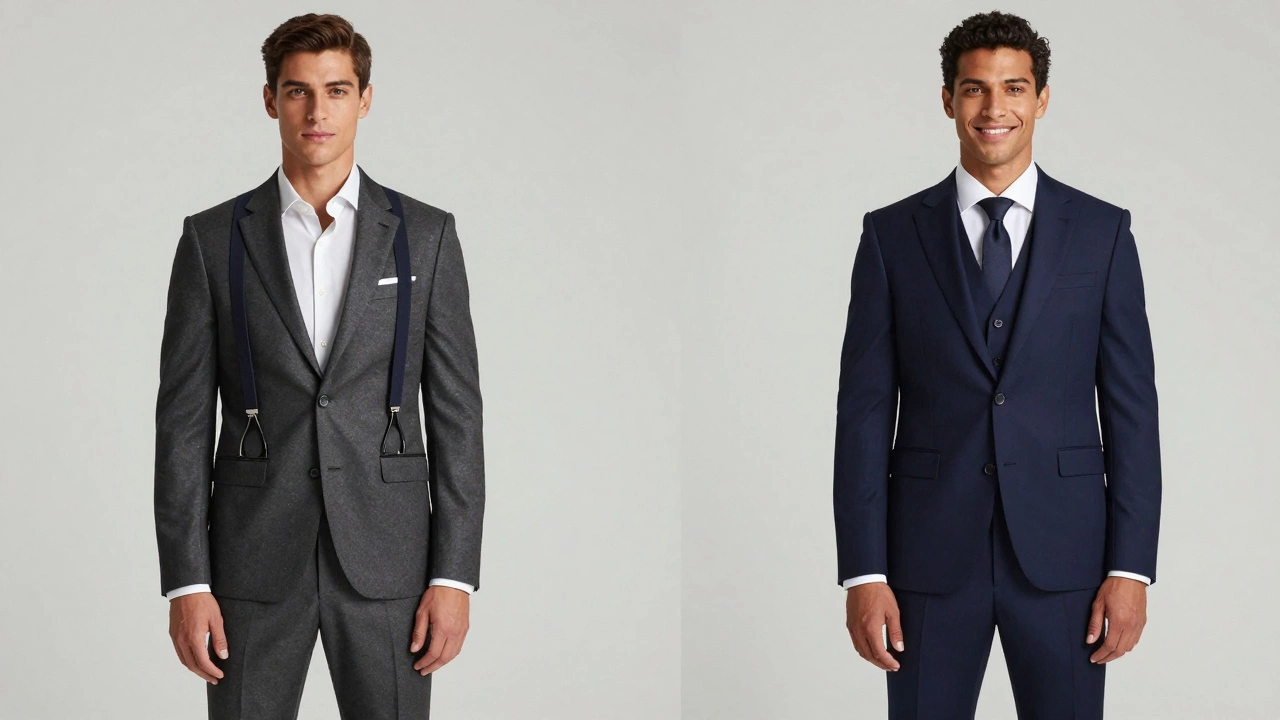
Since you lack the waistcoat to add structure, pay extra attention to your lapels and pocket squares. A crisp white pocket square can add the pop of interest that a waistcoat would normally provide. Consider a suspenders option instead of a belt. Suspenders give a classic, dapper look that mimics the coverage of a waistcoat without the actual garment. Just remember: never wear suspenders with a belt.
The Verdict: Trust Your Gut and Your Context
So, does a groom need a 3-piece suit? No. But do you need to think carefully about why you are choosing one way or the other? Absolutely. Look at your venue, the time of day, the season, and your budget. Ask yourself: Will I be taking my jacket off? Do I want to hide my belt? Does my bride’s dress demand a higher level of formality?
If the answer to those questions is yes, go for the three-piece. If you’re marrying in a garden at noon on a budget, save your money and sweat equity on a sharp two-piece. The best suit is the one that makes you feel confident, comfortable, and ready to celebrate with the person you love.
Can I wear a 3-piece suit to a casual wedding?
It depends on how casual. For a beach or backyard BBQ-style wedding, a 3-piece suit might look overdressed and stiff. However, if you choose a lightweight fabric like linen or cotton in a light color (navy, grey, or tan), it can work for a semi-causal daytime event. Avoid heavy wools and dark colors for casual settings.
Should the groom and groomsmen wear 3-piece suits?
You don’t have to match exactly. A common trend is for the groom to wear a 3-piece suit while the groomsmen wear 2-piece suits in a complementary color or fabric. This distinguishes you as the groom without forcing everyone into the same level of formality or cost. Alternatively, everyone can wear 3-pieces if the budget and formality allow.
Is it okay to wear a tie with a 3-piece suit?
Yes, absolutely. While a bow tie is traditional with tuxedos and very formal wear, a long necktie works perfectly with a 3-piece suit for most weddings. It adds a vertical line that balances the horizontal lines of the waistcoat buttons. Just ensure the knot is tight and centered.
Do I need a belt with a 3-piece suit?
Technically, no. Since the waistcoat covers your belt, some men opt for suspenders (braces) for a cleaner look and better comfort. However, wearing a belt is perfectly acceptable as long as it is slim and matches your shoes. The key is that the belt buckle should not be visible when the waistcoat is buttoned.
Can I wear a 3-piece suit in summer?
Yes, but fabric choice is critical. Avoid wool blends that trap heat. Instead, look for unlined or half-lined jackets and waistcoats made from linen, seersucker, or lightweight cotton. These materials breathe better and keep you cooler. Light colors like beige, light grey, or pastel blue also reflect sunlight better than black or navy.
What if I gain or lose weight before the wedding?
A 3-piece suit can be more forgiving of minor weight fluctuations than a 2-piece. The waistcoat can accommodate slight changes in midsection size, especially if it’s tailored with a bit of ease. However, significant weight changes will affect the fit of the jacket shoulders and trousers, which are harder to alter. Always order early to allow time for final fittings.