Do You Still Wear Your Engagement Ring After Marriage? A Complete Guide
 Mar, 29 2026
Bridal Ring Wear Advisor
Not sure how to stack or style your rings? Answer a few questions to find the best setup.
Quick Assessment
Do you still wear your engagement ring after you get married?
It is a common worry among newlyweds and brides-to-be. You spent months picking out that perfect stone, and now the big day is finally here. Does the story end there? Many women wonder if they should continue wearing their engagement ring once the wedding bandis placed on their finger during the ceremony is secured. The short answer is yes, but the long answer depends entirely on your lifestyle, comfort, and personal preference.
In the past, etiquette books dictated strict rules about how to combine these pieces. Today, those rules have evolved. While tradition suggests stacking them on the left ring finger, modern life demands flexibility. Whether you decide to stack them, solder them together, or occasionally switch to just one ring, there is no wrong way to honor your commitment.
The Traditional Way: Stacking Your Rings
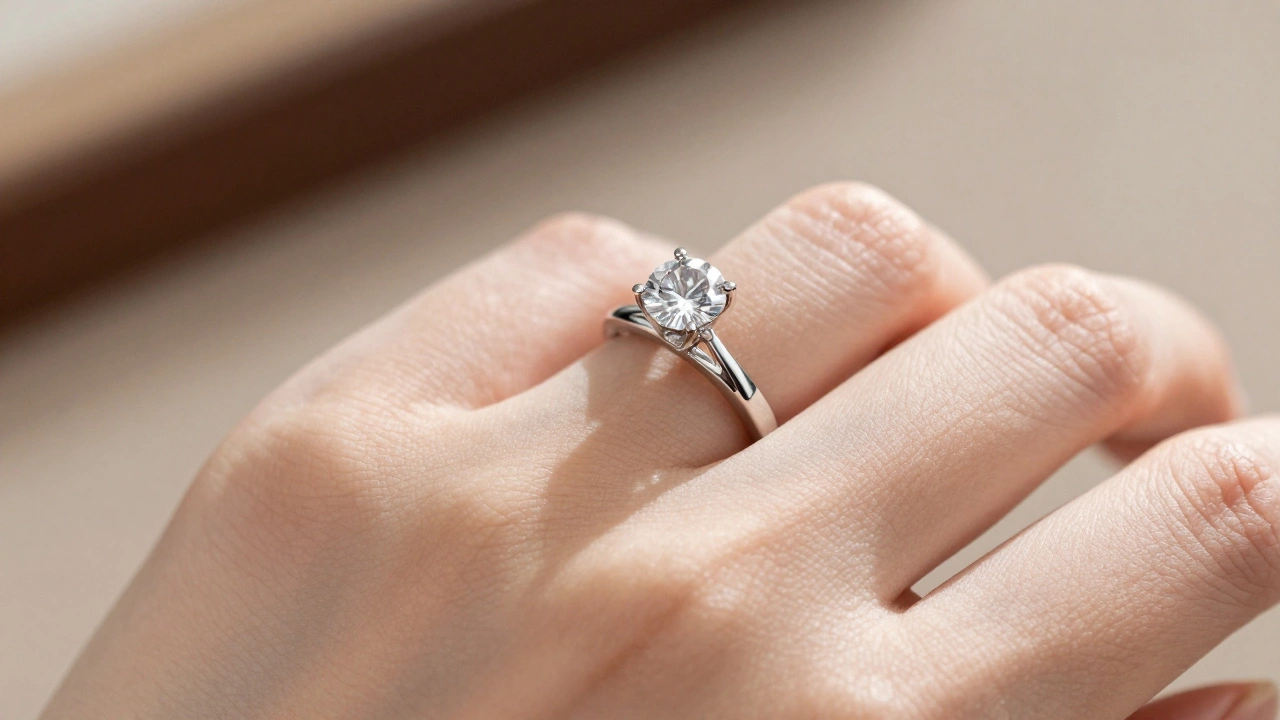
For most people, the default option remains the classic stack. You wear your engagement ringfeatures a center diamond or gemstone typically given at proposal on top of your wedding band. Historically, this placement symbolizes that the wedding band is closer to your heart since it was put on first during the ceremony. However, this order can shift based on comfort. Some brides prefer to flip the engagement ring onto the outside so the diamond catches more light.
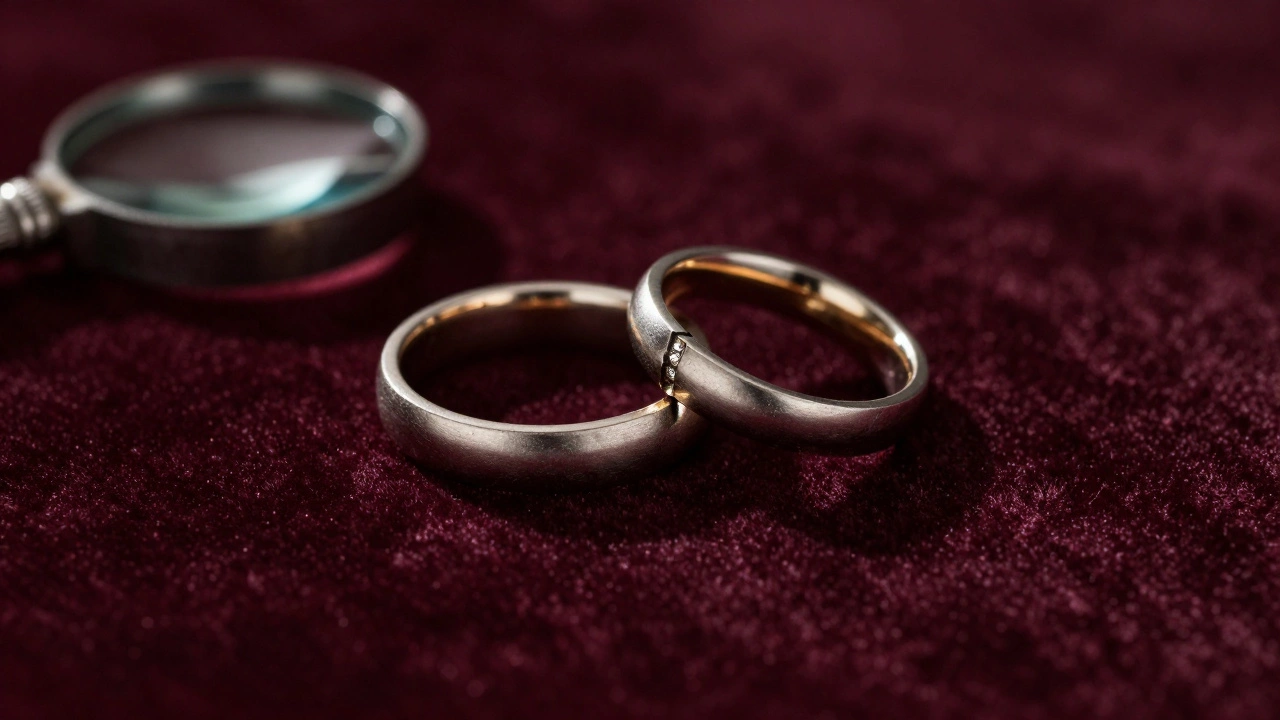
This traditional setup works beautifully when the rings are designed as a set. If you bought a matching set initially, they usually sit flush against each other without gaps. This prevents snagging on sweaters, hair, or fabric. It also protects the prongs of the engagement ring from being knocked by the movement of a heavier wedding band. The downside is that resizing becomes trickier. If you gain weight or lose weight, both rings need adjustment, which adds cost and time to the maintenance process.
When Comfort Wins Over Convention
Not everyone feels comfortable wearing two heavy bands every single day. If you work in healthcare, education, or any job requiring frequent hand washing, the bulk of two rings might be inconvenient. For those who exercise regularly, lifting weights or running can cause knuckles to swell slightly throughout the day. In these cases, the ring stack might feel too tight.
There is also the issue of temperature sensitivity. As you age, joints may change shape. If the combined height of the stack presses against your knuckle, you risk losing the ring. Removing the engagement ring while keeping the wedding band is a popular compromise. It allows you to acknowledge the marriage legally and socially without the extra pressure on the finger. You can even place the engagement ring on a necklace chain for safekeeping during gym sessions or yard work.
Soldering Them Together: A Permanent Fix
If you love the look of the stack but hate the feeling of two separate moving pieces, soldering is a great solution. A jeweler uses a tiny bit of metal to fuse the rings together permanently. This creates a single unit that fits exactly how you want it. The benefit here is significant. With one solid piece, you cannot accidentally twist the rings into different positions when you wash your hands.
| Configuration | Comfort Level | Maintenance | Cost Factor |
|---|---|---|---|
| Stacked Loose | Can rotate/snag | Requires polishing of crevices | No extra cost initially |
| Soldered Together | Smooth, single band feel | Easier cleaning, harder resize | One-time solder fee |
| Wedding Only | Minimal bulk | Least likely to damage prongs | Simpler insurance claim |
However, soldering locks the sizing. If you later decide you want them separate again, it costs money to cut and resolder. This method is best if you are certain you never want to separate the stones from the bands. It essentially turns your bridal jewelry into a custom-made ring rather than two distinct pieces.

Care and Insurance Considerations
Wearing two rings means twice the surface area to clean. Dirt and lotions get trapped between the stones and the metal much faster than with a single band. Regular ultrasonic cleaning at a professional jeweler helps maintain the sparkle. You should inspect the prongs holding the center stone annually. If you wear a thicker wedding band underneath, friction against the engagement ring setting can sometimes loosen the prongs over years.
Insurance is another vital factor. Do not assume your homeowner's policy covers high-value jewelry adequately. You need a scheduled rider specifically listing the engagement ring and the wedding ring. If you lose one, the policy needs to distinguish between the two values. This documentation makes claims much smoother if theft occurs. Without specific appraisal papers, recovering the full value becomes difficult.
Cultural Variations and Alternatives
While many Western countries wear rings on the left hand, other cultures prefer the right. In Germany, Russia, and India, the wedding ring is often traditionally worn on the right hand. If you have heritage ties to these regions, you might move the engagement ring to the left and the wedding band to the right. This keeps both visible but separates the daily wear burden.
Some women opt for a "day-to-day" alternative. They might have a durable platinum or titanium band made specifically for work days, saving the diamond-studded engagement ring for special occasions or evenings out. This preserves the beauty of the expensive ring while protecting it from scratches. Others choose to have the diamonds re-set into a pendant necklace. It is a romantic way to keep the memory close without worrying about ring security.
Daily Lifestyle Scenarios
Consider your specific daily routine before making a decision. If you are a musician, pianist, or drummer, thick rings can interfere with playing. Hair stylists, barbers, and nurses often remove rings to avoid injury to clients or themselves. In construction or manufacturing roles, rings pose a serious safety hazard known as degloving. For these professions, keeping a box at work to store the jewelry safely is non-negotiable.
Even domestic tasks matter. Applying cream or lotion while wearing rings spreads the product under the band, which can create a buildup that irritates the skin. Dishwashing chemicals also tarnish silver and softer gold metals quickly. Knowing these habits helps you decide whether to commit to 24/7 wear or adopt a more selective approach.
Finding the Perfect Fit
If you plan to stack, measure your finger size specifically with both rings on. Jewelers call this the "stack size." Sometimes, even if individual rings fit well alone, the combination sits tighter than expected. Leaving a small gap between the knuckle and the base of the ring ensures you can slip them off easily in case of swelling. Never force a tight ring past your knuckle, as this can lead to breaking the metal or damaging the finger tissue.
Should I wear my engagement ring on top or bottom of the wedding band?
Traditionally, the wedding band goes on first, closest to the heart, meaning the engagement ring sits on top. However, this is purely aesthetic. You can stack them whichever way feels most comfortable or secure on your hand.
Is it okay to only wear the wedding band?
Yes, absolutely. Many women wear only their wedding band for daily activities due to safety or comfort and save the engagement ring for formal events or nights out.
How often should I resize my rings?
You should check the fit every year or two. Weight fluctuations, pregnancy, and natural aging changes affect finger size, especially after significant life events like childbirth.
Does soldering ruin the rings if I change my mind later?
A skilled jeweler can unsolder rings without damage, but it involves cutting the metal and melting it back together, which is labor-intensive and costs money compared to buying new.
Will two rings scratch each other?
Soft metals like gold can scratch the diamonds or prongs over time. Harder metals like tungsten or platinum minimize scratching but can still cause wear on softer materials over decades.