Do Wedding Photographers Give All Photos? The Truth About RAW Files, Culling, and Your Contract
 May, 28 2026
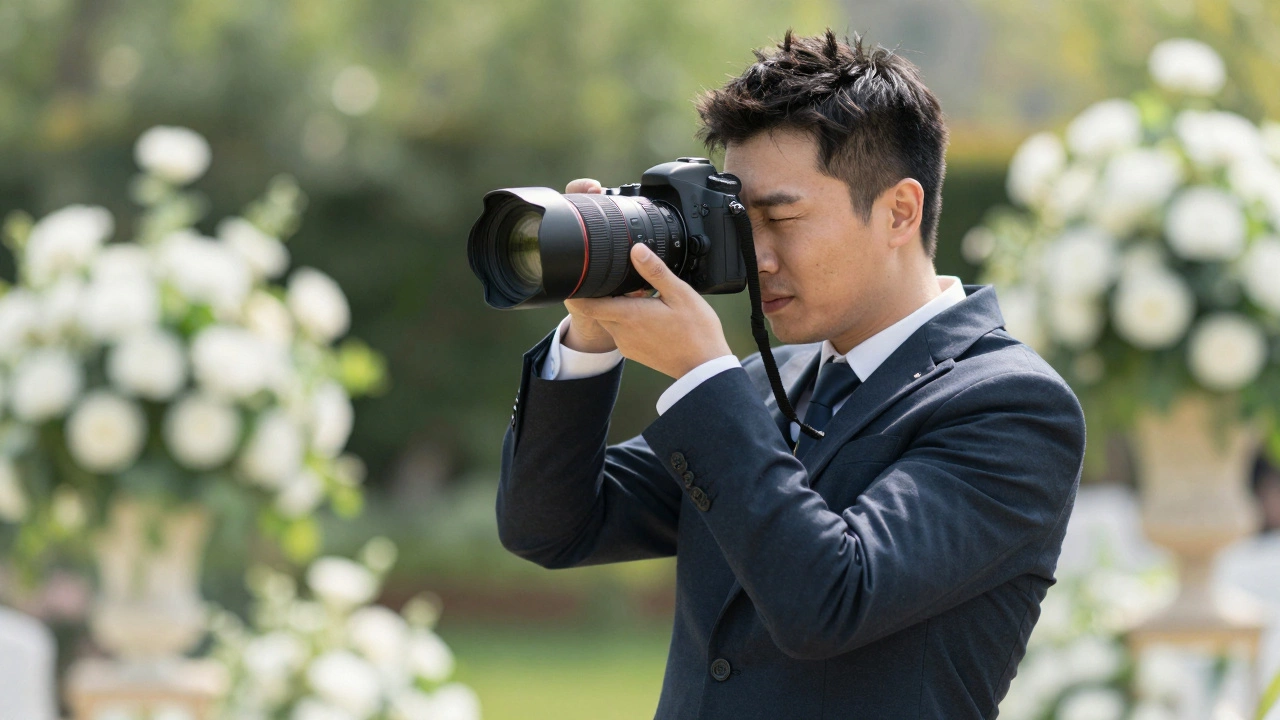
You’ve spent months planning the perfect day. You’ve booked the venue, chosen the dress, and hired a wedding photographer who is a professional visual storyteller capturing key moments of a marriage ceremony and reception. Now comes the big question: do they give you every single photo they took? If you’re expecting a hard drive full of thousands of unedited images, including the blurry ones, the closed eyes, and the awkward double-chins, you might be in for a surprise. The short answer is usually no. But why? And what are you actually paying for?
It’s easy to feel like you’re being held hostage by your vendor when you realize you won’t get every file. After all, you paid for their time on site. However, understanding the workflow behind professional photography changes how you view this policy. It’s not about hoarding; it’s about quality control.
| Feature | Edited JPEGs (Standard) | RAW Files (Unedited) |
|---|---|---|
| Quality | High, color-corrected, sharp | Flat, dull, requires editing software |
| Usability | Ready to print/share | Needs post-processing |
| Quantity | Curated best shots (80-15% of total) | Every shutter click (2000-4000+) |
| Cost | Included in package | Often extra fee or prohibited |
The Art of Culling: Why Less Is More
Imagine taking 5,000 photos during an eight-hour event. That’s not just clicking away; that’s continuous shooting to ensure you catch the exact millisecond the bouquet flies or the first kiss happens. Out of those 5,000 shots, maybe 3,000 are technically good. Of those 3,000, perhaps 800 tell a coherent story without repetition. This process is called culling.
Culling isn’t just deleting bad photos. It’s removing duplicates. If you blink, the photographer takes three shots. One has your eyes open, two have them half-closed. Do you really want both? Probably not. Professional editors remove images with:
- Blurriness due to motion or focus issues
- Closed eyes or awkward facial expressions
- Duplicate poses from the same angle
- Technical errors like lens flare or noise
This ensures the final gallery is cohesive. When you look back at your wedding album in ten years, you want to see joy, not confusion over which version of the cake cutting was the “real” one.
What Are RAW Files Anyway?
You might hear photographers mention “RAW files.” These aren’t ready-to-use pictures. A RAW file is an uncompressed data file containing direct sensor output from a camera, requiring specialized software to view and edit. Think of it as a digital negative. It looks flat, gray, and underwhelming on its own. It contains all the data needed to adjust lighting, color, and contrast later, but it’s not a finished product.
Many couples ask for these files because they think it gives them “more value.” In reality, handing over RAW files can lead to misrepresentation. If someone edits a RAW file poorly-say, making skin tones look orange or backgrounds too dark-it reflects badly on the photographer’s brand. Most contracts explicitly state that RAW files remain the property of the photographer.
However, some vendors offer them for an additional fee. If you’re determined to have them, check your contract early. Don’t assume they’re included unless it says so in writing.
Reading Between the Lines: Your Contract Matters
Your contract is your bible. Before signing, look for sections titled “Image Selection,” “Delivery Format,” or “Usage Rights.” Here’s what to watch for:
- Total Number of Images: Does it promise a minimum number of edited photos? For example, “Minimum 400 high-resolution images.”
- Turnaround Time: How long until you see previews? Full galleries often take 6-12 weeks.
- Usage Rights: Can you print them? Share them on social media? Usually, yes-but verify if there are restrictions on selling the images.
- RAW File Policy: Is it mentioned? If not, ask directly.
If the contract is vague, clarify before booking. Misunderstandings here cause more stress than almost any other part of wedding planning.

When Exceptions Happen
Not all photographers follow the same rules. Some boutique studios might offer “all edited photos” as a premium service. Others, especially those working in documentary styles, may deliver fewer curated images but with higher artistic intent. Always ask during consultations:
- “Will I receive every photo taken?”
- “How many edited images should I expect?”
- “Can I purchase additional prints or downloads later?”
Also consider second shooters. If your main photographer brings an assistant, you might get slightly more coverage angles, but the culling process still applies across both sets of images.
For context, while we discuss global standards in photography services, different regions have unique approaches to independent service providers. For instance, in Kazakhstan, platforms like kizdar net show how localized markets organize verified profiles and transparent pricing structures-a model that emphasizes clarity and user choice, much like what you should seek in your wedding vendor agreements.
Pro Tips for Getting the Most From Your Gallery
Once your photos arrive, don’t just save them and forget them. Here’s how to make the most of your investment:
- Create Backups Immediately: Save copies to cloud storage and an external hard drive. Digital files can disappear overnight.
- Select Favorites Early: Mark your top 50-100 images for albums or wall art within the first week. Emotions fade, and you’ll remember what mattered most then.
- Check for Errors: Look closely at faces, hands, and backgrounds. Report any major issues within the timeframe specified in your contract.
- Share Responsibly: Tag your photographer when posting online. They appreciate the exposure, and it helps future couples find them.

Common Myths Debunked
Let’s clear up some lingering doubts:
Myth: “If I pay more, I get all the photos.”
Reality: Price affects style, experience, and hours-not necessarily quantity. Even luxury photographers curate their work.
Myth: “I can edit the RAW files myself.”
Reality: Without proper training and software (like Adobe Lightroom or Capture One), you’ll likely ruin the image. Stick to the edited versions.
Myth: “They’re hiding the good shots.”
Reality: Photographers want you happy. Their reputation depends on delivering stunning results. Hiding great photos hurts their business.
Final Thoughts on Expectations
Getting all photos sounds appealing until you realize it means sifting through hundreds of unusable frames. What you really want is a polished, emotional narrative of your day. Trust your photographer’s eye. They know which moments resonate and which distract. Focus on enjoying your wedding, not counting shutter clicks.
Do wedding photographers keep some photos secret?
No, ethical photographers don’t withhold good images. They only exclude technically flawed or redundant shots to maintain quality.
Can I buy the RAW files after my wedding?
Some photographers sell RAW files separately, but many refuse due to copyright and quality concerns. Check your contract first.
How many edited photos should I expect?
Typically 80-100 images per hour of coverage. So for an 8-hour day, aim for 600-800 edited photos.
Why do photographers charge extra for prints?
Prints involve physical production costs. Digital files are included, but printing requires paper, ink, and labor.
Is it normal to wait months for photos?
Yes, 6-12 weeks is standard. Peak season weddings may take longer due to high demand.