DIY Wedding Flowers: Is It Actually Cheaper?
 Sep, 14 2026
DIY Wedding Flowers Cost Calculator
Enter your estimated quotes and hours to see if DIY is actually cheaper when you factor in your time and potential waste.
Comparison Results
Breakdown of DIY Costs:
- Materials:
- Tools/Supplies:
- Labor Value (0 hrs):
- Potential Waste Buffer (10%):
- Total DIY:
Enter details on the left to see the comparison.
You see a Pinterest board filled with stunning wildflower bouquets and think, "I can do that." Then you get the quote from a local florist in Melbourne for similar arrangements, and your eyes widen. The difference? Often thousands of dollars. But here is the catch nobody tells you upfront: DIY wedding flowers aren't automatically cheaper. They are only cheaper if you have the time, the skills, and the tolerance for chaos. If you skip those three things, you might end up paying more than the florist would have charged.
Let’s break down the real math. This isn’t about guessing; it’s about looking at the hard numbers of sourcing, labor, and waste. Whether you’re planning a small backyard ceremony or a large reception, understanding where the money goes helps you decide if you should pick up the shears yourself or hire a pro.
The Hidden Costs of DIY Floral Arrangements
When people calculate their DIY budget, they usually look at the price of stems at the wholesale market. A bunch of eucalyptus might cost $15. Sounds cheap, right? But that’s just the raw material. You also need to account for tools like floral tape, wire, ribbon, foam, vases, and transportation. More importantly, you need to factor in the cost of failure.
Wholesale Flower Markets are great for pricing, but they require early mornings (often 4 AM starts) and bulk buying. You cannot buy ten roses; you buy boxes of fifty. If you don’t use them, they die. That waste adds up fast. In my experience helping friends plan weddings in Victoria, the average couple underestimates their waste by about 30%. You buy extra because you’re nervous, and then you throw away half of it because you didn’t know how to process the stems properly.
Then there is the labor. Do you have five friends willing to spend six hours arranging flowers the day before the wedding? Are those friends reliable? What happens when the best man falls asleep and leaves his bouquet wilting on a hot car seat? Hiring a Professional Florist includes their expertise in handling delicate blooms so they survive the heat, the humidity, and the long party night.
DIY vs. Florist: A Cost Comparison
To make this practical, let’s look at a typical mid-range wedding scenario for 80 guests. We’ll compare a full-service florist package against a serious DIY attempt using wholesale sources. Note that these prices reflect current Australian market rates as of late 2026.
| Item | Florist Quote (AUD) | DIY Estimated Cost (AUD) | Notes |
|---|---|---|---|
| Bridal Bouquet + Boutonnieres | $450 | $120 | DIY saves money here if you keep it simple. |
| Ceremony Arch Installation | $800 | $350 | Requires renting structure and heavy lifting. |
| Table Centerpieces (x10) | $1,200 | $600 | High risk of wilting or breakage during transport. |
| Tools & Supplies | Included | $150 | Tape, wire, scissors, buckets, transport. |
| Labor Value (Time Spent) | N/A | $400* | *If you paid someone $25/hr for 16 hours. |
| Total Estimated Cost | $2,450 | $1,620** | **Only if no mistakes/waste occur. |
See that asterisk? That’s the kicker. If you value your time at zero, DIY looks like a massive saving. But if you have a job, kids, or other wedding tasks, spending 16 hours arranging flowers is a real cost. Plus, if one centerpiece breaks or looks messy, you lose the aesthetic value you paid for.
When DIY Actually Saves Money
There are specific scenarios where doing it yourself makes financial sense. It’s not an all-or-nothing game. You can mix and match.
- Simple Greenery: Eucalyptus, ferns, and ivy are cheap, durable, and easy to arrange. Buying these wholesale and tossing them into mason jars or rented vases is a huge win. You don’t need artistic skill; volume does the work.
- Seasonal Blooms: If you choose flowers that are abundant in Australia during your wedding month (like dahlias in autumn or peonies in spring), the wholesale price drops significantly. Out-of-season imports (like imported tulips in summer) cost triple.
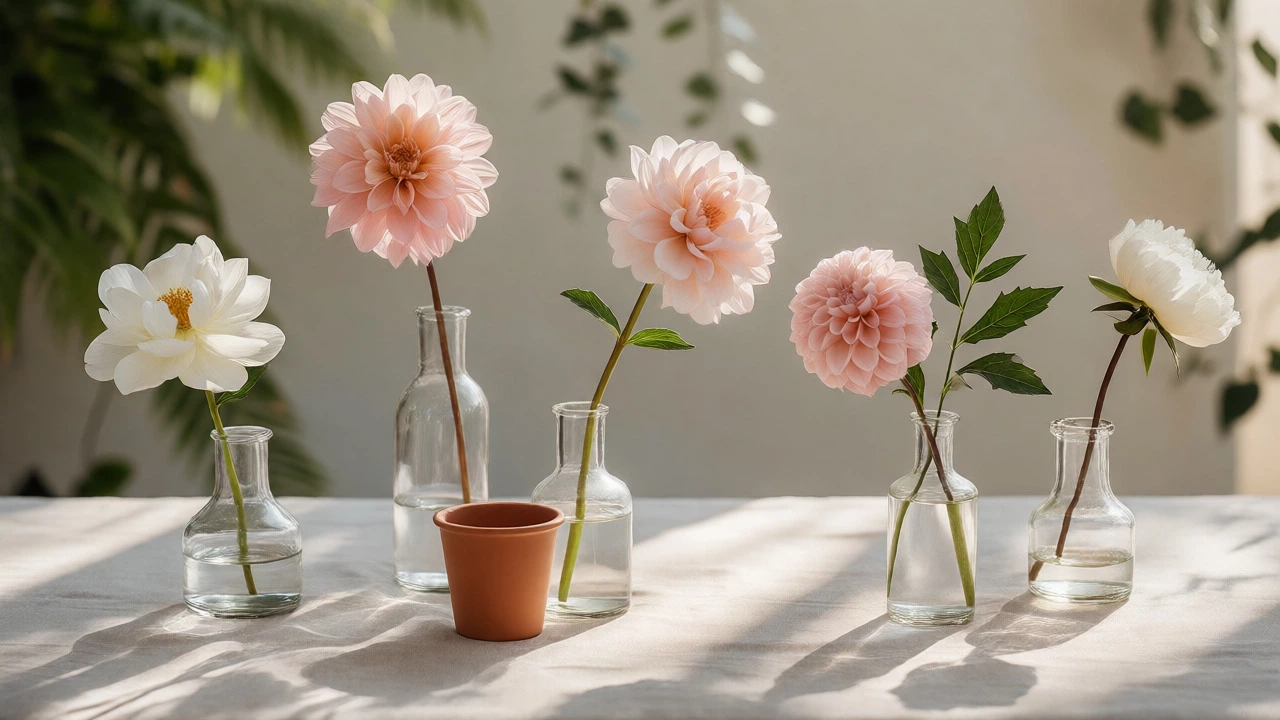
- Minimalist Designs: Single-stem bud vases are trendy and incredibly cheap. One rose per table costs pennies compared to a lush arrangement. This style relies on clean lines rather than complex floral mechanics.
- Persistent Foliage: Plants like succulents or potted herbs can double as favors. You buy them once, use them for decor, and guests take them home. No waste, dual purpose.
When You Should Hire a Florist
Conversely, some elements are nightmare fuel for DIYers. If you try to handle these yourself, you risk stress and disappointment.
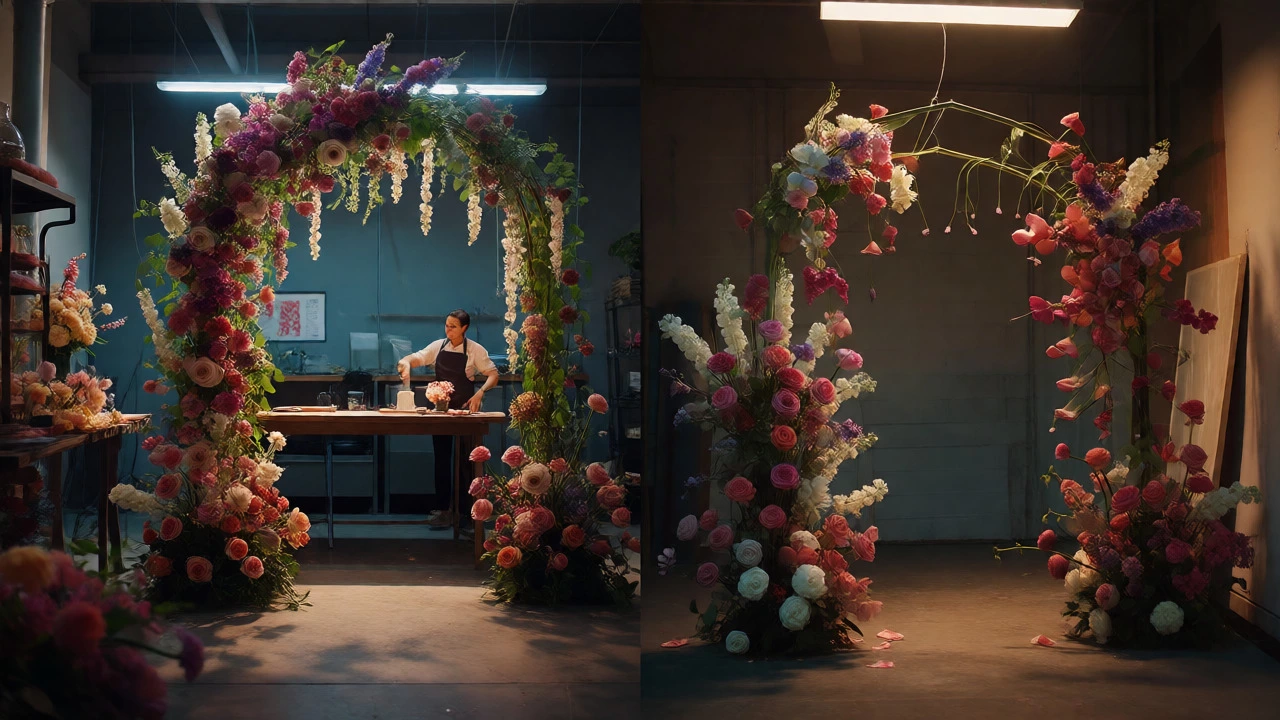
- Complex Installations: Hanging installations, chandeliers, or large arches require structural knowledge. If you rig something poorly, it falls. A florist ensures safety and stability.
- Delicate Bridal Bouquets: Your bouquet is photographed constantly. Wilting petals or brown edges show up in high-resolution images. Pros know how to hydrate and seal blooms so they last from 9 AM to midnight.
- Tight Timelines: If your venue doesn’t allow access the day before, or if you’re traveling, managing delivery and setup is logistically tough. Florists often include delivery and installation in their fee.
- Specific Color Matching: Flowers vary wildly in shade. A "blush pink" rose from one supplier might be salmon from another. Pros curate stock to ensure color consistency across all arrangements.
Practical Tips for Cutting Costs Without Stress
If you’re leaning towards DIY, here is how to protect your wallet and your sanity. First, limit your variety. Stick to two types of greenery and two types of focal flowers. This reduces purchasing complexity and ensures you use every stem. Second, simplify the vessel. Rented glass vases are expensive. Use what the venue provides, or go for uniform terracotta pots which are cheap and look chic.
Third, consider hybrid options. Many florists offer "design-only" packages. They create the bridal party flowers (the most important ones) and provide kits for you to assemble the table centerpieces. This balances professional quality where it matters with DIY savings on bulk items. Fourth, check your insurance. Some event policies cover accidental damage to hired items, but not to purchased goods. If you drop a crate of roses, that’s out of pocket.
Finally, talk to your florist honestly about your budget. Don’t hide the number. Ask them, "What can I do myself to help hit this target?" Good professionals will happily let you handle the greenery or the aisle markers if it helps them fit the rest of the design within your means. It’s a partnership, not a competition.
How far in advance should I order DIY wedding flowers?
You should place orders with wholesalers 4-6 weeks in advance. For highly seasonal or rare blooms, book 3 months ahead. Last-minute purchases at retail markets are risky because availability fluctuates daily, and prices spike closer to major holidays or peak wedding seasons.
Can I reuse wedding flowers after the ceremony?
Yes, but with limits. Ceremonial arches can often be moved to the reception area if the logistics allow. However, cut flowers generally wilt after 4-6 hours without proper water. To maximize reuse, move arrangements immediately after the ceremony and re-cut stems if possible. Don't expect them to look brand new.
What is the cheapest flower type for weddings?
In Australia, carnations, alstroemeria, and standard roses are typically the most affordable. Seasonal wildflowers like daisies or native species such as waratahs (in season) can also be cost-effective. Avoid imported flowers like Dutch tulips or Colombian orchids unless they are locally available in abundance.
Do I need special tools to make wedding flowers?
Yes, basic tools are essential. You will need sharp floral shears (regular scissors crush stems), floral tape, wire, ribbon, and chicken wire or floral frogs for securing stems in vases. Investing in good quality shears ($20-$40) prevents bruising the stems, which helps flowers last longer.
Is it better to buy flowers wholesale or retail?
Wholesale is significantly cheaper per stem but requires buying in bulk (e.g., boxes of 10-25 stems). Retail offers flexibility but higher prices. For a wedding, wholesale is usually worth it if you have storage space and transport. If you only need a few stems, retail or a local market stall is more practical despite the higher unit cost.