Can a Groom Not Wear a Tie? Modern Groom Style Guide for 2025
 Dec, 1 2025
It’s your wedding day. You’ve picked the suit, the shoes, the cufflinks. But now you’re staring at that tie in your hand, wondering: Do I even need to wear it? The answer isn’t yes or no-it’s what kind of wedding are you having? Times have changed. Ties aren’t mandatory anymore. And for many grooms in 2025, skipping the tie isn’t rebellion-it’s refinement.
Why the Tie Is No Longer a Rule
For decades, a groom’s outfit followed strict rules: dark suit, white shirt, silk tie, polished shoes. It was the default. But weddings today are personal. They reflect who you are, not what a 1950s etiquette book said. The rise of casual weddings, destination ceremonies, and minimalist aesthetics has turned the tie from a requirement into an option. Look at real weddings from the last two years. In 2024, over 62% of grooms in urban U.S. cities skipped the tie at their ceremonies, according to a survey by The Knot. That number jumps to 78% for beach, barn, or mountain weddings. Even in traditional venues, grooms are opting for open collars, unbuttoned vests, or just a well-fitted shirt under a tailored blazer. The tie doesn’t add elegance-it adds formality. And sometimes, formality feels stiff. Especially when you’re dancing barefoot on grass or sharing a pizza with your guests after the vows.When Skipping the Tie Works
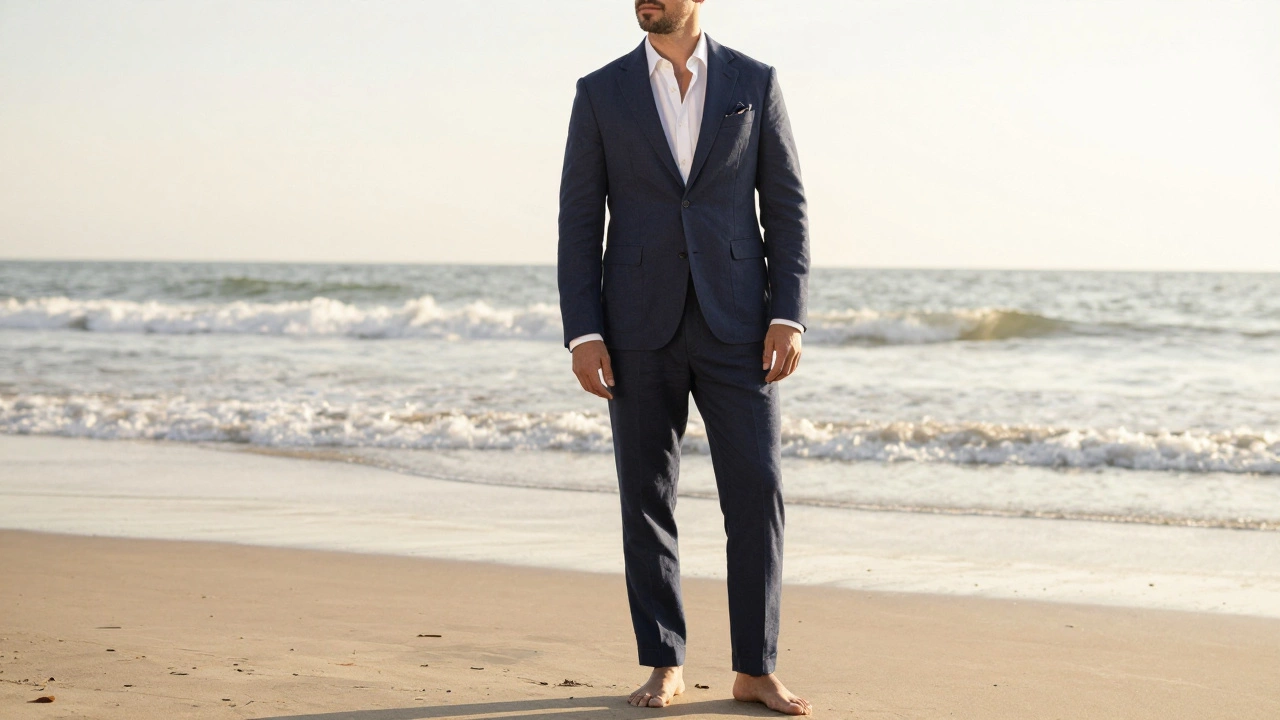
There are clear scenarios where going tie-free looks intentional, not sloppy.- Beach or garden weddings - Light fabrics, linen suits, and open collars breathe with the environment. A tie here feels like an afterthought.
- Modern or minimalist ceremonies - Clean lines, neutral tones, and simple decor pair better with a crisp shirt and no tie. Think: white shirt, charcoal suit, no accessories beyond a pocket square.
- Outdoor or daytime events - Sunlight and heat make ties uncomfortable. Many grooms report feeling more relaxed and natural without one.
- Non-traditional couples - If you’re breaking other norms (same-sex wedding, no bridesmaids, no reception), why stick to the tie?
- Themed weddings - Vintage, boho, or retro themes often call for 1970s-inspired looks: wide collars, no tie, maybe even a vest.
When You Should Still Wear One
There’s no shame in choosing the tie. Some moments demand it.- Black-tie or formal ballroom weddings - If the invitation says “black tie,” wear the tie. It’s not about tradition-it’s about matching the event’s dress code.
- Religious or cultural ceremonies - Some faiths and cultures expect formal attire. A tie may be part of that expectation.
- Corporate or conservative families - If your parents or in-laws are deeply traditional, a tie avoids awkward comments. You can still make it modern-try a slim knit tie or a patterned silk one.
- Evening weddings with tuxedos - A tuxedo without a bow tie or necktie looks incomplete. The tuxedo was designed with it.
How to Look Polished Without a Tie
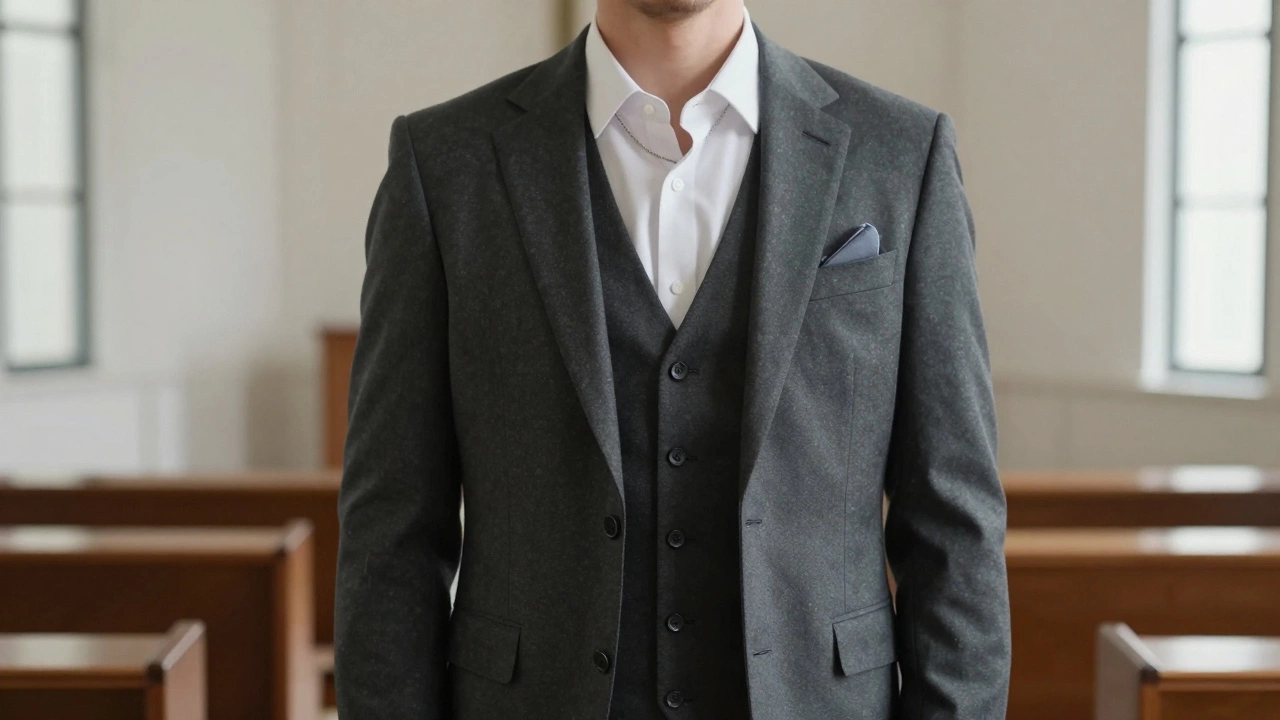
Skipping the tie doesn’t mean looking casual. It means being intentional. Start with the shirt. A spread collar or cutaway collar opens up the neck and looks intentional without a tie. Avoid button-down collars-they’re too casual for weddings unless you’re going for a very relaxed vibe. Make sure your shirt fits. A shirt that’s too tight or too loose ruins the look. The collar should sit comfortably around your neck, and the sleeves should end at your wrist bone. Add texture. A pocket square in a subtle pattern or color adds polish. A silk one in a matching tone to your boutonniere ties it all together visually. Consider the vest. A three-piece suit without a tie can look sharp if the vest is tailored. It creates structure where the tie would’ve been. And don’t forget the shoes. A well-polished pair of oxfords or loafers keeps the whole look grounded. No sneakers. Not even on a beach wedding.What the Experts Say
Wedding stylists in New York, London, and Sydney are seeing a clear shift. “The tie was a symbol of control,” says Marcus Lin, a menswear consultant who’s dressed over 500 grooms since 2020. “Now, grooms want to feel like themselves. If a tie makes you fidget, it’s the wrong choice.” Fashion magazines like GQ and Esquire stopped listing “tie required” as a groom rule in 2023. Instead, they now say: “Your suit should feel like you.” Even traditional tailors are adapting. Savile Row tailors now offer “tie-free styling” consultations. They’ll help you choose the right collar, fabric, and layering to look formal without the neckwear.
Common Mistakes to Avoid
Going tie-free can backfire if you don’t plan ahead.- Wearing a wrinkled shirt - Without a tie to cover the top button, any crease or stain is visible. Iron it. Or better yet, steam it.
- Choosing the wrong collar - A point collar looks awkward without a tie. It looks like you forgot something. Go for spread or cutaway.
- Wearing a vest that’s too short - It should cover your waistband. A vest that ends above your pants looks like you’re wearing a jacket over a shirt.
- Going too casual - No polo shirts. No T-shirts under a blazer. Even without a tie, you’re still in formalwear.
- Forgetting the jacket - A suit jacket is still required. A shirt and pants alone looks like you’re late for brunch.
Real Examples That Worked
In Austin, Jake wore a navy linen suit with a white cotton shirt, no tie, and a navy pocket square. His groomsmen wore the same. The photos look like a summer dream. In Toronto, Leo skipped the tie for his winter wedding but wore a cashmere vest under his charcoal suit. He kept his collar buttoned and added a thin silver chain necklace. No one noticed he was missing a tie-everyone noticed how comfortable he looked. In Bali, a couple had a sunrise ceremony. The groom wore a white linen suit, no shirt, no tie, just a simple pendant. It was cultural, personal, and unforgettable.Final Thought: It’s Your Day
There’s no rulebook written in stone. The tie is a tool, not a requirement. If it makes you feel confident, wear it. If it makes you feel trapped, leave it off. Your wedding isn’t about following old rules. It’s about showing up as yourself. And sometimes, the most powerful thing you can wear is the freedom to choose.Is it okay for a groom to not wear a tie at a formal wedding?
If the wedding invitation specifies "black tie" or "formal attire," then yes, you should wear a tie-or a bow tie if it’s a tuxedo. Skipping it in that context can look disrespectful to the dress code. But if it’s just "semi-formal" or "elegant attire," you have room to choose. Always match the tone of the event.
What should a groom wear instead of a tie?
Nothing. That’s the point. But to look polished, focus on a well-fitted shirt with a spread or cutaway collar, a tailored suit or blazer, and a pocket square. A vest can add structure. Avoid anything too casual like a T-shirt or polo. The goal is clean, intentional, and elevated-not sloppy.
Does skipping the tie make me look unprofessional?
Not at a wedding. Weddings aren’t job interviews. The only people who might question it are those who still think formality equals respect. But most guests today care more about how happy and relaxed you look than whether your neck is wrapped in silk. Your confidence matters more than the tie.
Can I wear a tie with a suit but not a shirt?
No. A tie is designed to go with a collared shirt. Wearing a tie without a shirt looks like a costume. Even in hot weather, wear a lightweight shirt under your suit. If you want to go sleeveless, skip the tie entirely and opt for a vest or a lightweight jacket.
What if my parents insist I wear a tie?
Have a calm conversation. Explain that you want your wedding to reflect your style. Offer a compromise: wear a slim, modern tie in a color that matches your suit, or wear a bow tie instead. If they’re still upset, wear the tie for photos and take it off for the reception. Most parents just want to see you happy-and they’ll see it either way.
Are there any colors or patterns I should avoid without a tie?
Stick to solid or subtle patterns on your shirt. Bold stripes or loud plaids can look messy without a tie to balance them. Solid white, light blue, or pale gray shirts work best. If you want texture, choose a shirt with a subtle weave, like herringbone or pinpoint cotton. Avoid anything that looks like a casual button-down from a department store.
If you’re unsure, try this: wear your suit and shirt, then stand in front of a mirror. Take a deep breath. Do you feel like yourself? Or do you feel like you’re playing a role? That’s your answer.