Average Cost of Wedding Invitations in 2026: Budget Guide
 Aug, 20 2026
Wedding Invitation Cost Estimator
Estimate your 2026 Australian wedding invitation budget in real-time.
Estimated Total Cost
2026 AUDLet’s be honest: you’re already stressed about the venue, the dress, and the guest list. The last thing you need is a surprise bill from your printer. So, how much should you actually set aside for those little pieces of paper that tell everyone to show up? Wedding invitations are the formal notice sent to guests announcing the date, time, and location of the ceremony. In 2026, the average Australian couple spends between $1,500 and $3,000 AUD on this specific line item. But that number swings wildly depending on whether you want something that feels like it came from a luxury boutique or if you’re happy with a clean, modern design printed at home.
Why Prices Vary So Much
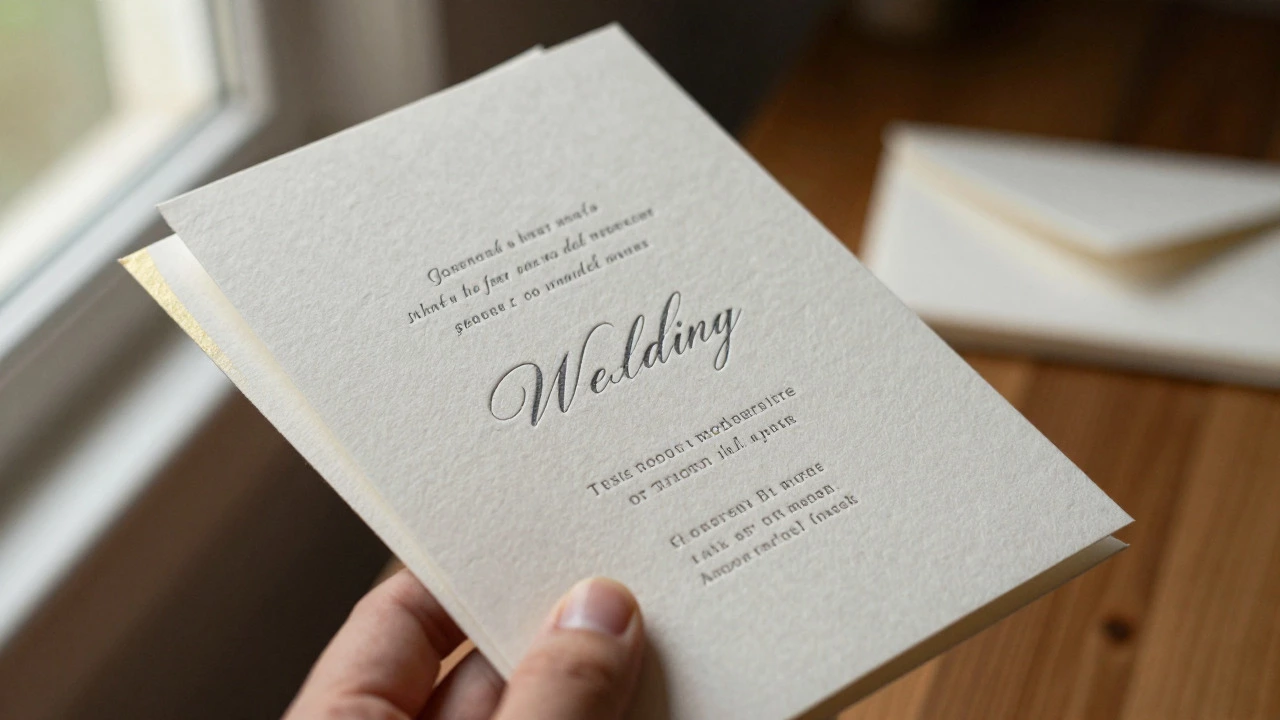
The biggest factor isn’t just the paper; it’s the complexity of the design and the production method. A simple two-piece invite (invitation card + envelope) costs significantly less than a five-piece suite (save the date, main invite, RSVP card, map insert, and thank-you note). If you choose Letterpress, which presses ink into thick cotton paper for a tactile feel, expect to pay a premium. It’s an artisanal process. On the other hand, Digital Printing offers vibrant colors and sharp lines at a fraction of the cost, making it the go-to for most modern couples who want a polished look without breaking the bank.
Don’t forget the envelopes. They seem minor, but they add up fast. You need a standard white lining, plus addressing, plus postage. In Australia, postage rates have crept up over the last few years, so always check the current Australia Post rates before you finalize your budget. A single stamp might cost around $1.20 to $1.50, but if you’re sending international mail or using registered post for peace of mind, that cost triples quickly.
Breaking Down the Costs by Style
To give you a clearer picture, let’s look at three common scenarios for a party of 100 guests. This includes the cards, envelopes, and basic postage, but excludes the labor of addressing them by hand unless noted.
| Style / Method | Avg. Cost Per Set | Total Estimate (AUD) | Best For |
|---|---|---|---|
| Digital Print (Standard Cardstock) | $8 - $12 | $800 - $1,200 | Budget-friendly, colorful designs |
| Semi-Custom (Online Templates) | $15 - $25 | $1,500 - $2,500 | Personalization without designer fees |
| Custom Letterpress | $40 - $70 | $4,000 - $7,000 | Luxury feel, traditional aesthetics |
| Digital/E-Invite Only | $0.50 - $2 (Platform fee) | $50 - $200 | Eco-conscious, small intimate weddings |
Notice the jump between semi-custom and letterpress. That gap exists because letterpress requires physical plates and manual operation. If you love the look of debossed text, it’s worth the investment, but know exactly what you’re buying into. For many Melbourne couples, the sweet spot is high-quality digital printing on textured paper. You get the visual depth without the artisanal price tag.
Hidden Costs That Catch People Off Guard
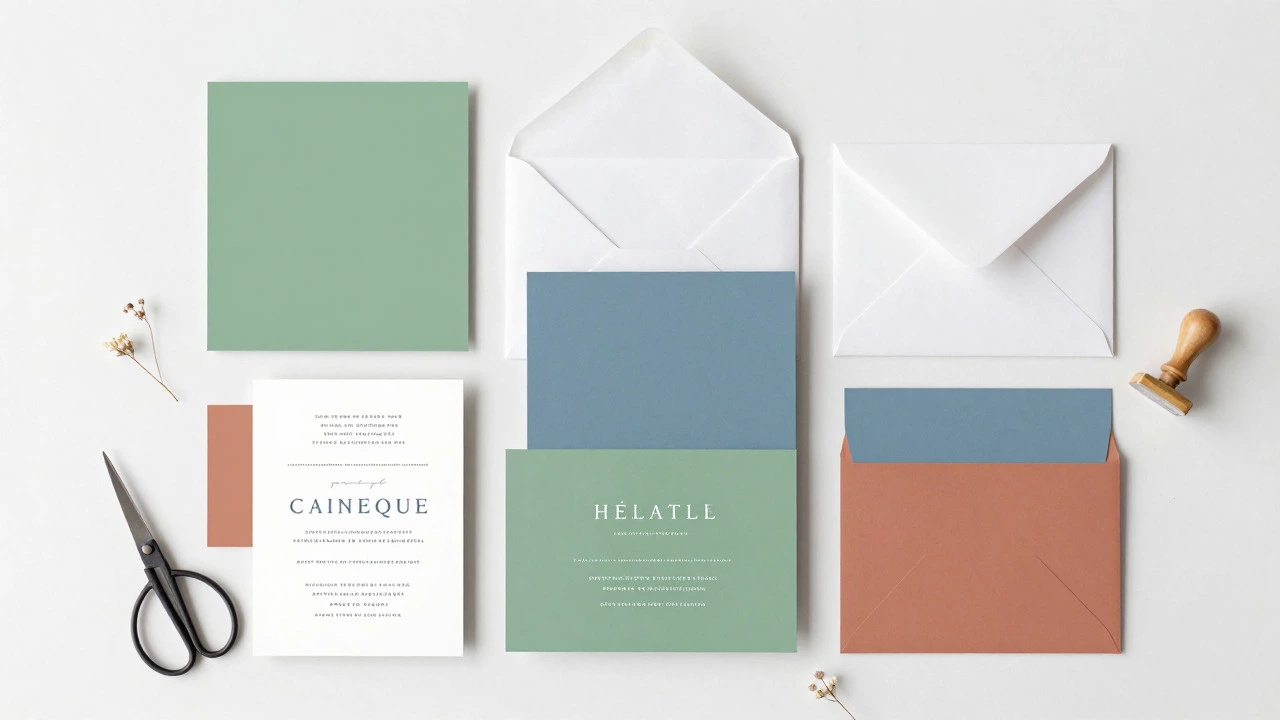
It’s not just the cards. There are several line items that often sneak into the final invoice. First, there’s the RSVP Mechanism. Are you asking people to reply via email, a dedicated wedding website form, or a physical card? If you use physical RSVP cards, you need to buy extra envelopes for return postage, or include pre-stamped return labels. That adds roughly $0.50 to $1.00 per guest.
Second, consider the Wedding Website. While not strictly part of the invitation print job, most modern invites now direct guests to a URL for details. Platforms like The Knot or Zola charge annual fees ranging from $200 to $500. If you don’t budget for this, you might find yourself scrambling for a free alternative that lacks essential features like meal selection or accommodation links.
Third, think about timing. Printing has lead times. If you wait until three months before the wedding to order, you’ll likely incur rush fees. Standard turnaround is usually 2-4 weeks for digital prints and 4-6 weeks for letterpress. Rushing can add 15-20% to your total cost. Plan backwards from your mailing date, which should ideally be 8-10 weeks before the big day.
Digital Invitations: The Game Changer?
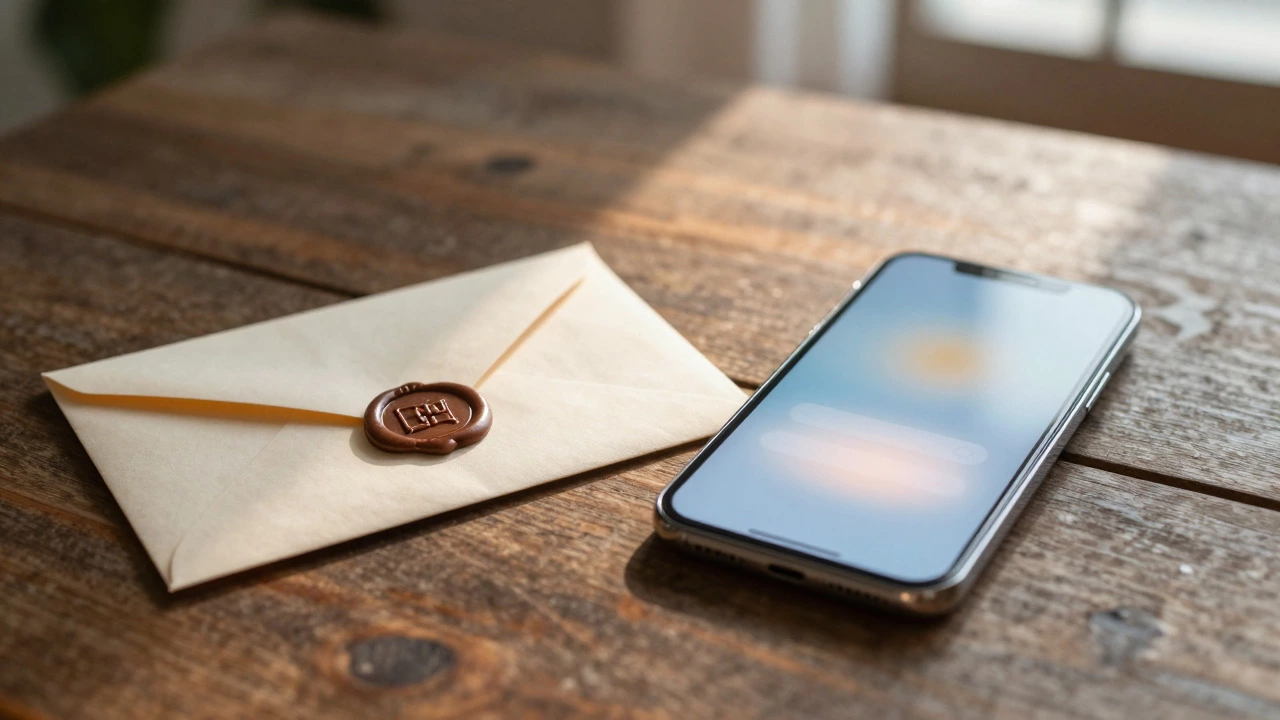
Post-pandemic, e-invites have become mainstream. They aren’t just for casual events anymore; they’re sophisticated tools. Services allow you to create animated graphics, embed video messages, and track opens in real-time. The environmental argument is strong too-saving trees is a nice bonus, but the convenience is the real draw. You can update details instantly if the venue changes. However, don’t assume everyone will check their phone. Older relatives might still prefer a tangible piece of paper in their mailbox. A hybrid approach works well for many: send digital saves-the-dates to close friends and family, and physical invites to the wider guest list.
How to Save Money Without Sacrificing Style
You don’t have to spend thousands to look elegant. Here are some practical ways to trim the fat:
- Reduce the Suite Size: Do you really need a separate enclosure card? Many designers now combine the RSVP info directly onto the back of the invitation or use a minimalist layout that omits the enclosure entirely.
- Choose Standard Paper Sizes: Custom die-cut shapes (like hearts or arches) require special cutting dies, which cost more. Stick to standard rectangular or square formats to keep printing costs down.
- Batch Your Orders: Some printers offer volume discounts. If you’re unsure of your final guest count, order slightly more than you need rather than placing multiple small orders later.
- Address Yourself: Hiring a calligrapher or professional addresser costs $0.50 to $1.50 per envelope. If you have steady hands and good handwriting, do it yourself. It’s a meditative task that can help you relax during planning.
Timing and Logistics Checklist
Getting the logistics right prevents stress and extra charges. Here is a timeline to follow:
- 6 Months Out: Finalize guest list estimate. Choose design and printer.
- 4 Months Out: Order proofs. Check spelling, dates, and addresses carefully. One typo means reprinting.
- 3 Months Out: Approve final proof. Place bulk order.
- 8 Weeks Before Wedding: Mail out invitations. Allow 2 weeks for delivery buffer.
- 6 Weeks Before Wedding: Follow up with non-responders via phone or email.
Remember, the invitation sets the tone. If your wedding is rustic, your font choice and paper texture should reflect that. If it’s black-tie, opt for crisp serif fonts and heavy stock. Consistency matters. Make sure your save-the-dates, invitations, and even your menu cards share the same color palette and typography. This cohesion makes the whole experience feel curated, regardless of the price point.
Is it cheaper to make my own wedding invitations?
Yes, DIY can save 30-50% of the cost. Using a home printer on high-quality cardstock bought in bulk from office supply stores reduces material costs significantly. However, factor in your time. Designing, printing, assembling, and addressing 100 sets can take 10-15 hours. If your hourly value is high, the savings might not be worth the effort.
What is the most expensive part of a wedding invitation suite?
Usually, the paper quality and finishing techniques. Cotton paper for letterpress is expensive, as are gold foiling or embossing. The base card itself is often the largest single cost component in a premium suite, followed by the labor required for manual assembly.
Should I include a map with my wedding invitations?
For local weddings in familiar cities like Melbourne or Sydney, a map is rarely necessary. Most guests can navigate via GPS. However, if your venue is rural, remote, or in a different state/country, including a small directional map insert helps prevent confusion and late arrivals. It adds about $0.50-$1.00 per unit.
How far in advance should I send wedding invitations?
The standard etiquette is 8 to 10 weeks before the wedding. This gives guests enough time to arrange travel and book time off work. For destination weddings, send them 3 to 4 months in advance to allow for passport renewals and flight bookings.
Are digital invitations considered less formal?
Not necessarily. A well-designed digital invitation with clear details and a professional aesthetic is perfectly acceptable for modern weddings. However, for very traditional families or older generations, a physical card is still preferred as a sign of respect and permanence.