Are Most Wedding Cakes 2 or 3 Layers? A Guide to Size, Cost & Structure
 Jul, 2 2026
Wedding Cake Tier Calculator
Recommended Configuration
Walk into any bridal shop in Melbourne, and you’ll likely see the same sight: a towering, multi-tiered masterpiece that looks like it belongs in a castle. It’s beautiful, sure. But here is the hard truth-most of those cakes are not actually stacked slices of sponge. They are often dummy tiers made of styrofoam, with only the bottom layer being real cake. This visual trickery has led to a common confusion among couples planning their big day: how many layers do I actually need?
The short answer is that most modern wedding cakes are structurally 3 tiers, but they don’t always serve as many guests as you might think. The number of layers isn't just about aesthetics; it’s a math problem involving guest count, budget, and physics. If you’re trying to decide between a 2-tier or 3-tier design, you need to look beyond the height and focus on the diameter and the density of the cake.
Decoding the Language: Tiers vs. Layers
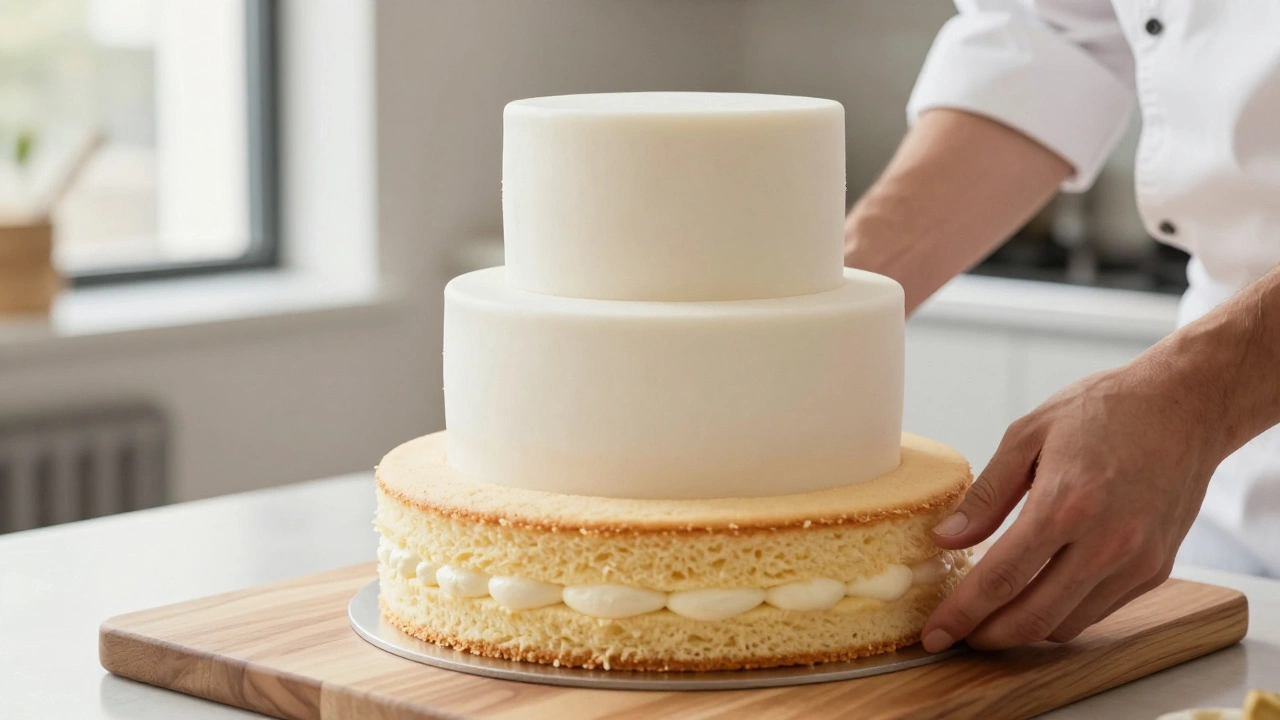
Before you start measuring your venue’s entrance, we need to clear up a major industry term mix-up. In the world of wedding cakes are often described by their visual sections or levels, which bakers call "tiers." However, when you ask for a "layer," you usually mean a single horizontal slice of sponge.
A standard 3-tier wedding cake typically consists of three separate round cakes stacked on top of each other. Each of those rounds is usually made of two or three actual layers of cake separated by filling. So, a 3-tier cake can easily have 6 to 9 physical layers of sponge. When people ask if a cake is 2 or 3 layers, they are almost always referring to the visible tiers.
Why does this distinction matter? Because pricing and structure depend on the tiers, not the internal layers. A baker charges for the construction of each tier-the board, the support pillars, the fondant covering, and the decoration. Understanding this helps you avoid surprise costs later.
The Math Behind the Cake: How Many Guests Fit?
This is the most critical calculation you will make. You cannot choose a 2-tier or 3-tier cake based on looks alone. You must start with your guest list. Catering standards vary, but in Australia, a standard wedding cake serving is typically a 1-inch wide slice, 2 inches high, and 3-4 inches long (the triangular shape).
| Diameter (inches) | Servings (Standard Cut) | Servings (Party Cut) |
|---|---|---|
| 6 inches | 8 - 10 | 15 |
| 8 inches | 18 - 20 | 30 |
| 10 inches | 30 - 35 | 50 |
| 12 inches | 45 - 50 | 75 |
If you have 100 guests, a single 12-inch cake won’t cut it. You need volume. Here is how the numbers stack up for common configurations:
- 2-Tier Cake (e.g., 8" + 10"): Serves approximately 45-55 guests. This is perfect for intimate elopements or small backyard weddings.
- 3-Tier Cake (e.g., 6" + 8" + 10"): Serves approximately 60-70 guests. This is the sweet spot for medium-sized weddings.
- 3-Tier Cake (e.g., 8" + 10" + 12"): Serves approximately 90-110 guests. This is the most common configuration for traditional weddings.
- 4-Tier Cake (e.g., 6" + 8" + 10" + 12"): Serves approximately 120-140 guests. This provides the grand, tall look without needing excessive width.
If your guest count is over 150, you might be looking at a 5-tier cake, or more commonly, a combination of one large display cake and sheet cakes served in the back. This hybrid approach saves money while keeping the photo-op impressive.
Structural Integrity: Why 3 Tiers Are the Standard
You might wonder why bakers push for 3 tiers instead of just making one giant 14-inch cake. The answer is physics. As a cake gets taller, it becomes unstable. Without internal support, a tall cake will slump, slide, or collapse under its own weight, especially in warm weather.
A 3-tier cake allows for strategic support. Bakers insert dowels or wooden/plastic pillars inside each tier to bear the weight of the tiers above. The bottom tier acts as the foundation. By breaking the height into three distinct sections, the baker ensures that the cake remains upright during transport and cutting.
Going beyond 4 or 5 tiers introduces significant risk. Transporting a 5-tier cake from a bakery in South Yarra to a venue in the CBD requires a specialized vehicle and careful handling. The taller the cake, the higher the chance of damage. For this reason, many professional cake makers recommend limiting structural tiers to four unless you have an experienced team.
Budget Considerations: The Cost Per Tier
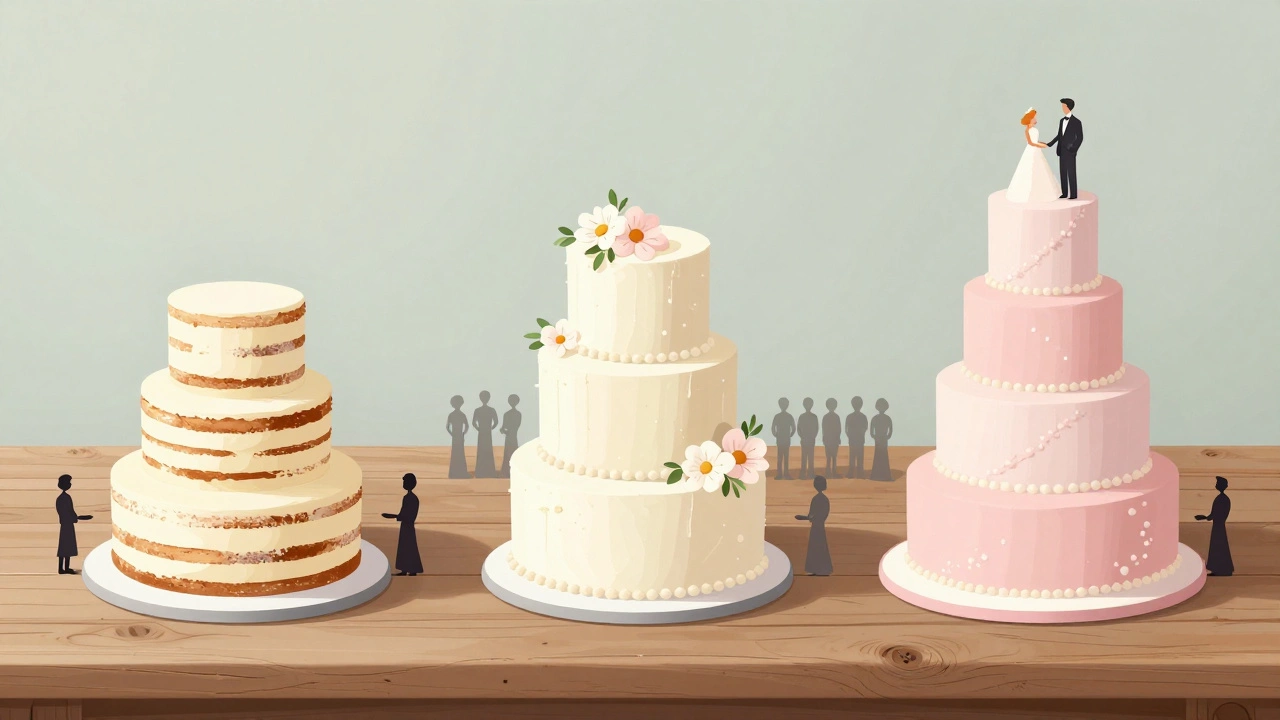
Wedding cakes are priced per serving, but there is often a base fee for the design and complexity. Adding a tier increases the cost not just in ingredients, but in labor. Fondant work, sugar flowers, and intricate piping take time. Each additional tier adds roughly 30-40% to the total price, depending on the design.
Consider this scenario: You need to feed 120 people. Option A: One massive 14-inch cake. It looks flat and lacks drama. Option B: A 3-tier cake (8/10/12). It looks elegant, fits the table nicely, and serves everyone. Option C: A 5-tier cake with dummy tiers. It looks huge but costs significantly more for the decorative work on non-edible parts.
In Melbourne, prices for wedding cakes range widely. A simple buttercream cake might cost $4-$6 per serving, while a complex fondant sculpture can exceed $10 per serving. Choosing a 3-tier structure often offers the best balance of visual impact and cost efficiency. It provides enough surface area for decoration without the exponential cost of a 5-tier monstrosity.
The Dummy Tier Debate: Real Cake vs. Styrofoam
Here is where the "2 or 3 layers" question gets tricky. Many couples want a tall, dramatic cake but don’t want to pay for 200 servings of expensive sponge. The solution? Dummy tiers. These are lightweight polystyrene rounds covered in fondant to look exactly like cake.
Is this cheating? Not really. It’s practical. The bottom tier is almost always real cake because you need to cut it for the toast and serve the immediate family. The upper tiers can be dummies. After the photos, the real cake is sliced and served, while the dummy tiers are taken home as souvenirs (or discarded).
If you choose this route, you still need to plan for the food. Most venues will provide sheet cakes in the kitchen to serve the rest of the guests. This allows you to have a stunning 4 or 5-tier display cake for the ceremony and reception entrance, while keeping your budget in check. Just ensure your baker knows upfront which tiers are real and which are dummies, as the setup process differs.
Design Trends in 2026: Height vs. Width
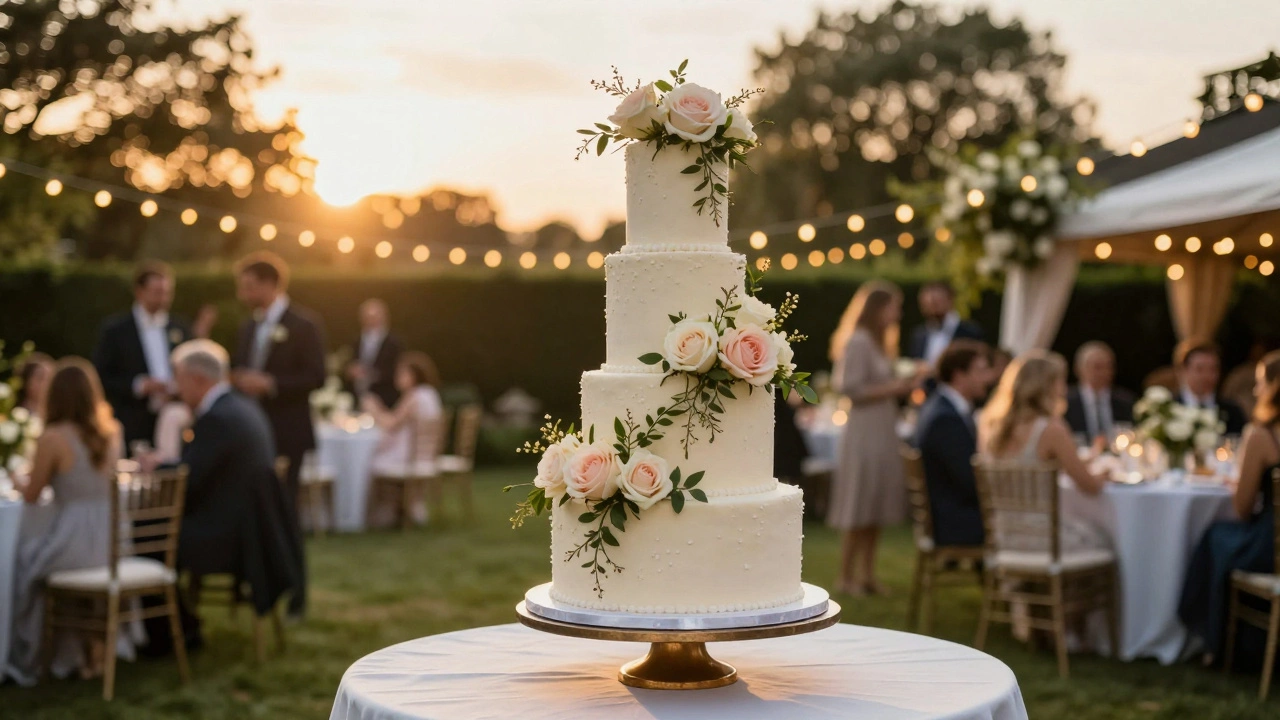
Trends shift, but the preference for verticality remains strong. In recent years, we’ve seen a move away from perfectly symmetrical, rigid stacks toward organic, asymmetrical designs. Naked cakes, semi-naked cakes, and drip cakes often use fewer tiers-usually 2 or 3-to highlight the texture of the frosting and the fillings.
A 2-tier naked cake looks chic and rustic. It feels less formal and more approachable. However, it doesn’t command attention in a large hall. If your venue is spacious with high ceilings, a 2-tier cake might look lost on the table. In that case, a 3-tier cake with a taller profile (using cake boards of different heights) creates better proportion.
Another trend is the "drop" tier, where the bottom tier is significantly larger than the ones above, creating a dramatic silhouette. This works well for 3-tier structures. For example, a 12-inch bottom tier with 8-inch and 6-inch tops creates a balanced pyramid that photographs beautifully.
Logistics: Transport and Venue Constraints
Never underestimate the logistics of getting a cake to your venue. Measure your venue’s doorways, hallways, and elevator dimensions. A 3-tier cake that is 3 feet tall might fit through a standard door, but a 4-tier cake could get stuck. If you’re having an outdoor wedding, consider the heat. Buttercream melts faster than fondant. A tall, thin cake is more susceptible to wind and temperature changes.
Many bakers offer delivery and setup services, which is highly recommended for anything over 2 tiers. They bring their own leveling tools and support systems. If you plan to DIY, practice stacking with dummy cakes first. The weight distribution is crucial. An unevenly loaded cake can tip over during transport, ruining your big moment.
Making the Final Decision
So, are most wedding cakes 2 or 3 layers? Structurally, 3 tiers is the industry standard for a reason. It balances cost, visibility, and stability. It serves the average guest count of 80-120 people effectively. Two tiers are best for small, intimate gatherings where the cake is a dessert accent rather than the centerpiece. Four or more tiers are for large celebrations or dramatic aesthetic statements.
Start with your guest count. Use the serving chart above to determine the minimum size you need. Then, work with your baker to adjust the diameters to achieve the height you desire. Remember, you can always add a dummy top tier for height without adding cost or waste. Prioritize the flavor and quality of the bottom tier-that’s what your guests will taste. The rest is art.
How many people does a 3-tier wedding cake serve?
A standard 3-tier wedding cake with diameters of 6, 8, and 10 inches serves approximately 60-70 guests. If the tiers are larger (8, 10, and 12 inches), it can serve around 90-110 guests. The exact number depends on whether you use a standard catering cut or a smaller party cut.
Is it cheaper to have a 2-tier or 3-tier cake?
A 2-tier cake is generally cheaper because it uses less cake, less fondant, and requires less labor for decoration and assembly. However, if you need to feed more than 50 people, a 2-tier cake may not be sufficient, forcing you to buy additional sheet cakes anyway. In that case, a 3-tier cake might offer better value per serving.
Can I have a tall cake with only 2 tiers?
Yes, you can create a tall appearance with only 2 tiers by using taller cake boards or increasing the height of each individual tier. Some bakers also use "half-tiers" or asymmetrical designs to add height without adding full tiers. However, structural support becomes more critical as height increases.
What is the difference between a tier and a layer?
In wedding cake terminology, a "tier" refers to a complete round cake that sits on a board and supports another cake above it. A "layer" refers to a single horizontal slice of sponge within a tier. A typical tier consists of 2-3 layers of cake separated by filling.
Should I use dummy tiers for my wedding cake?
Dummy tiers are a cost-effective way to achieve a tall, dramatic look without paying for excess cake. They are ideal if you plan to serve sheet cakes separately or if you have a smaller guest count but want a grand display. Ensure your baker covers them professionally so they look indistinguishable from real cake.
How far in advance should I book a wedding cake maker?
It is recommended to book your wedding cake maker 6-12 months in advance, especially during peak wedding seasons. Popular bakers in cities like Melbourne often have waiting lists. Booking early ensures you have a wider choice of dates and styles.
What is the most popular wedding cake size?
The most popular wedding cake size is a 3-tier cake with diameters of 8, 10, and 12 inches. This configuration serves approximately 90-110 guests, which covers the average wedding size. It provides a balanced look and is manageable for transport and setup.